Polynesian Tattoo Motifs in Real Tattoos
See how individual Polynesian motifs actually appear inside finished tattoos — how they are scaled, repeated and placed within larger compositions in real IslandTAT work.
Descriptions here are kept short. For full definitions — names, alternate names, documented origins and compositional use — see the Polynesian motif glossary.
Why There Is No Single Dictionary of Motif Meanings
The descriptions in this library are starting points, not fixed definitions. What a motif says in a finished tattoo depends on several things at once:
- Culture — Samoan, Hawaiian, Tongan, Tahitian, Marquesan and Māori traditions each use shared shapes differently.
- Regional tradition — meanings shift between islands and even between villages within one culture.
- Context — the motifs surrounding a shape change how it is read.
- Composition — scale, repetition and the direction of flow all carry meaning.
- Placement — the same motif reads differently on the chest, the back or the leg.
- Family and personal story — lineage and individual narrative often override any general association.
- Practitioner — the artist or cultural practitioner composing the piece brings their own training and protocols.
For background on how these pieces fit together, see the Polynesian tattoo guide to meaning and how symbolism works in composition.
Explore by Regional Tradition
Motifs belong to living traditions. These guides cover each tradition in its own terms rather than flattening them into one generic style.
All traditions are compared side by side in the regional tattoo traditions hub.
IslandTAT Cultural Interpretation
The meanings, symbols, and motif descriptions presented throughout these guides reflect IslandTAT's modern, research-informed interpretation of Polynesian tattoo art. Polynesian tattooing spans distinct island traditions — including Samoan, Hawaiian, Tongan, Māori, Marquesan, Tahitian, and other Polynesian traditions — and meanings can vary significantly across cultures, regions, and family lineages. Neighbouring Pacific traditions such as CHamoru (Marianas) are Micronesian rather than Polynesian.
Motifs are inherently contextual and story-driven. The same symbol can carry different weight depending on its placement, the motifs surrounding it, and the personal narrative of the wearer. There is no single "correct" meaning for any element — only culturally informed choices made with intention and respect.
IslandTAT does not claim to be a traditional authority on any single Polynesian culture. We honor the tufuga ta tatau and the traditional masters who have preserved these art forms across generations. Our approach is contemporary studio work — informed by deep study, cultural relationships, and practice since 1999 — not a replacement for sacred cultural protocols.
We believe that mana comes from intention and co-creation — from the genuine conversation between artist and client, the respect given to tradition, and the commitment to creating work that carries real cultural and personal significance.
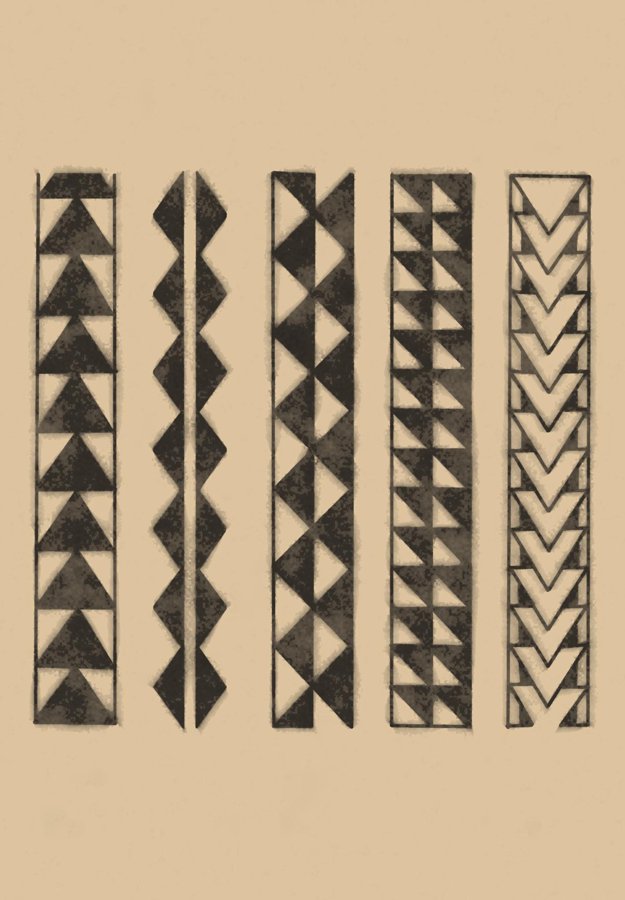
Shark Teeth/ Niho Mano
Borders, bands, sleeve transitions, and larger pattern structures.
Full guide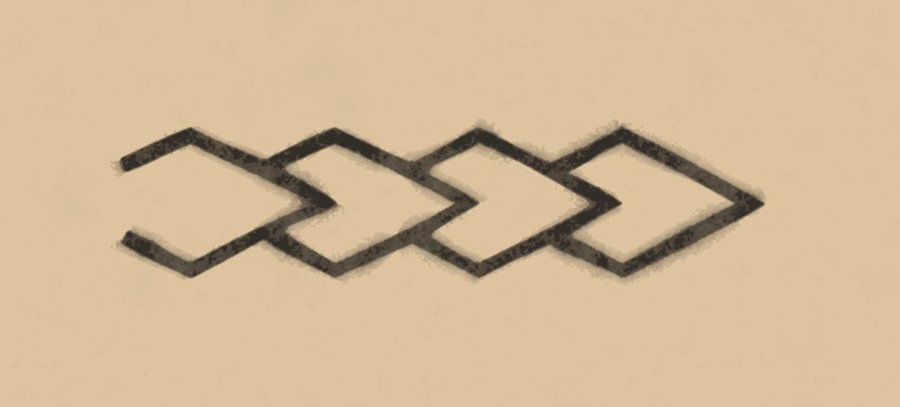
Spearhead
Directional flow patterns across arms and shoulders.
Full guide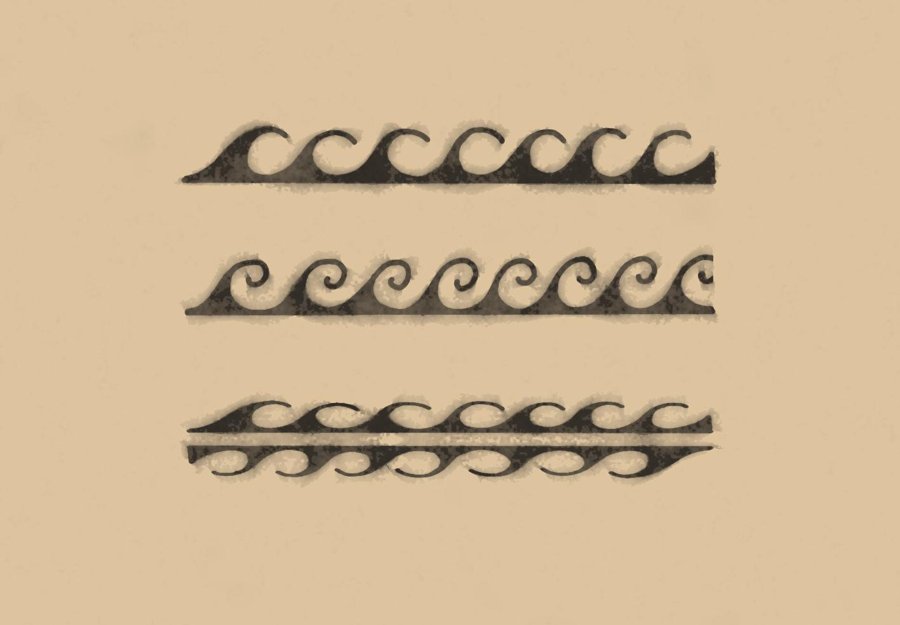
Ocean Waves
Flow patterns across sleeves, leg pieces, and inner arm compositions.
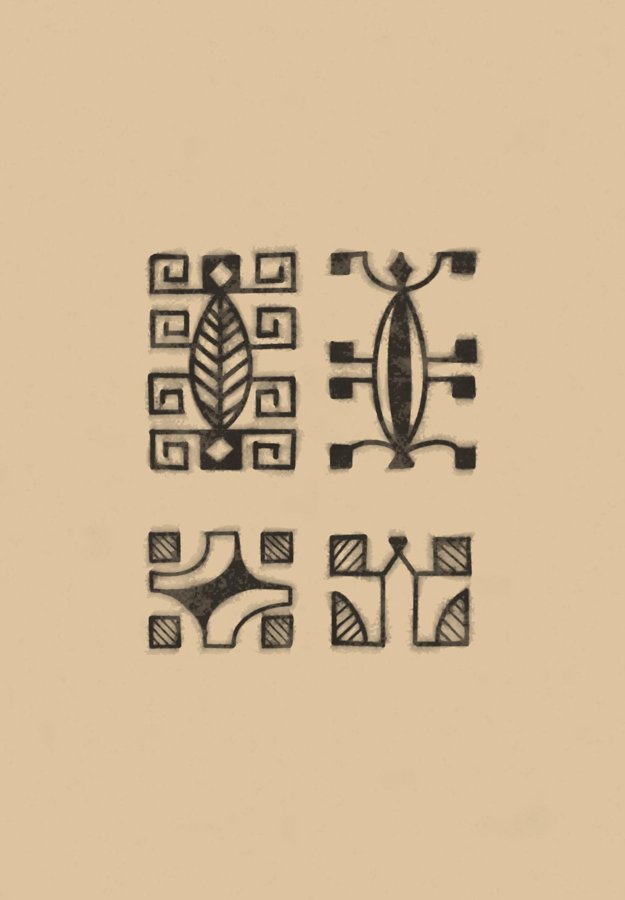
Turtle/ Honu
Centerpiece element in larger compositions, shoulder caps, and back pieces.
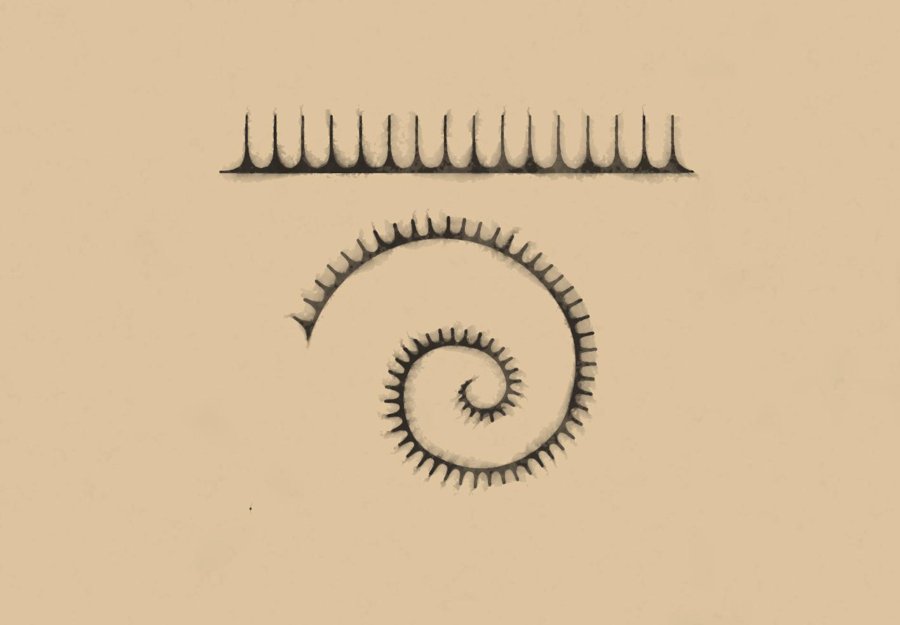
Sun
Focal element in chest, shoulder, or back designs.
Full guide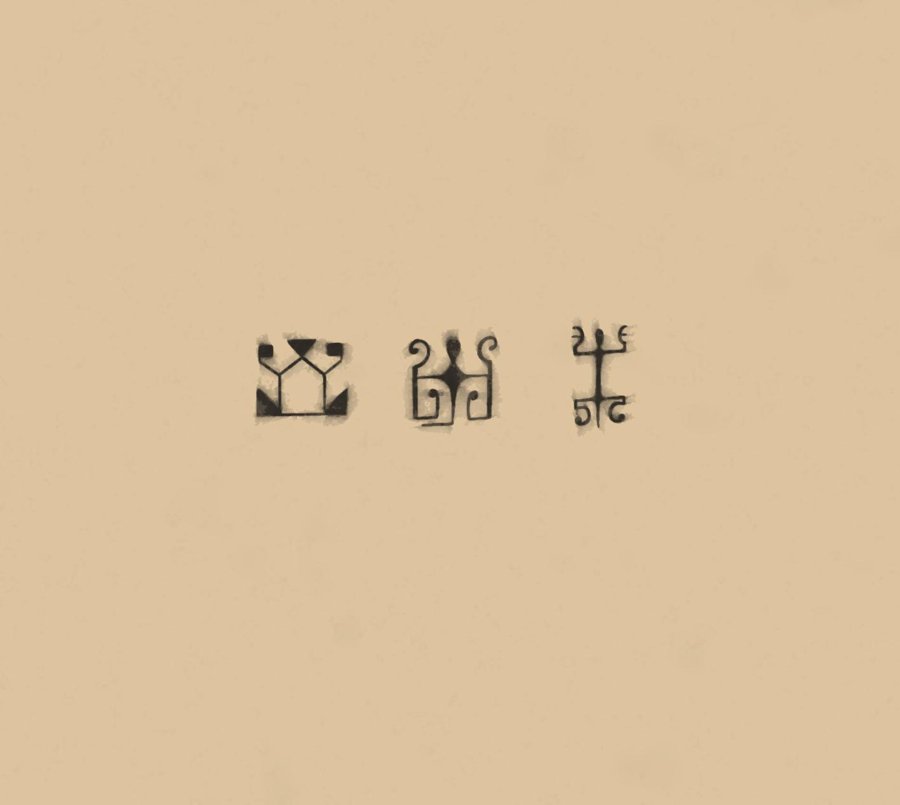
Lizard/ Gecko
Guardian figures in transitional areas within larger compositions.
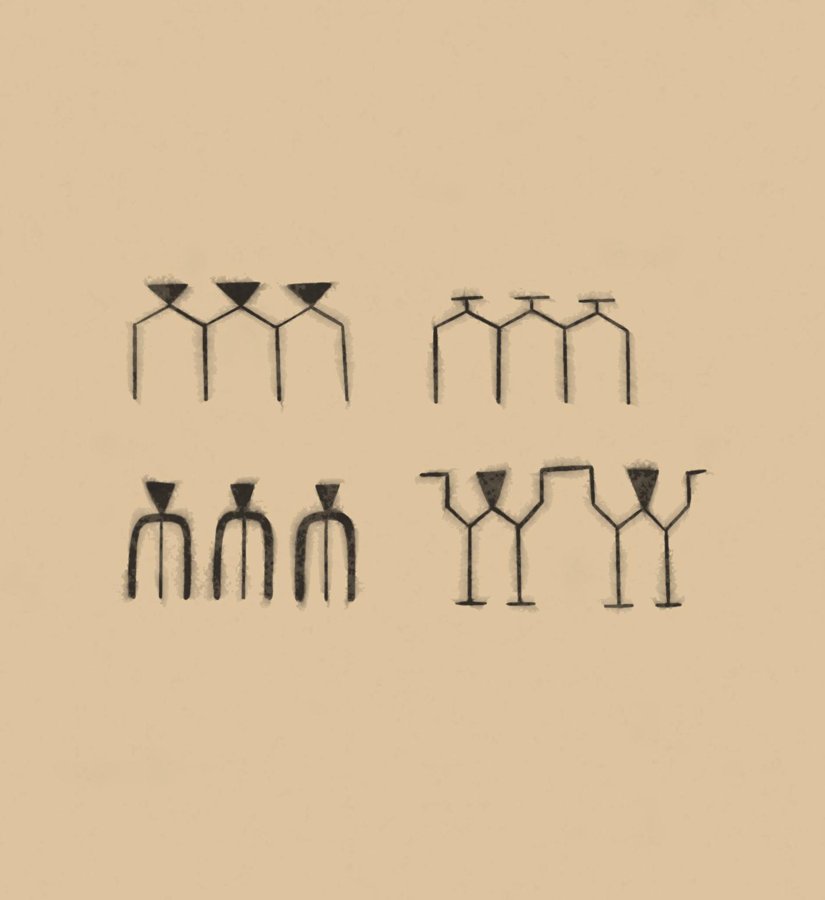
Enata/ Human Figure
Narrative core of sleeve and body compositions.
Full guidePolynesian Tattoo Motifs — FAQ
Continue Exploring
Ready to Build Your Tattoo?
Every tattoo at IslandTAT starts with a conversation about your story and the motifs that represent it. Let's design something meaningful together.