Tattoo Work
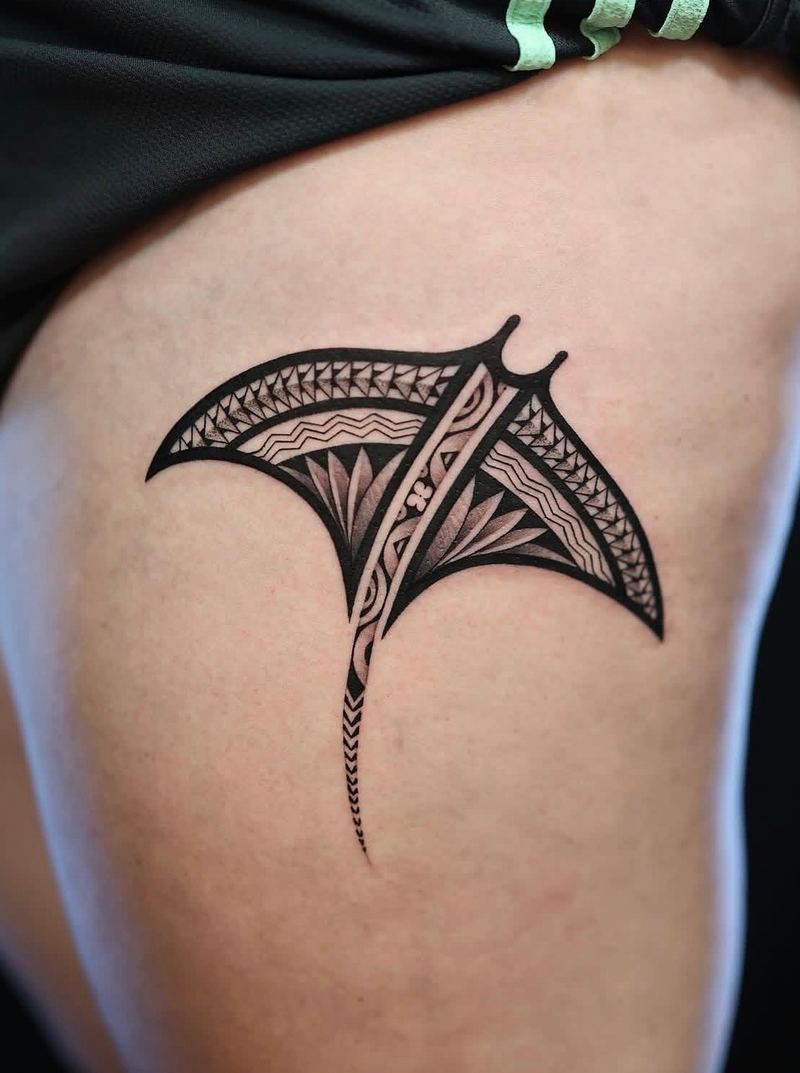
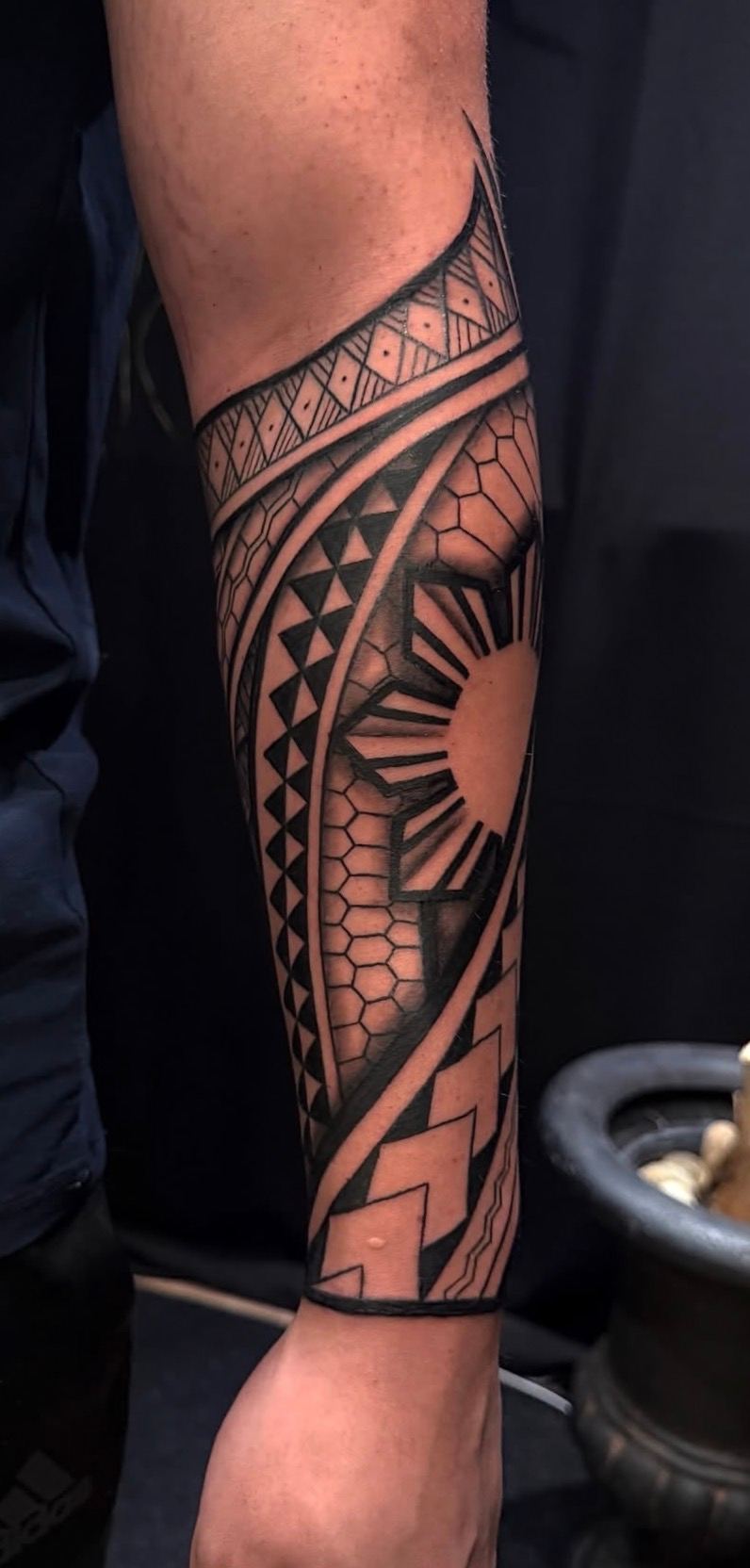
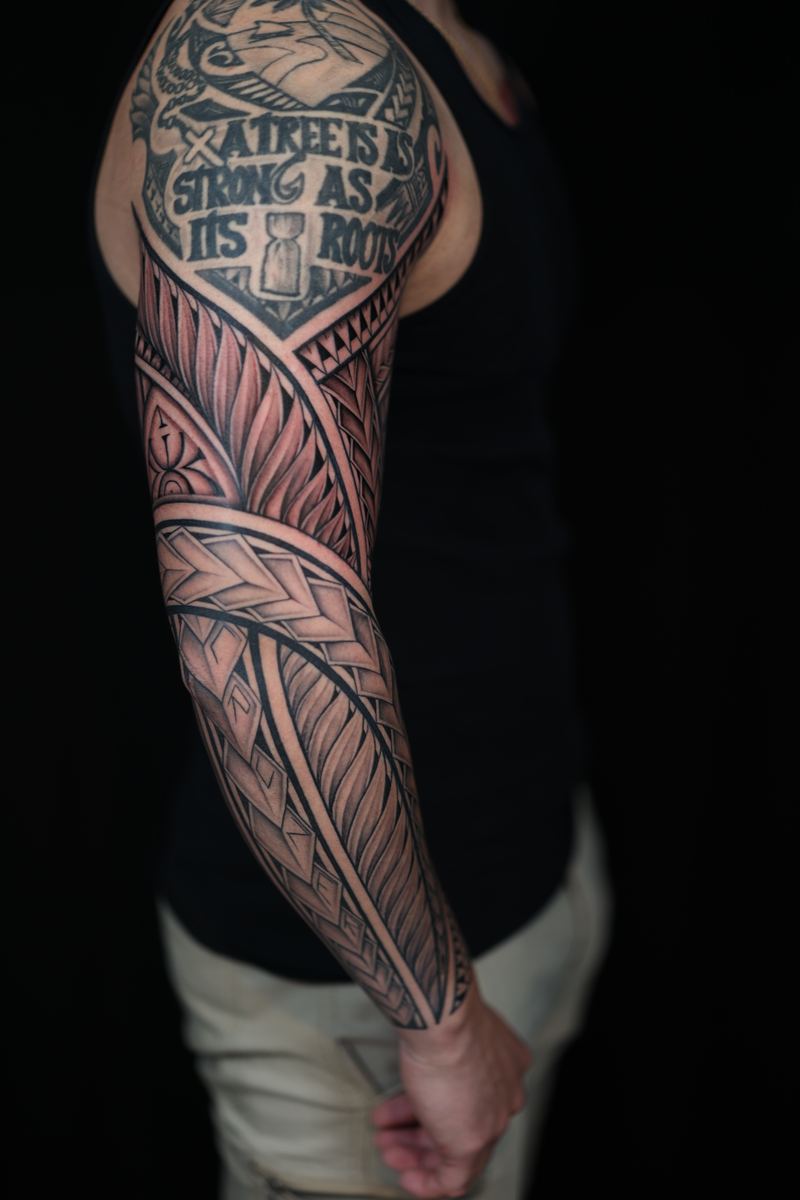
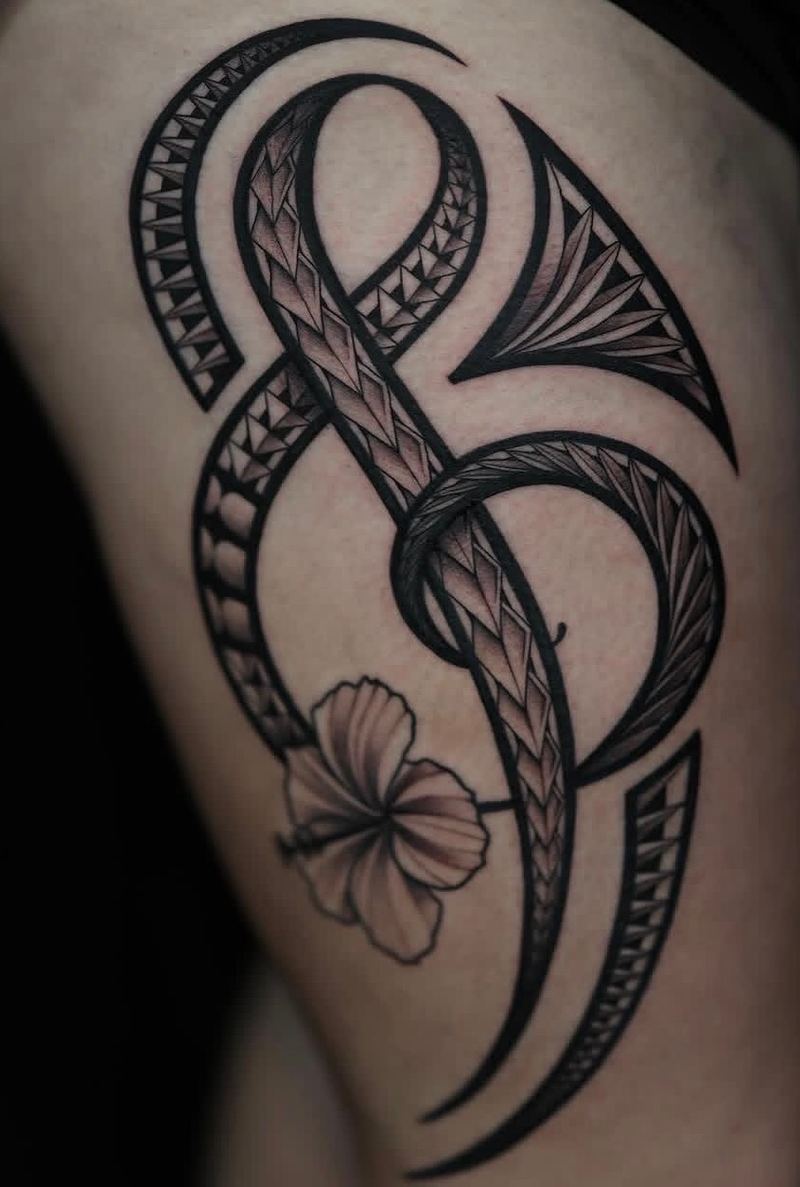
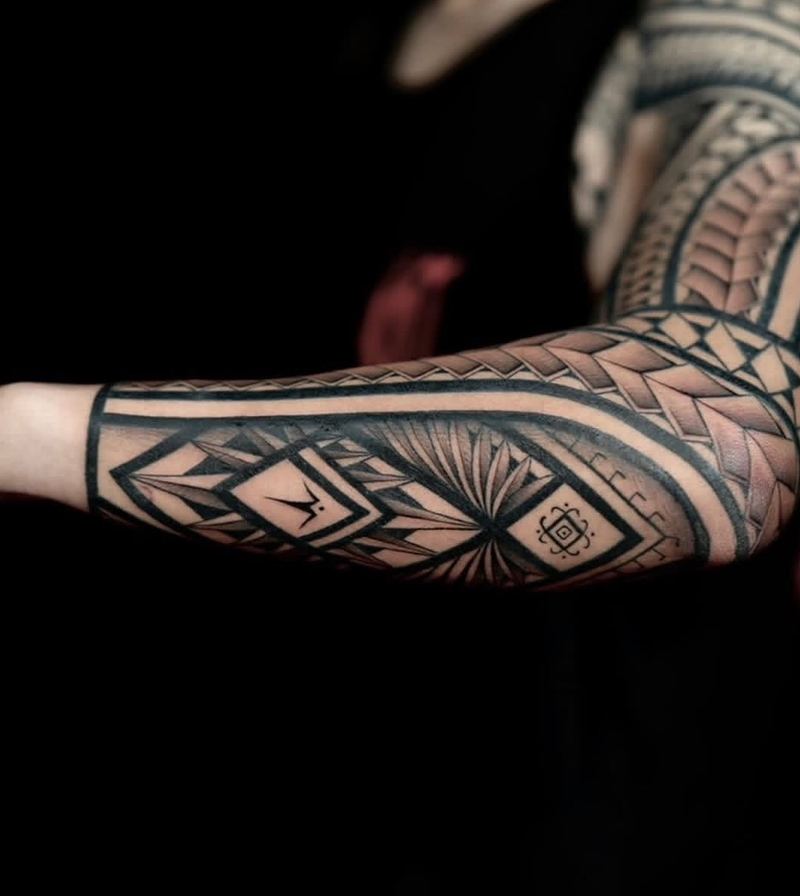
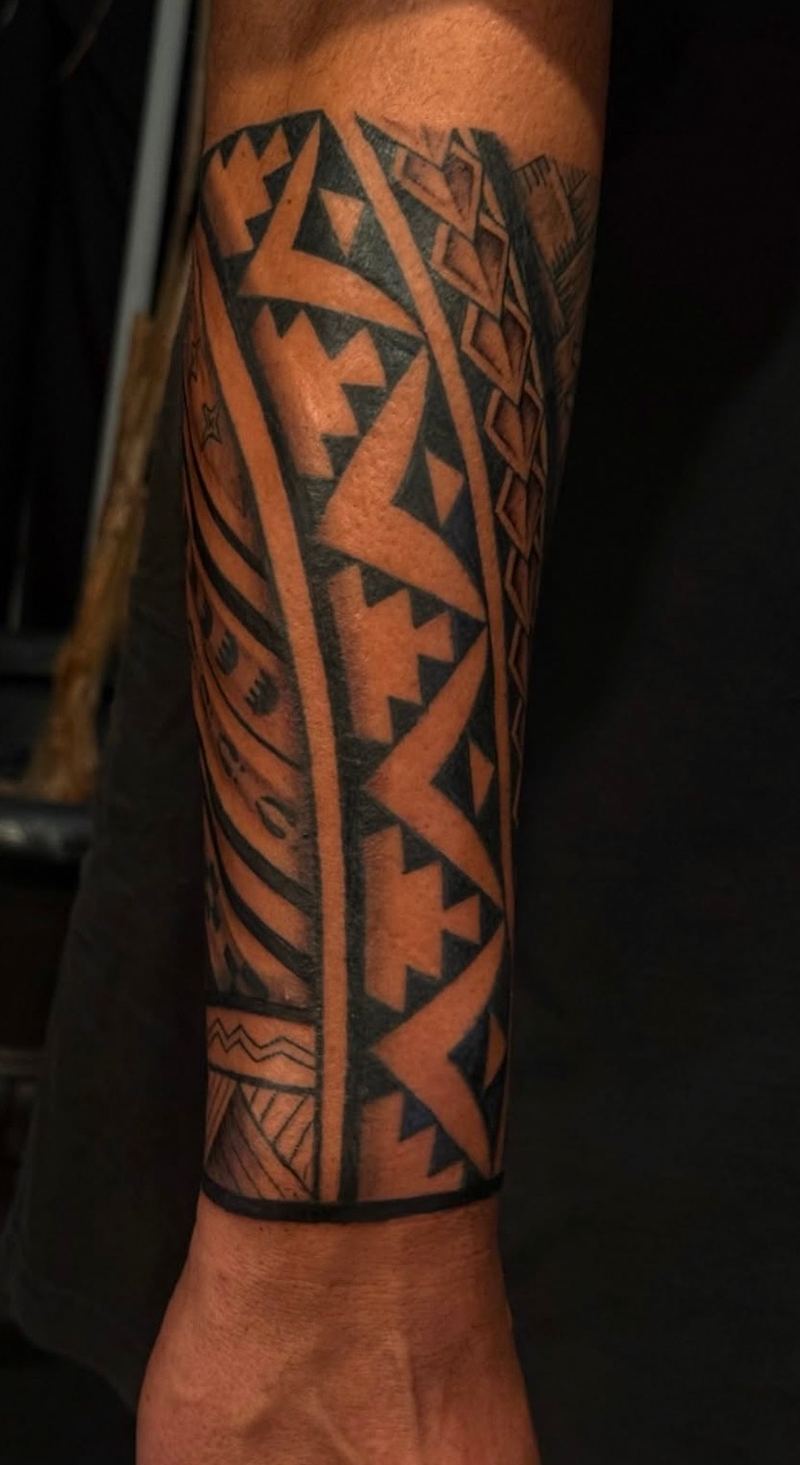
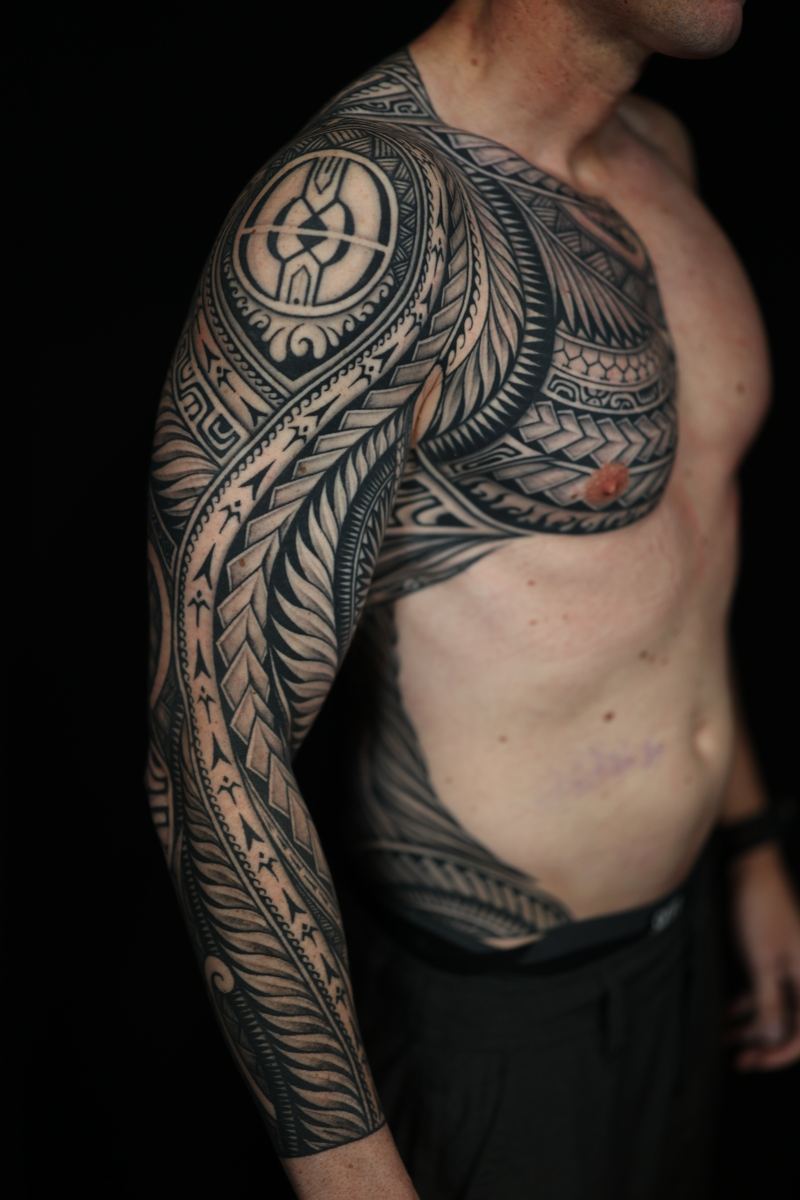
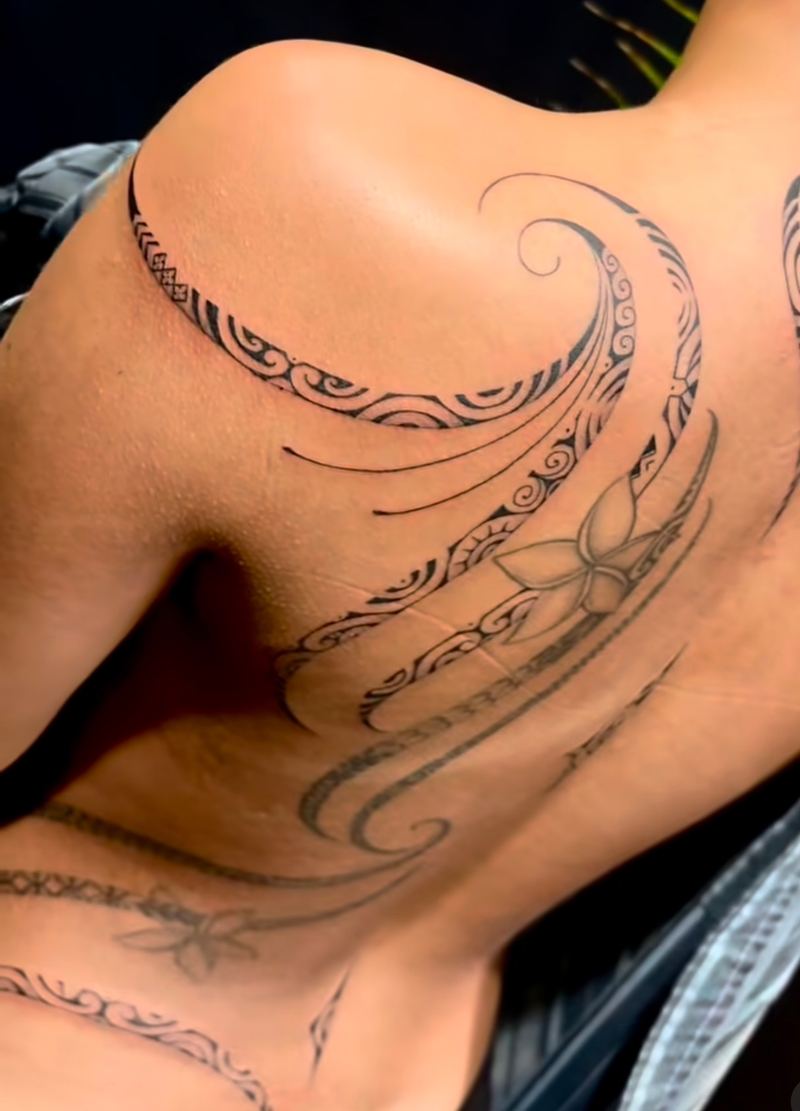
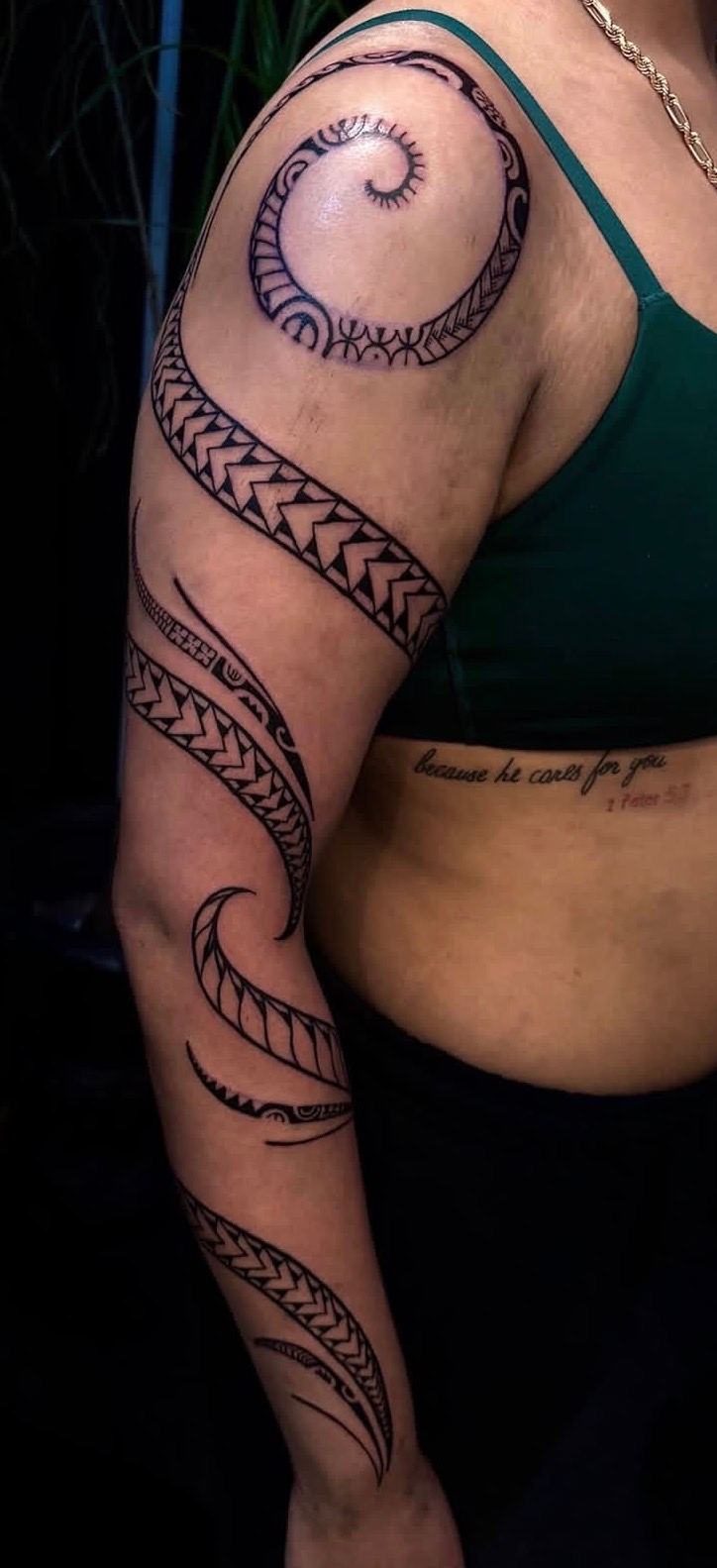
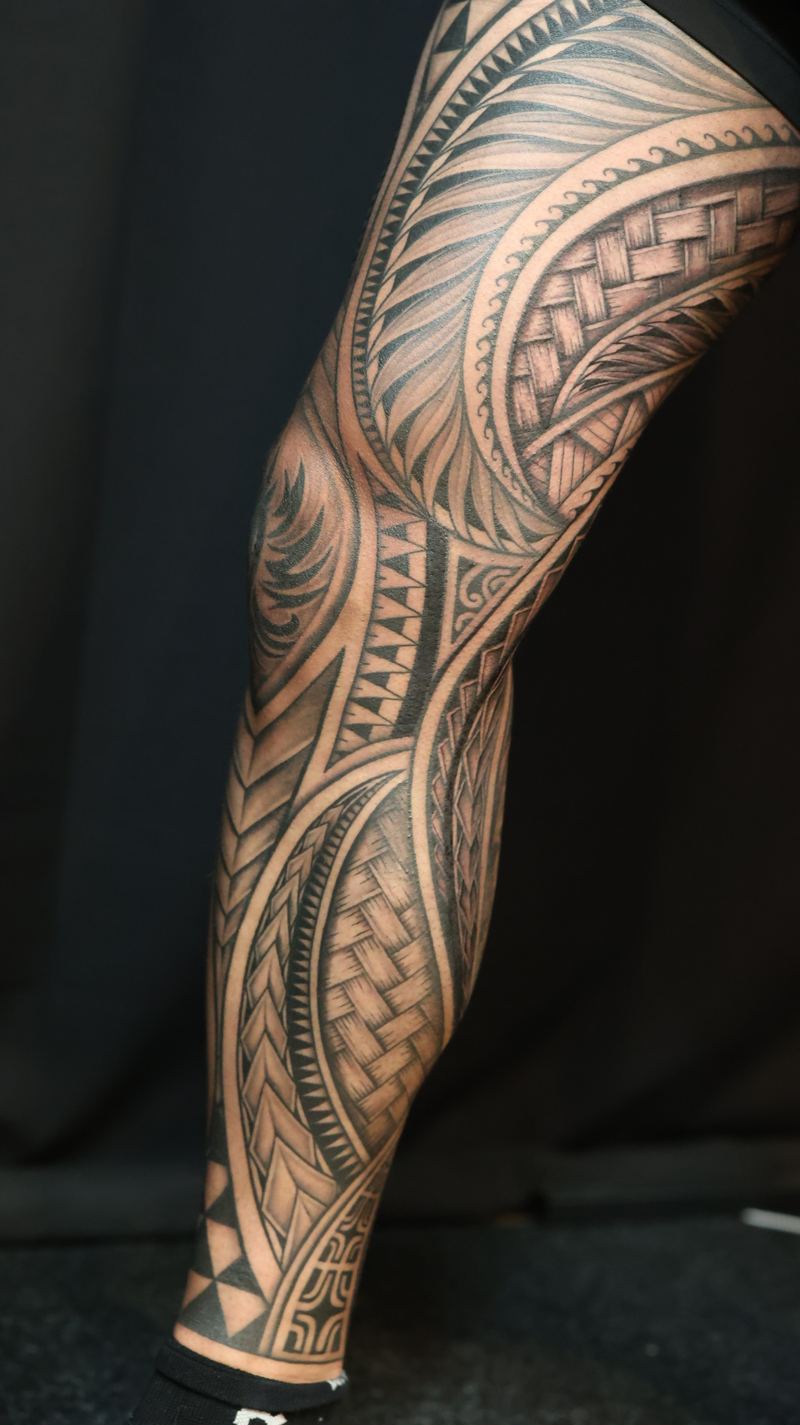
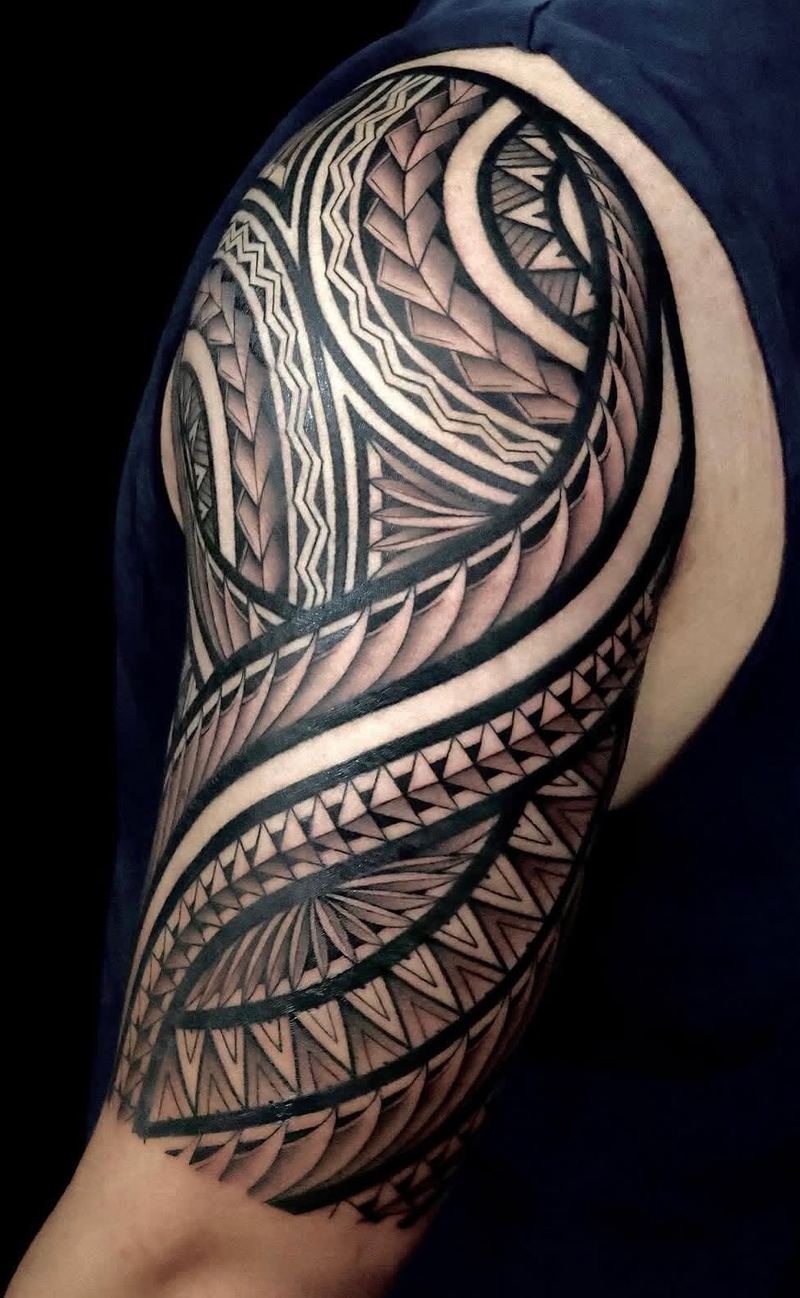
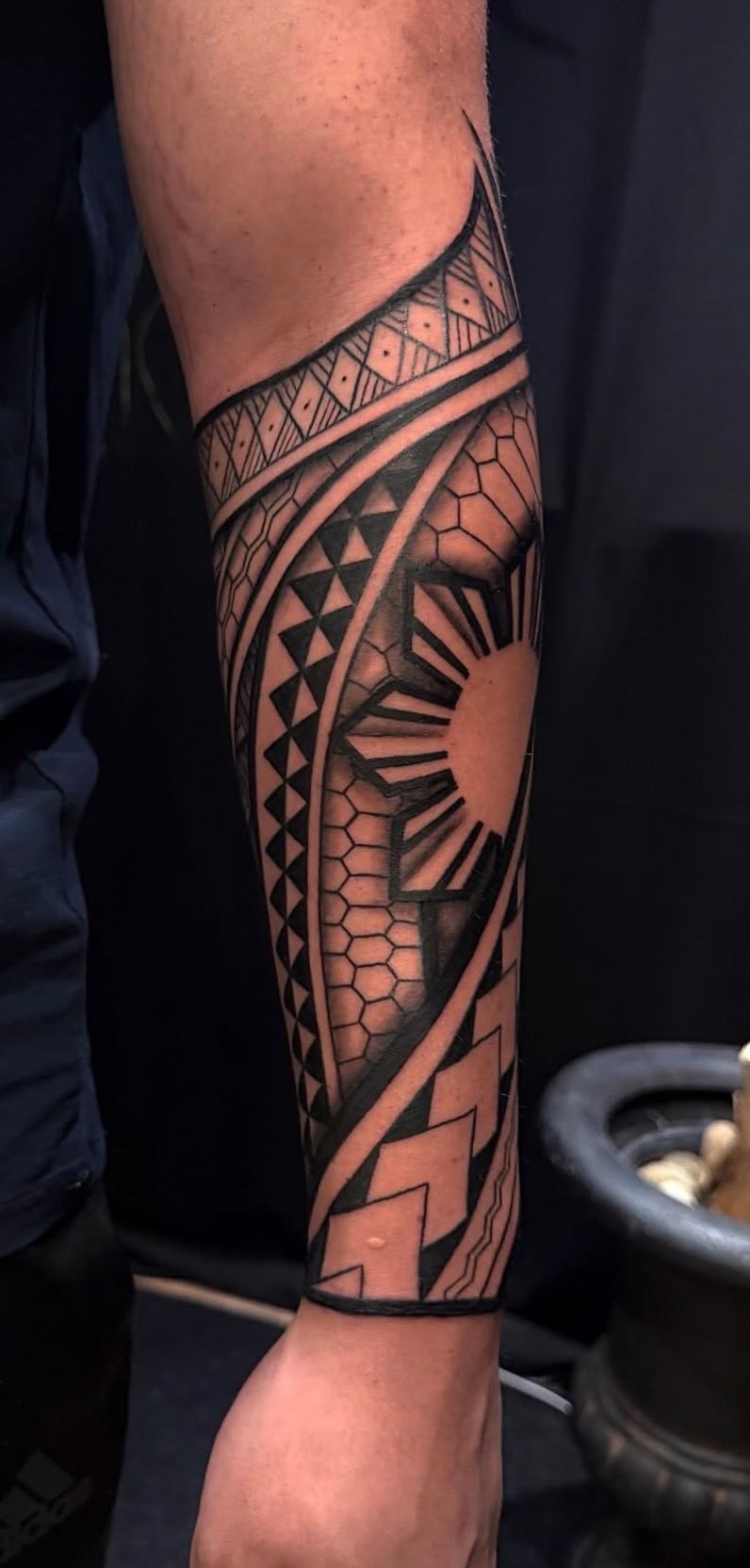
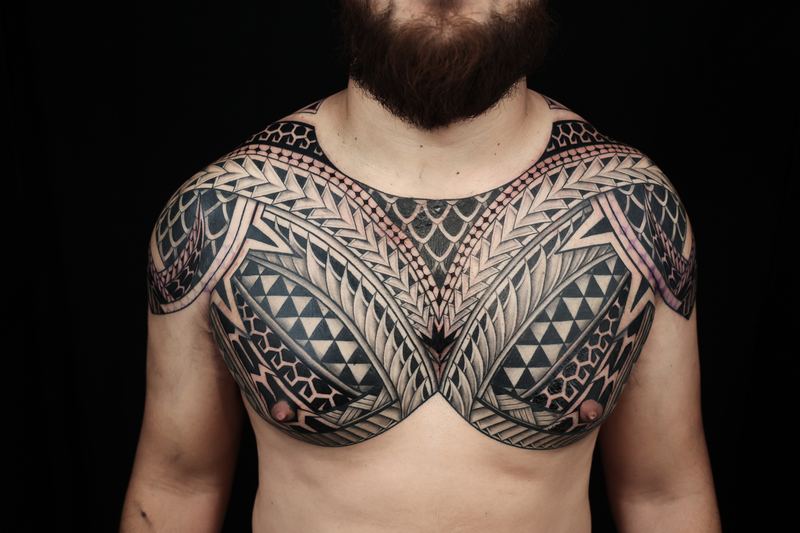
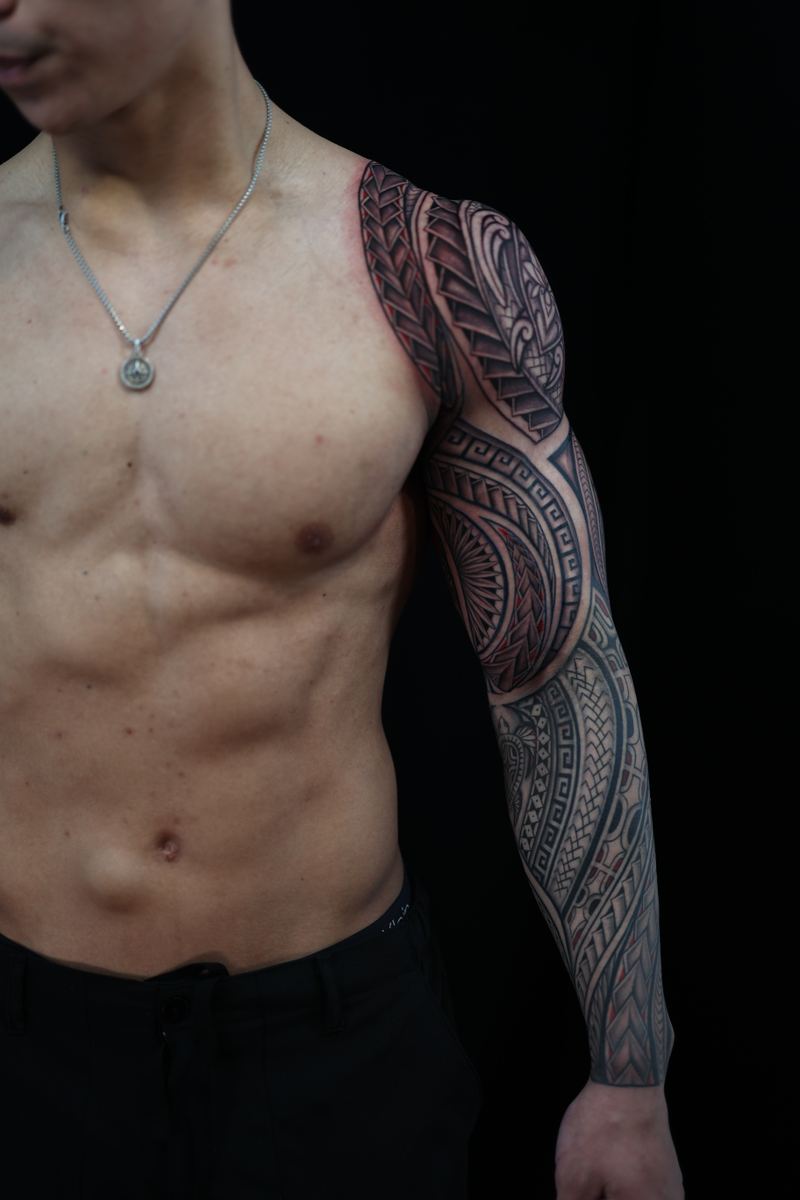
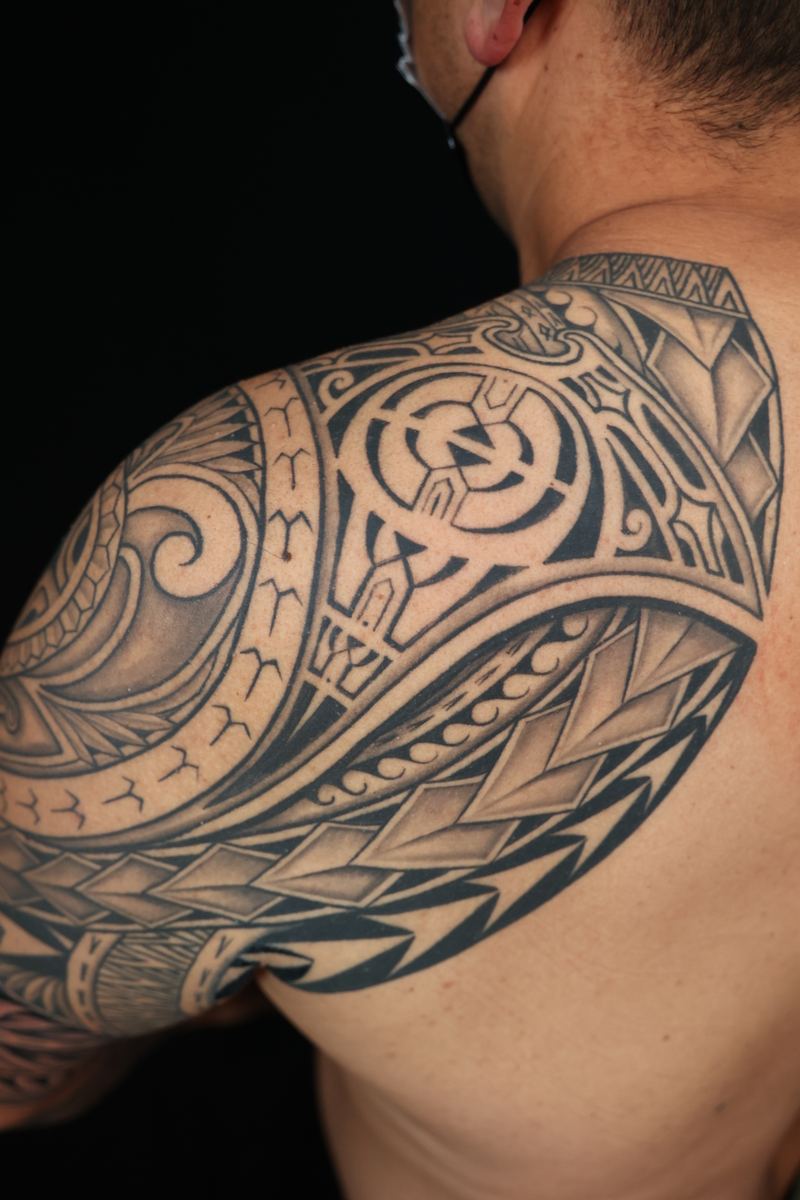
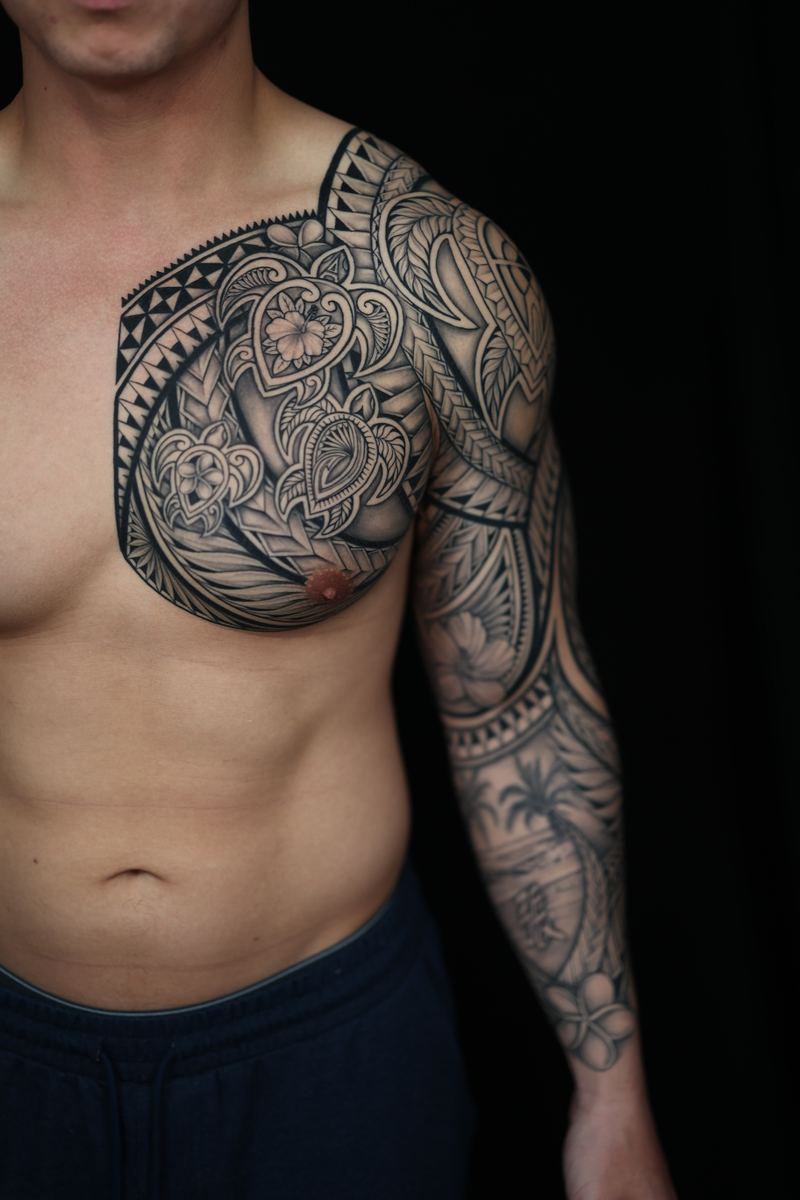
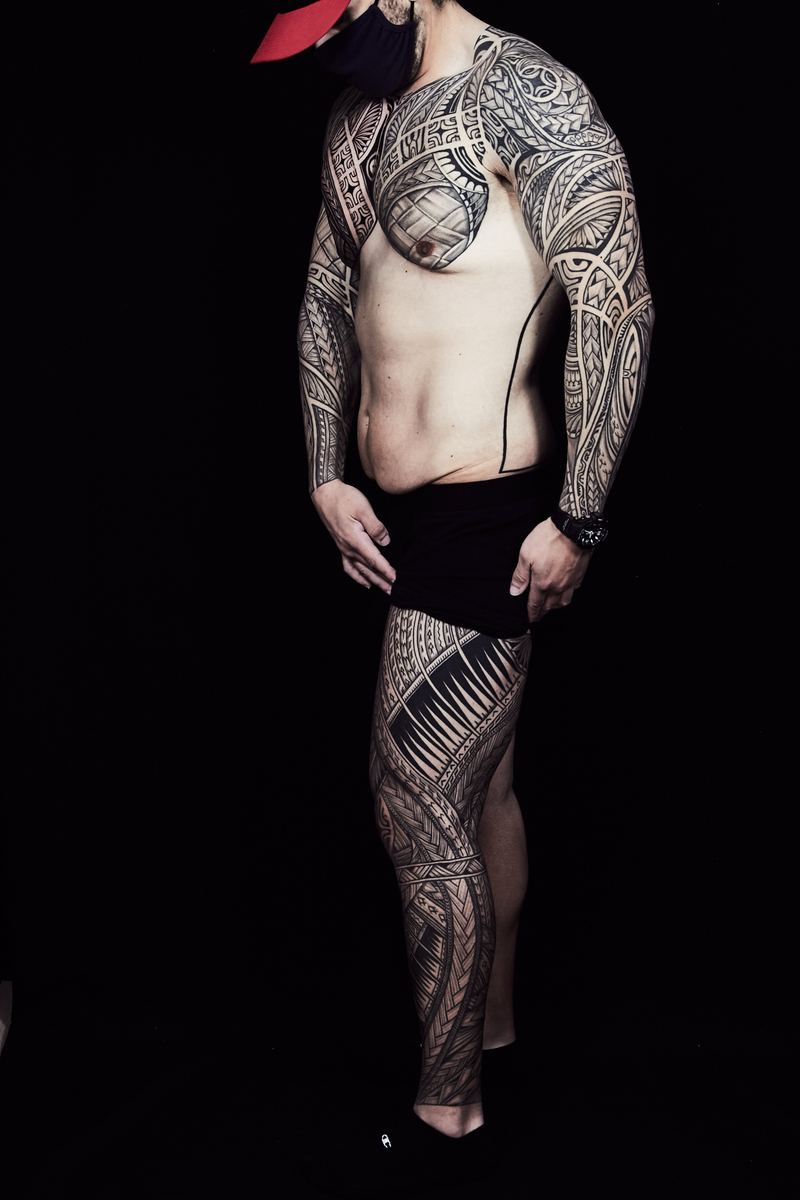
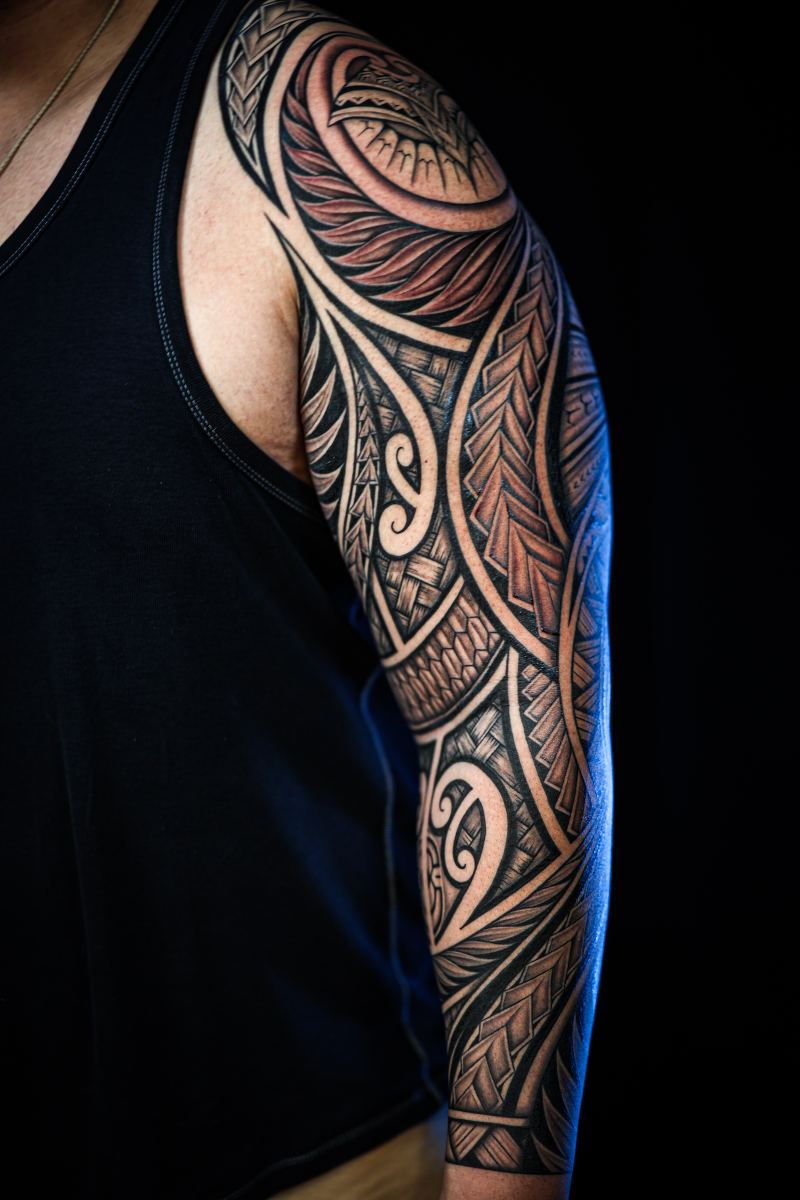
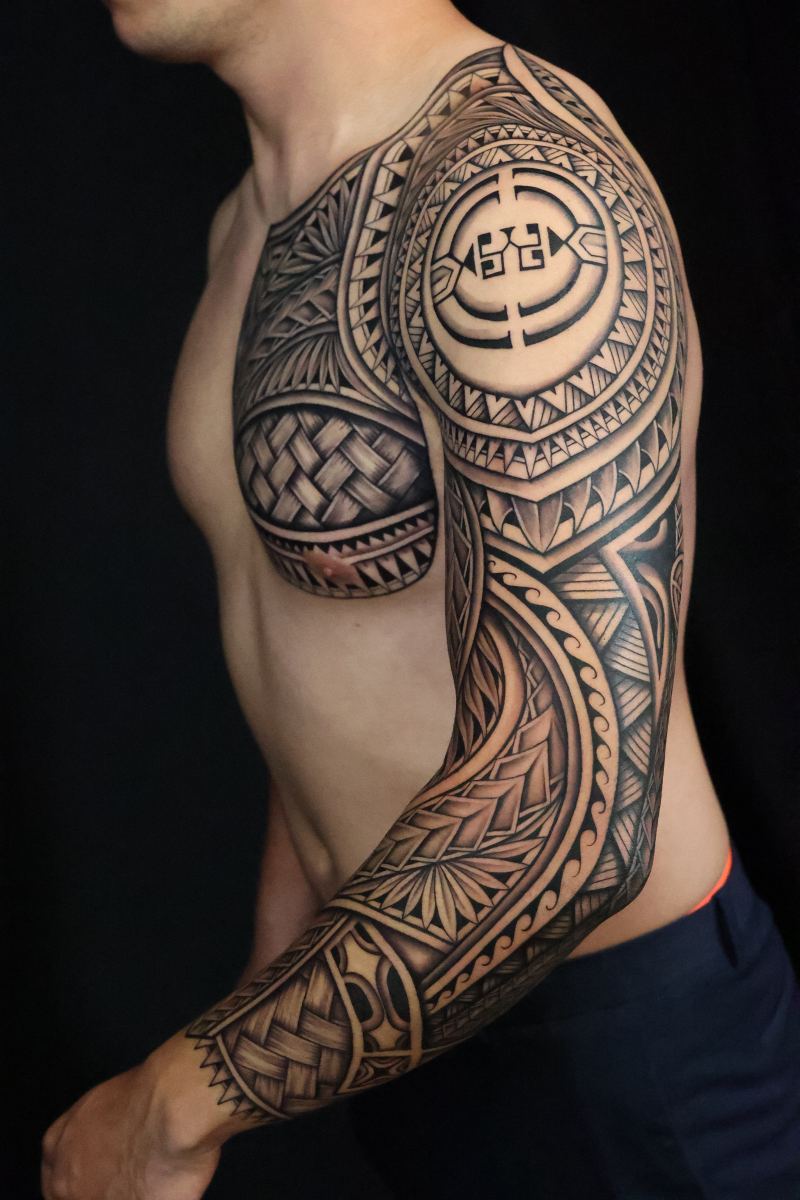
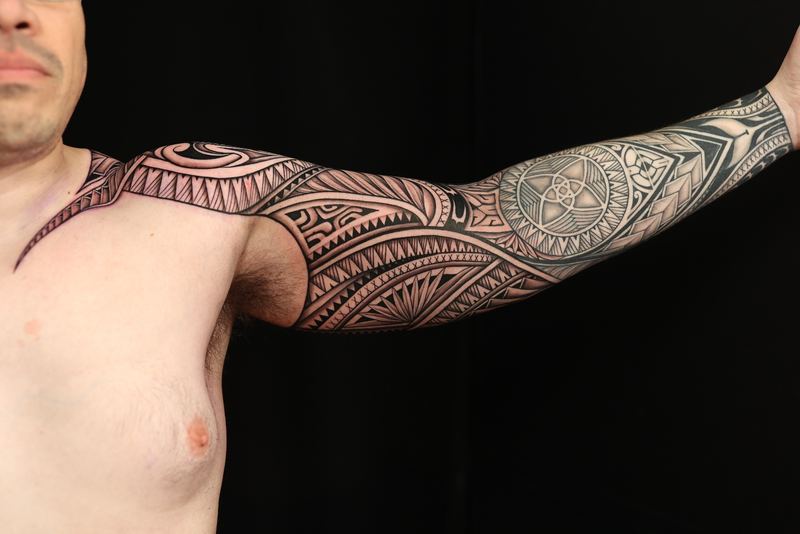
Choose an artist to explore their portfolio. Every piece is designed freehand on the body — composed for flow, structure, and meaning.
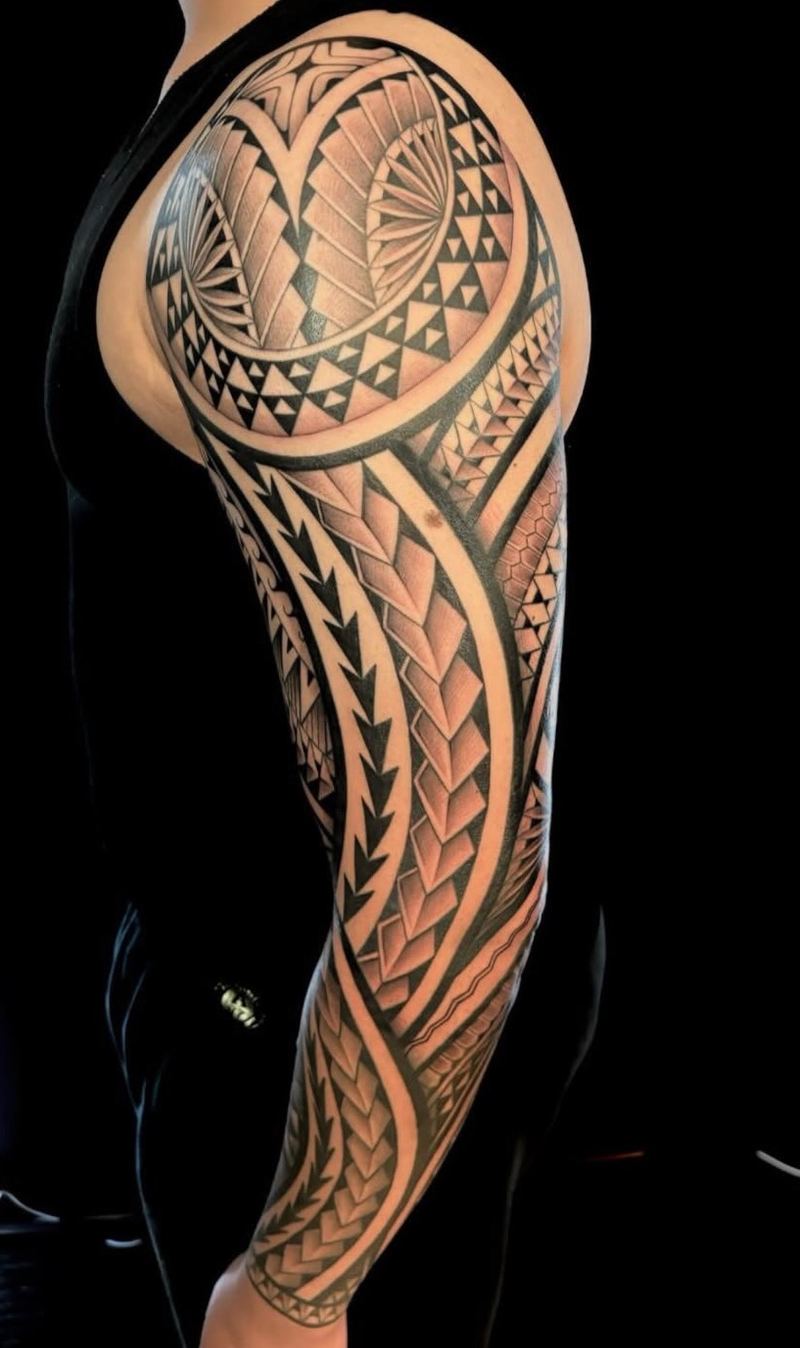
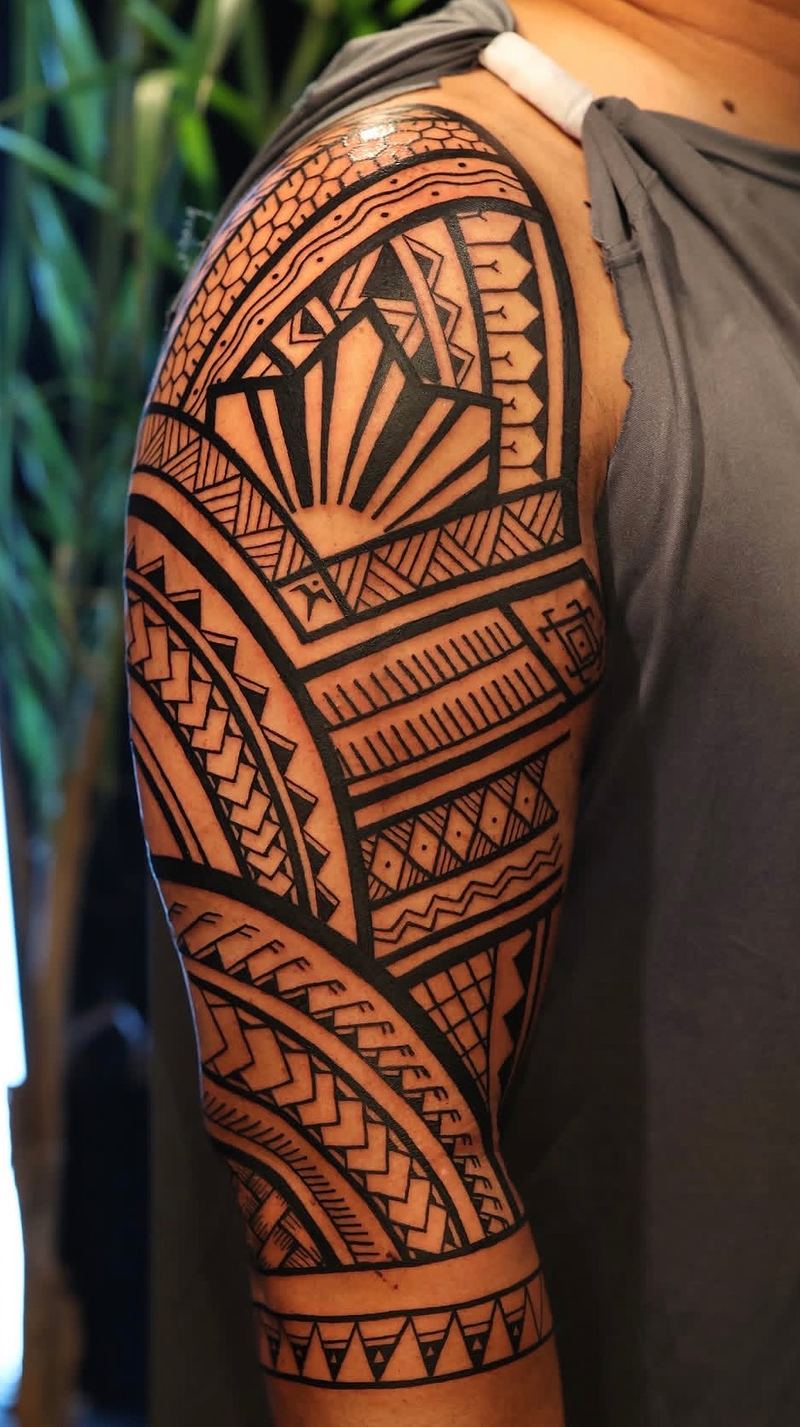
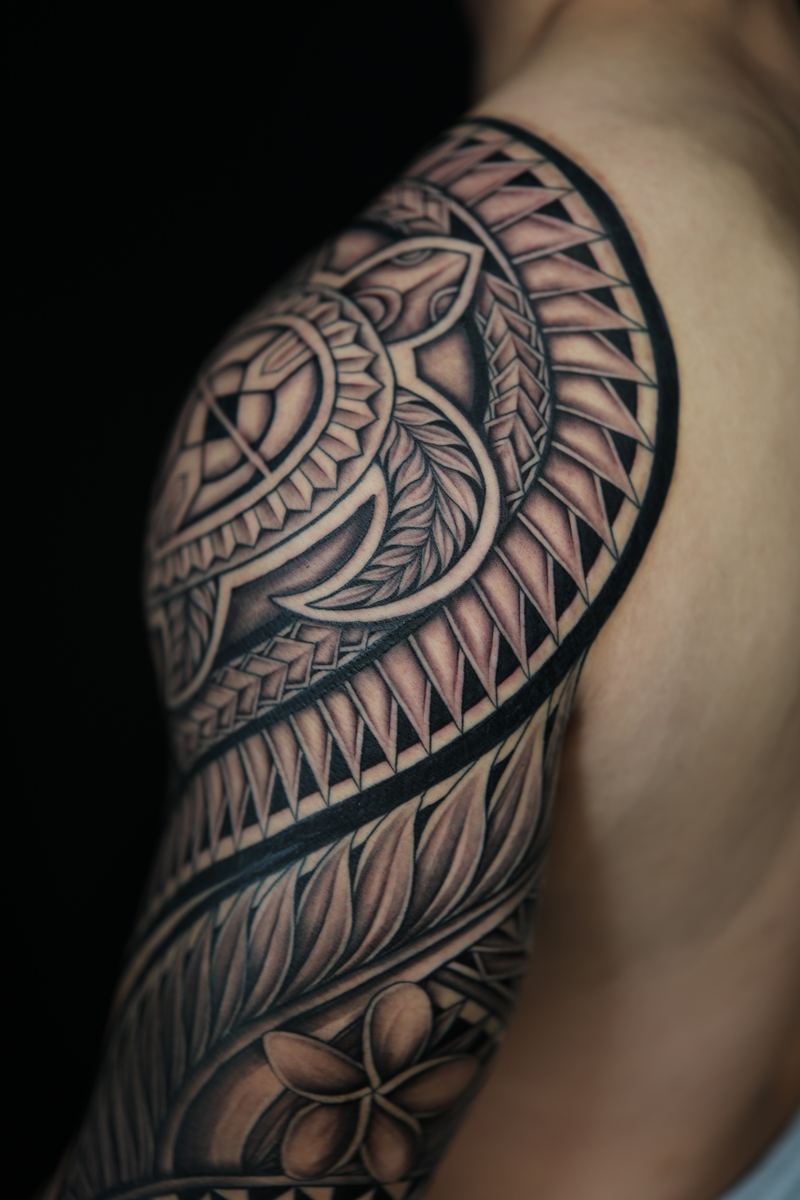
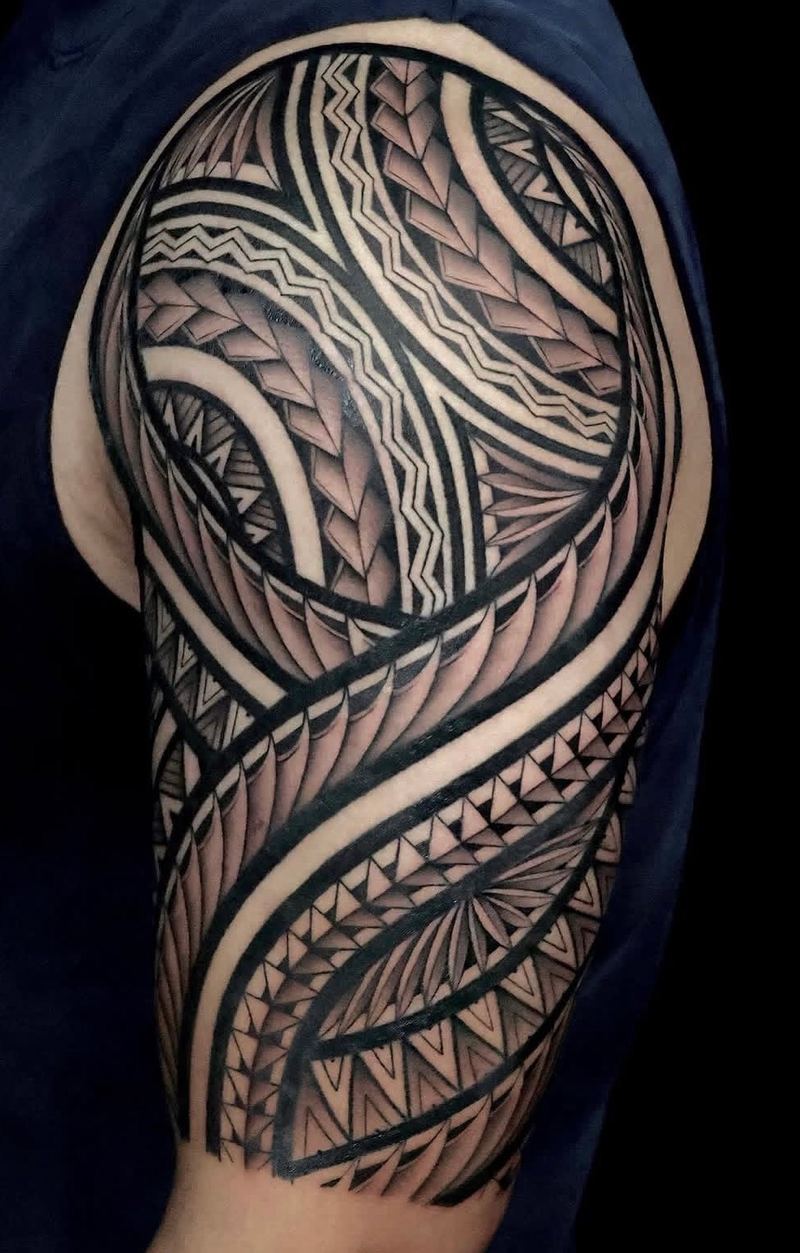
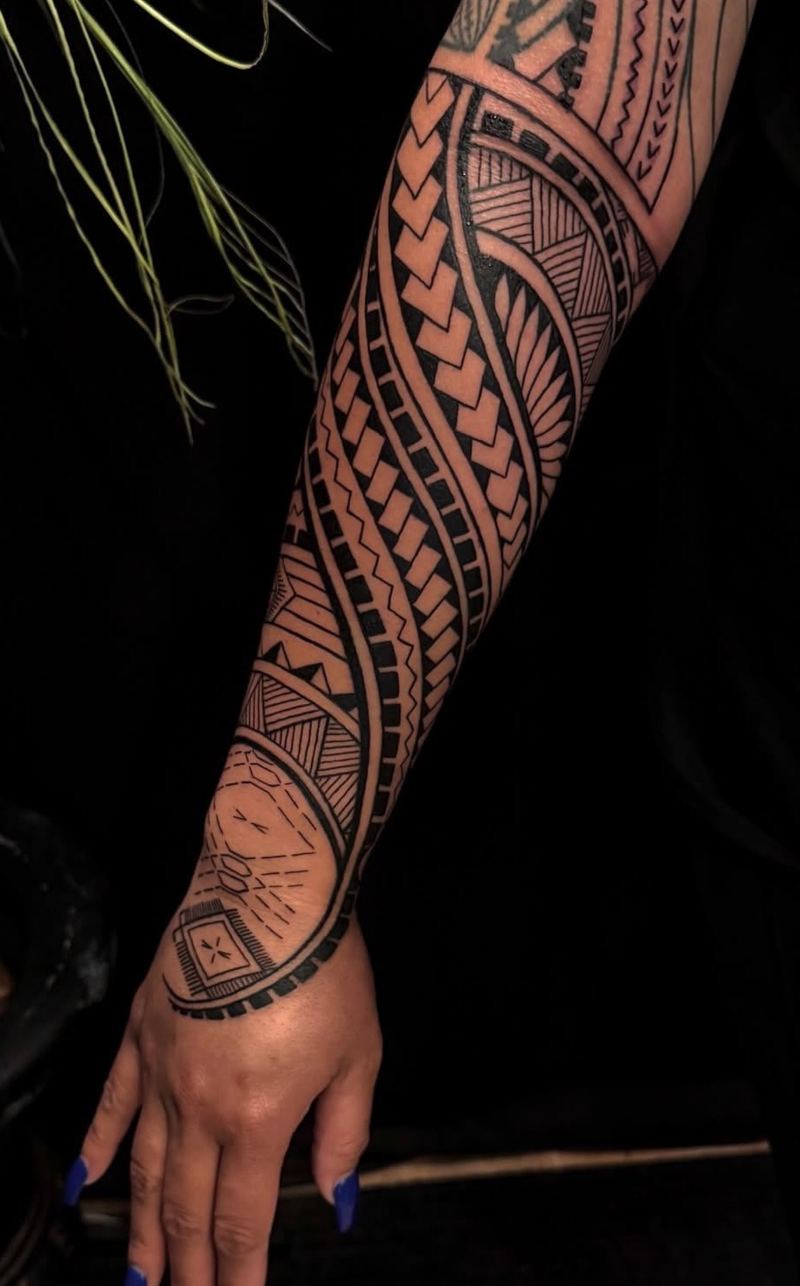
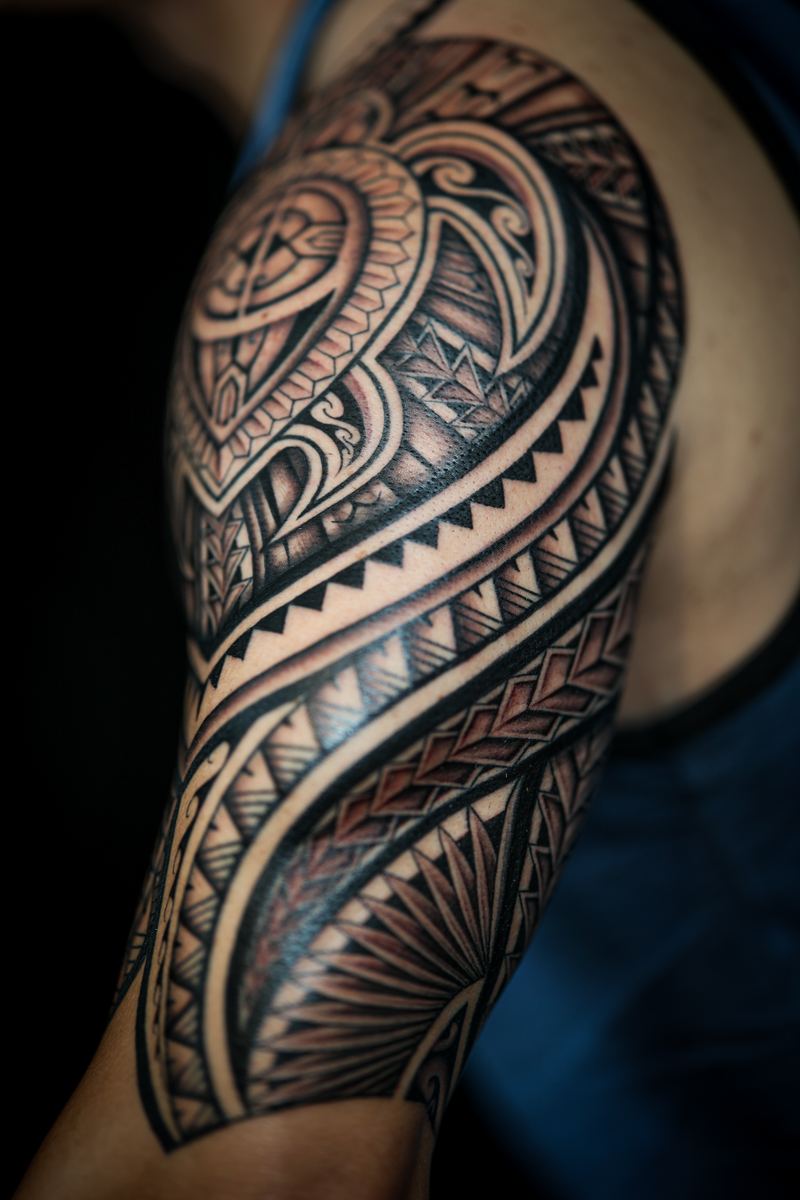
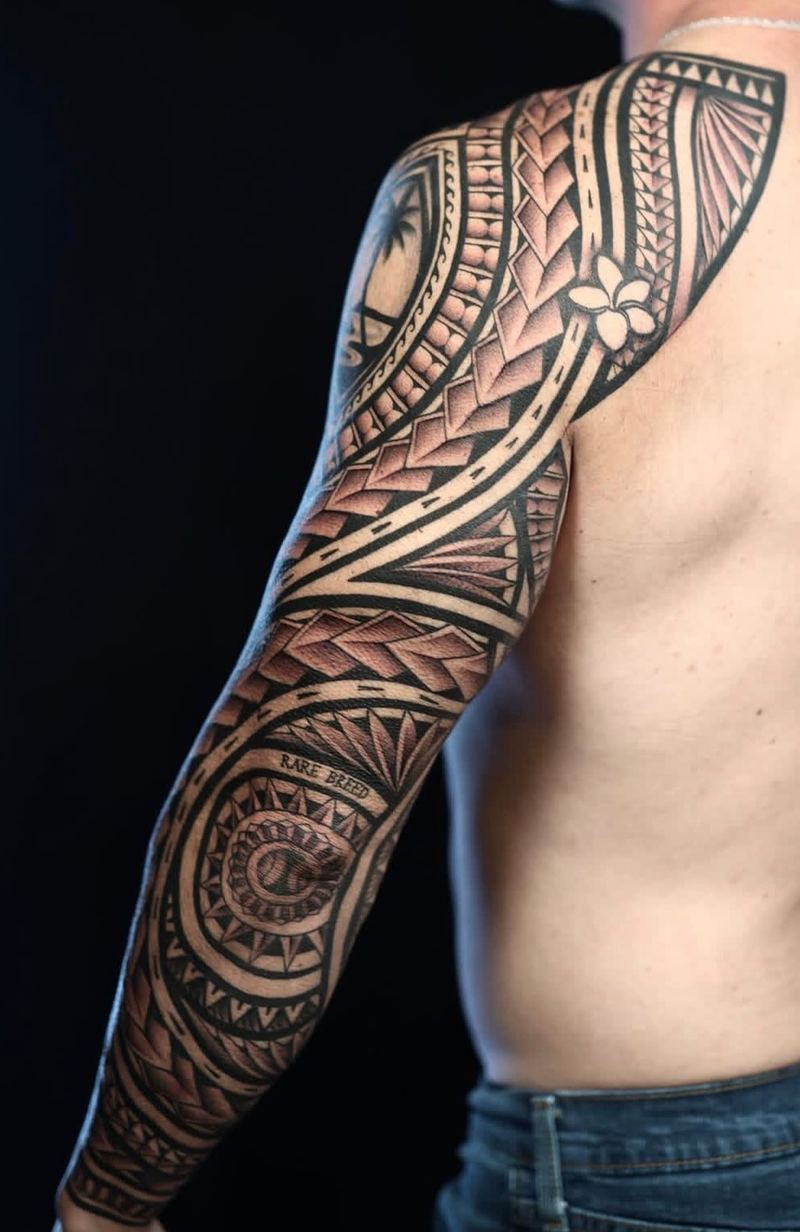
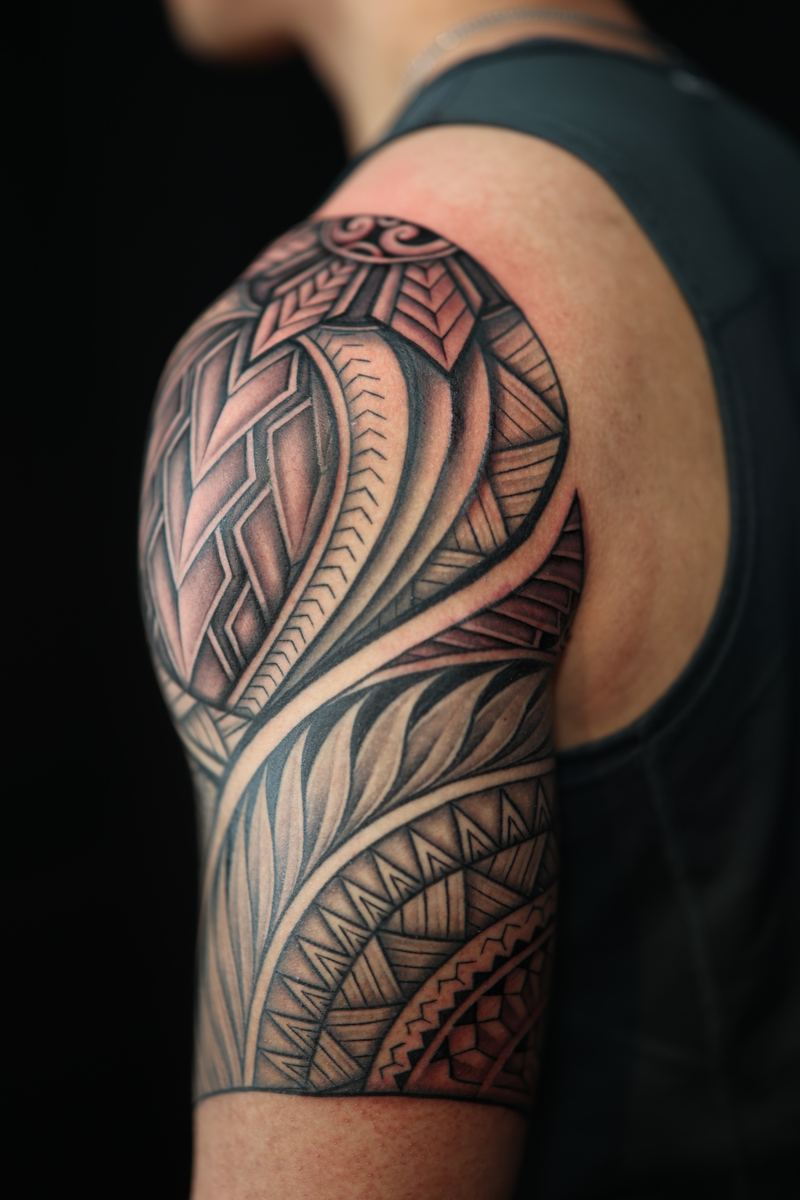
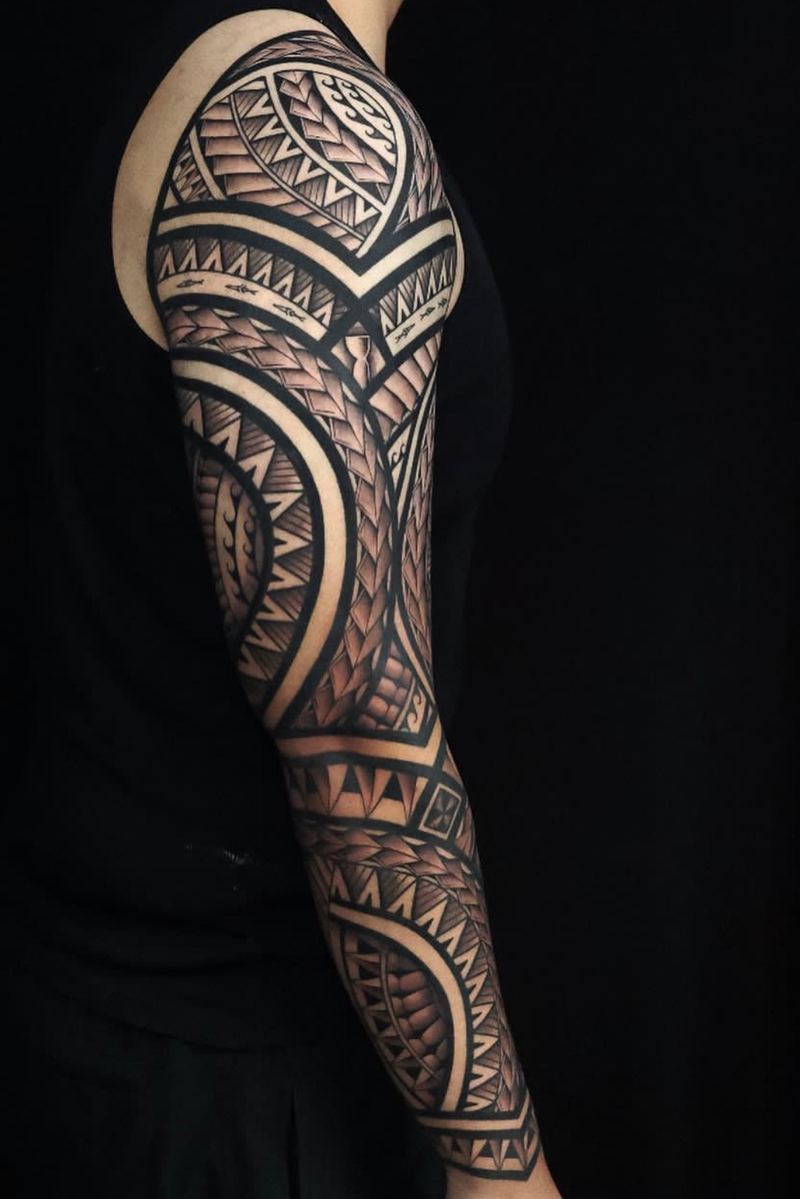
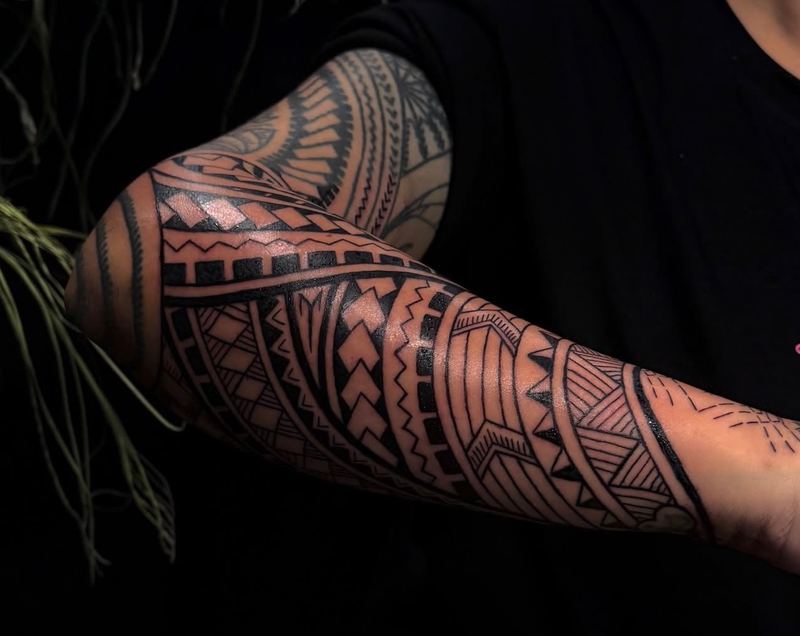
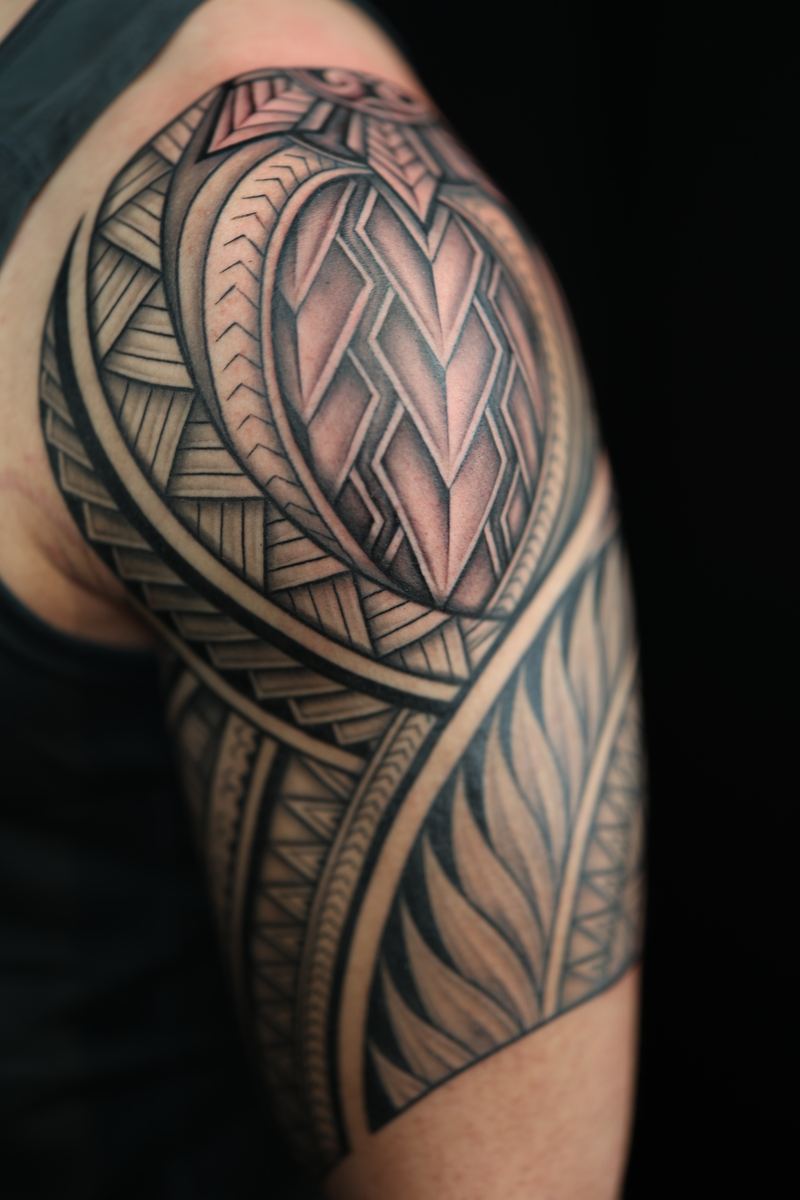
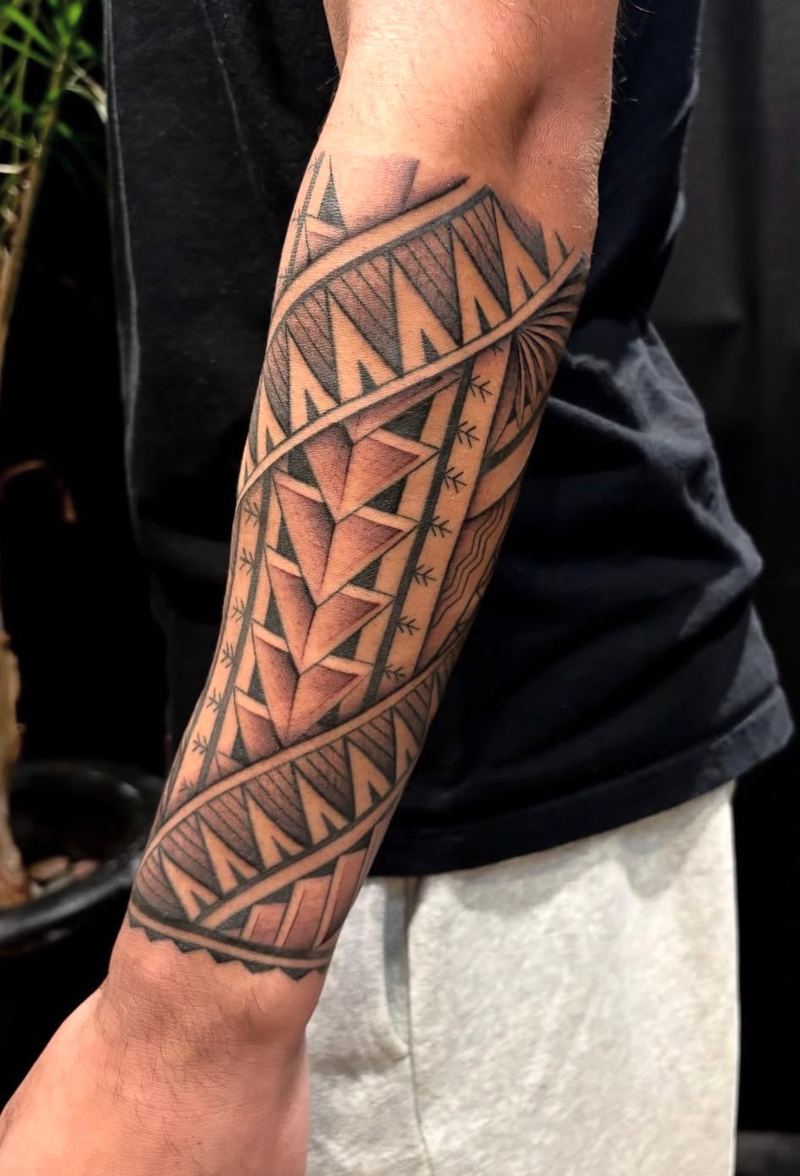
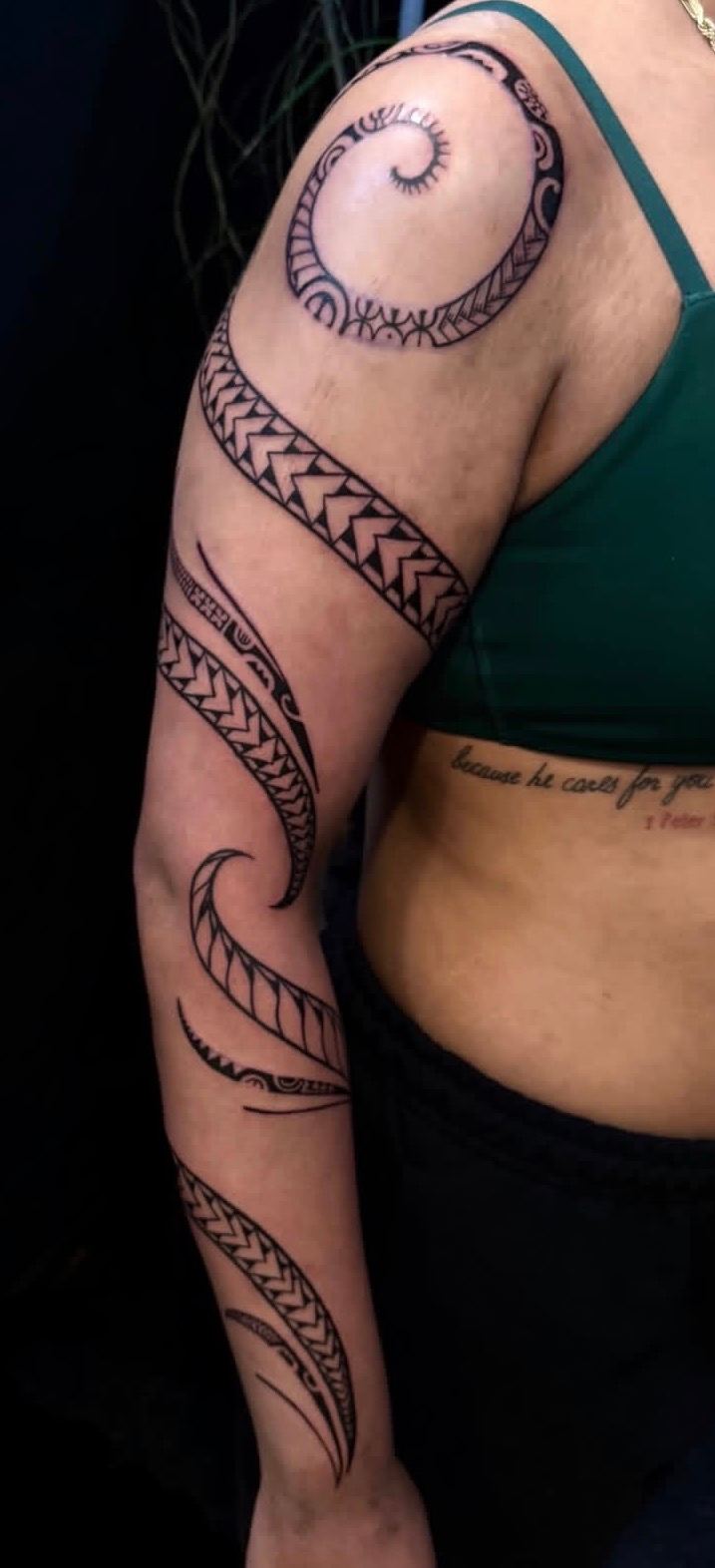
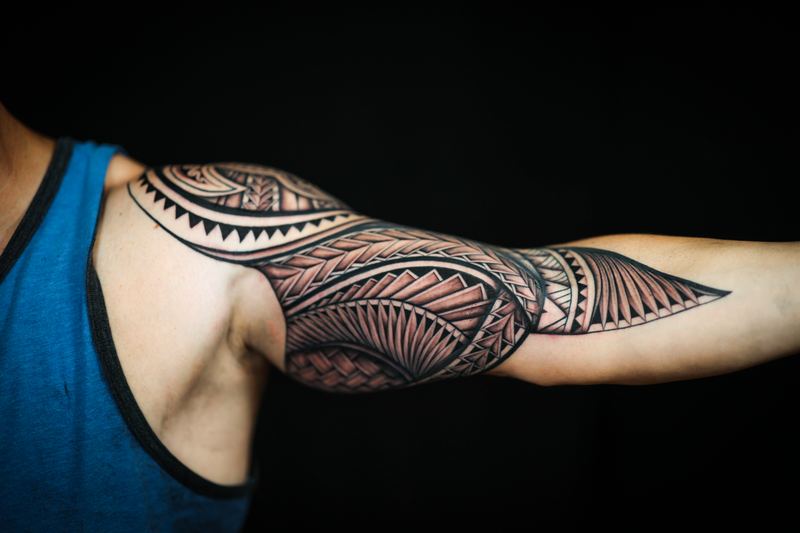
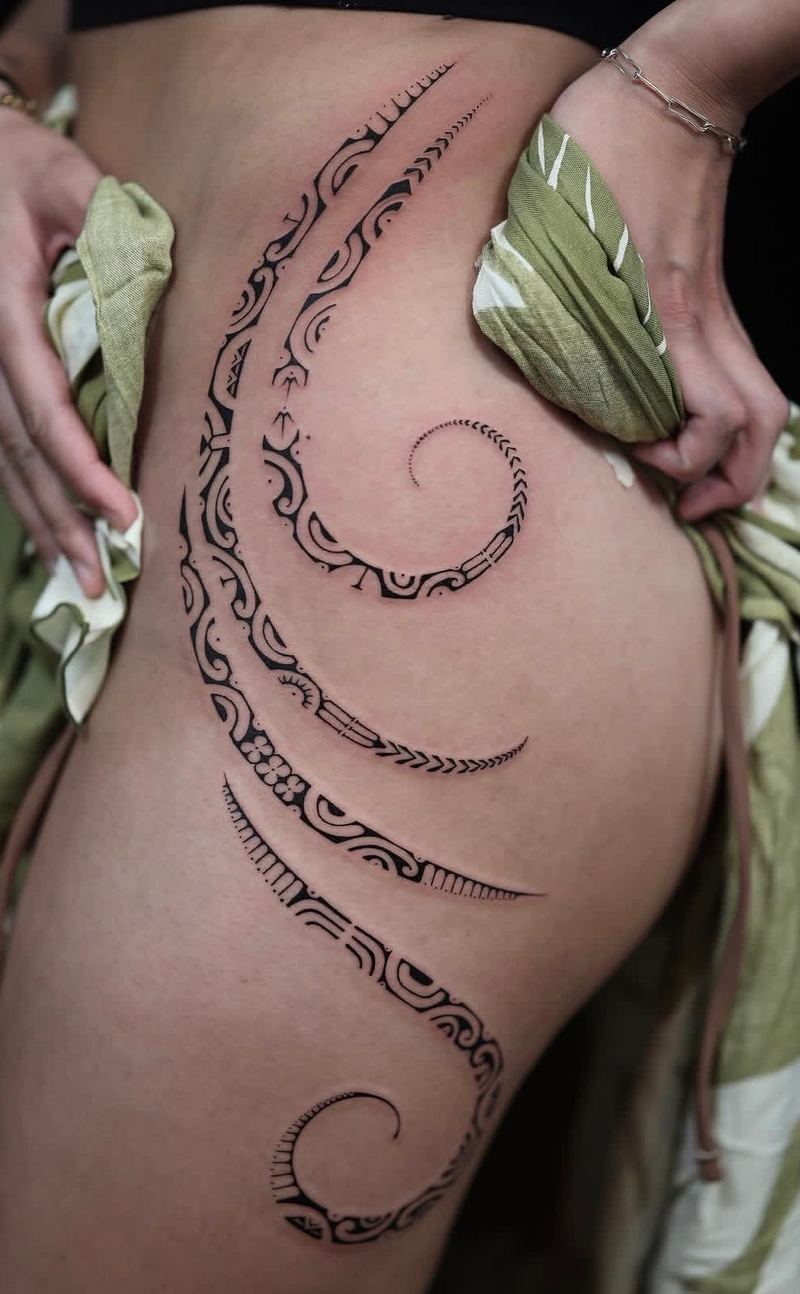
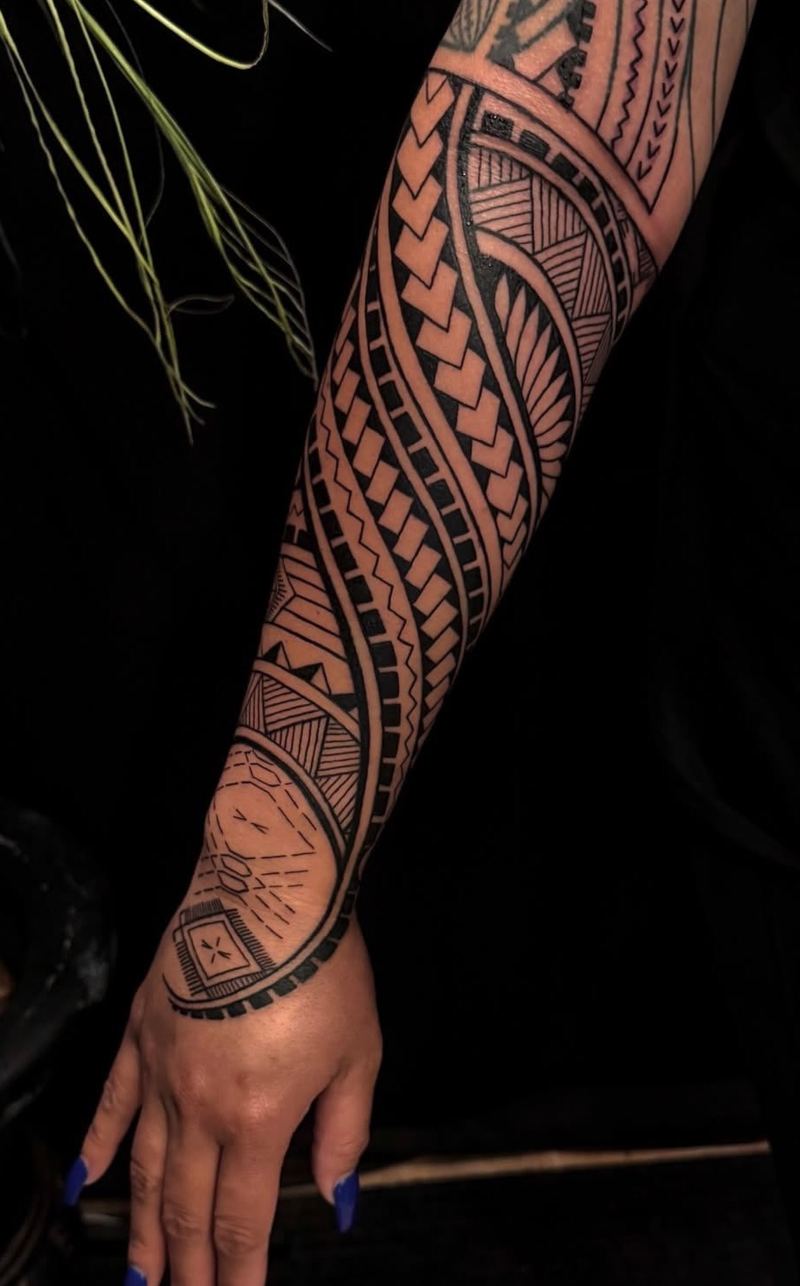
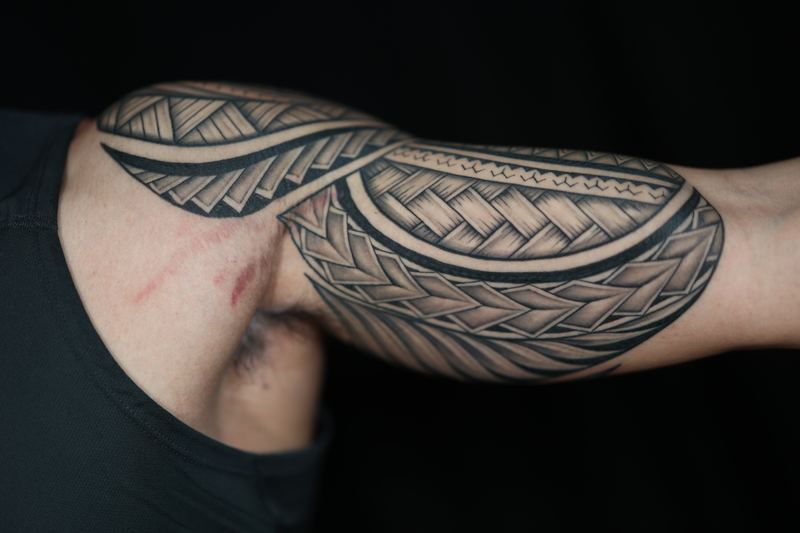
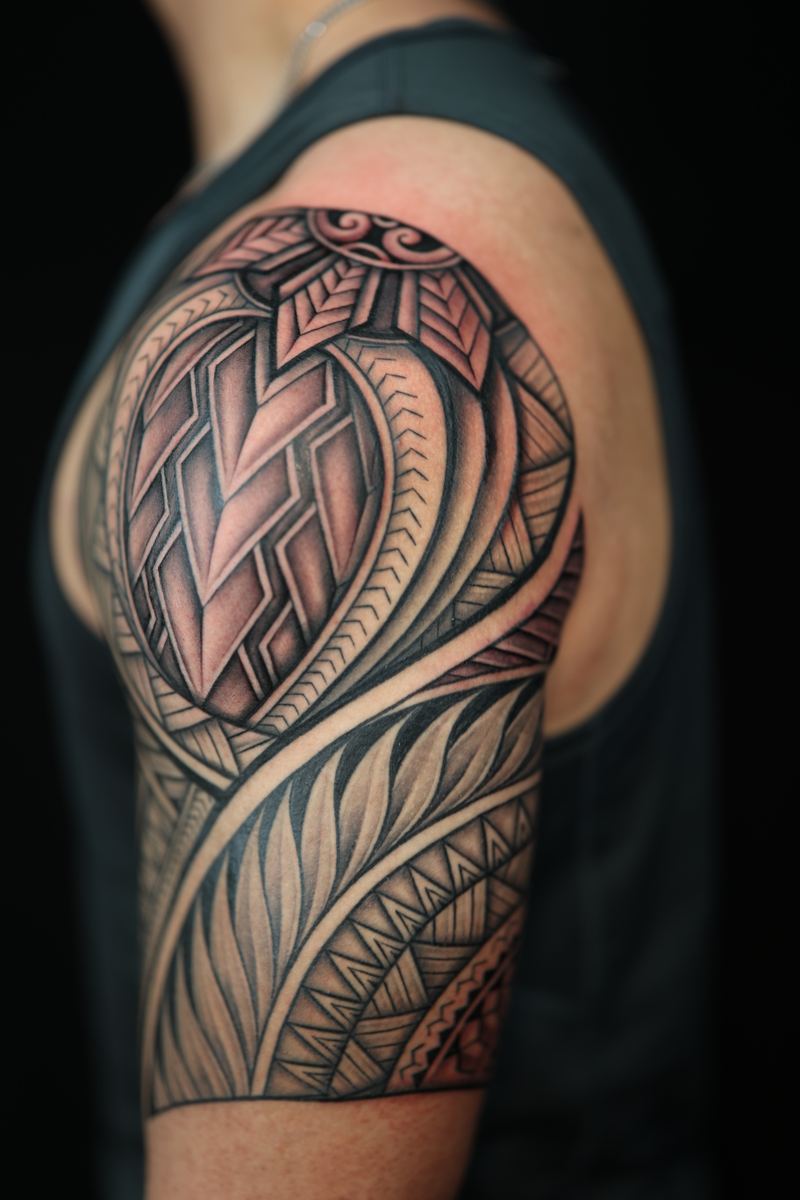
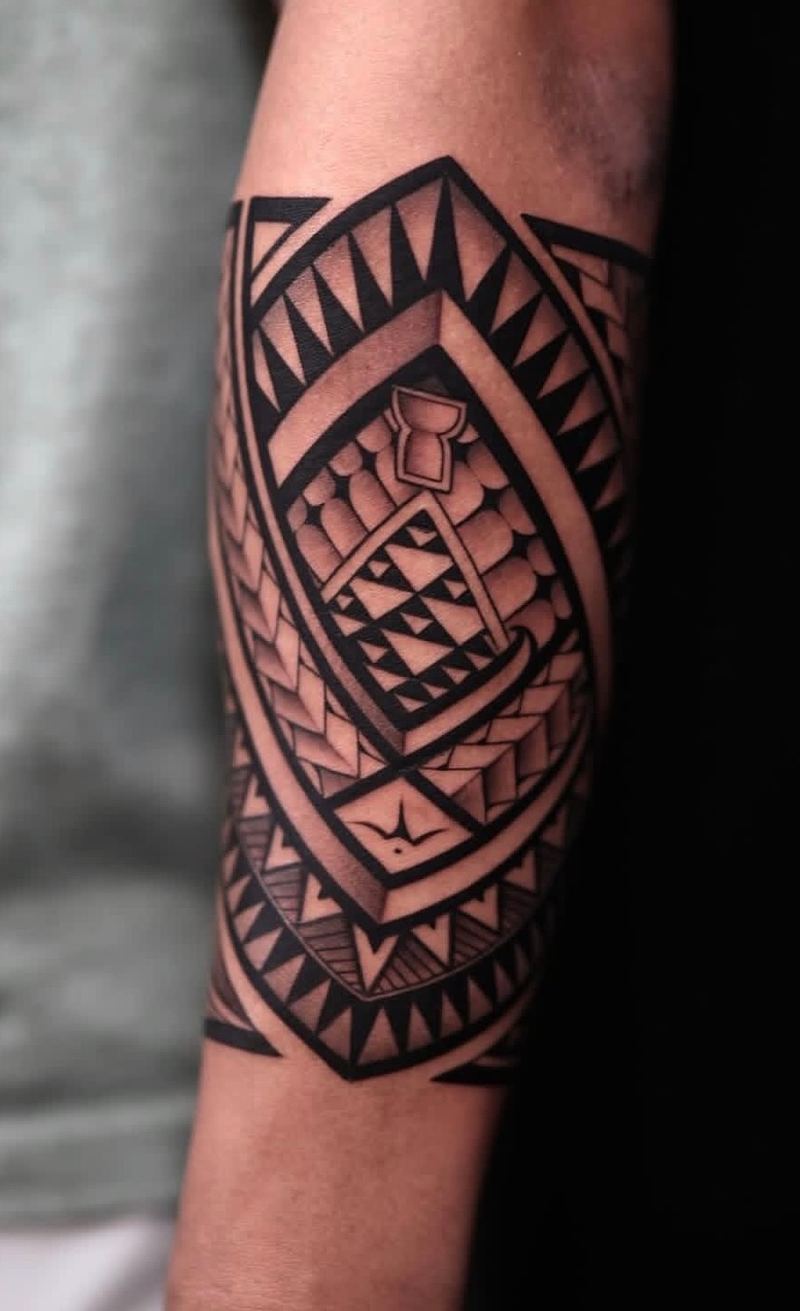
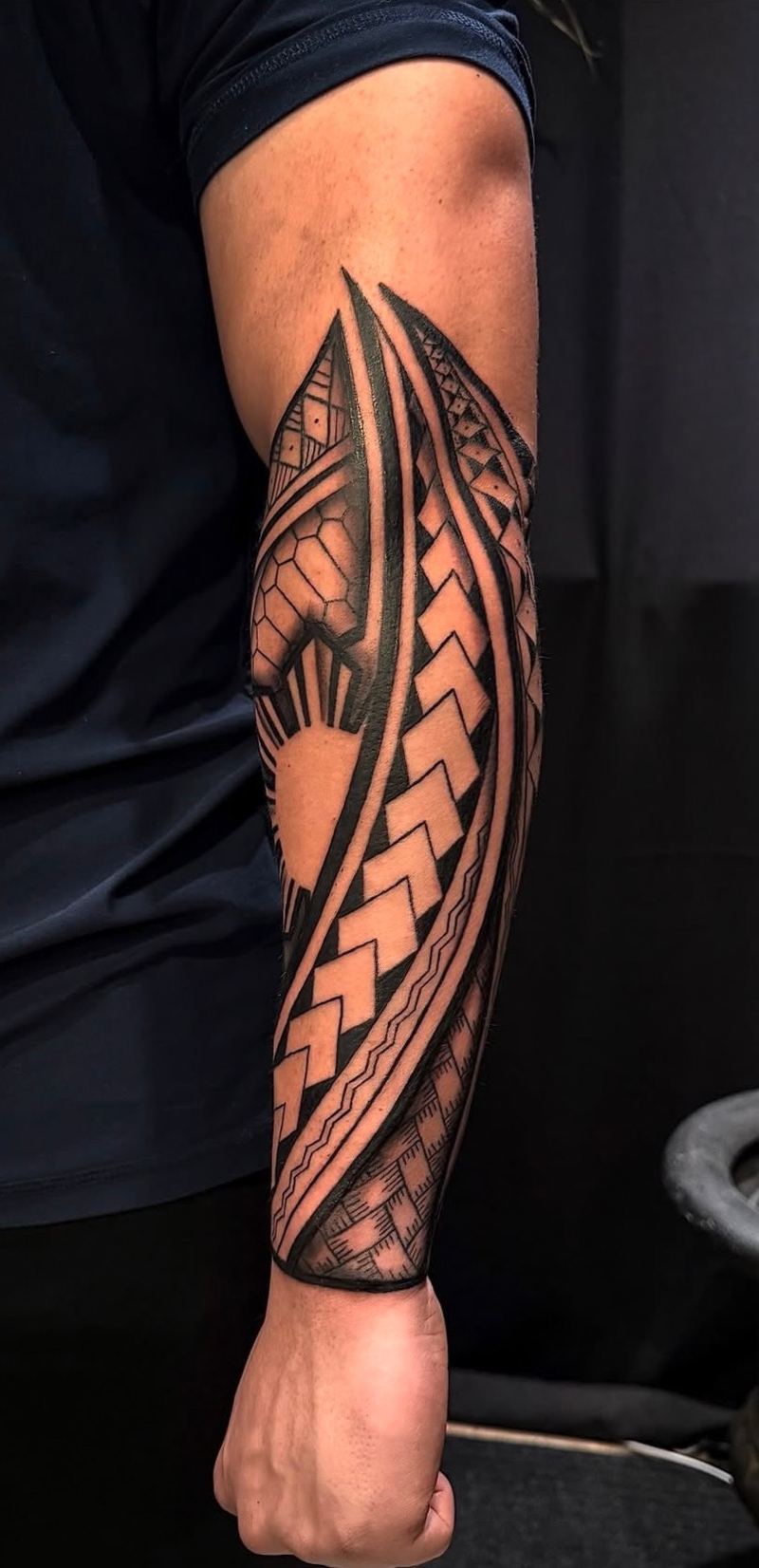
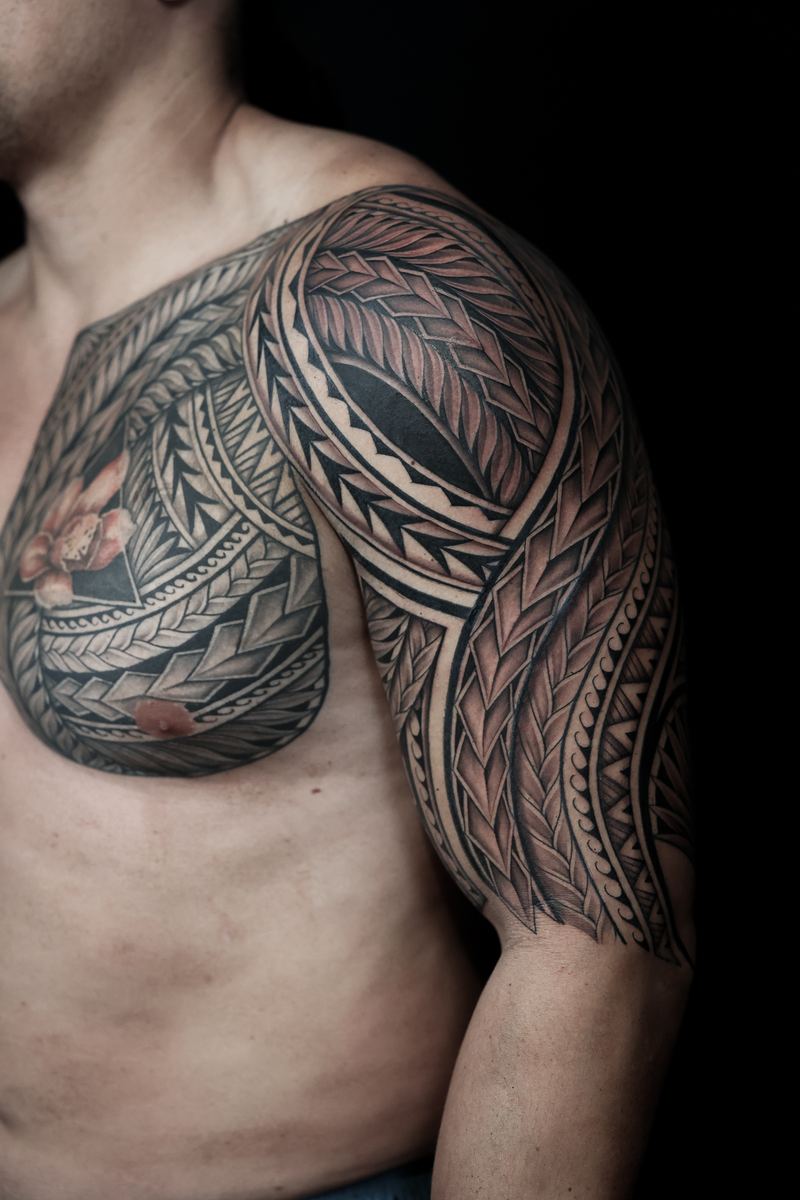
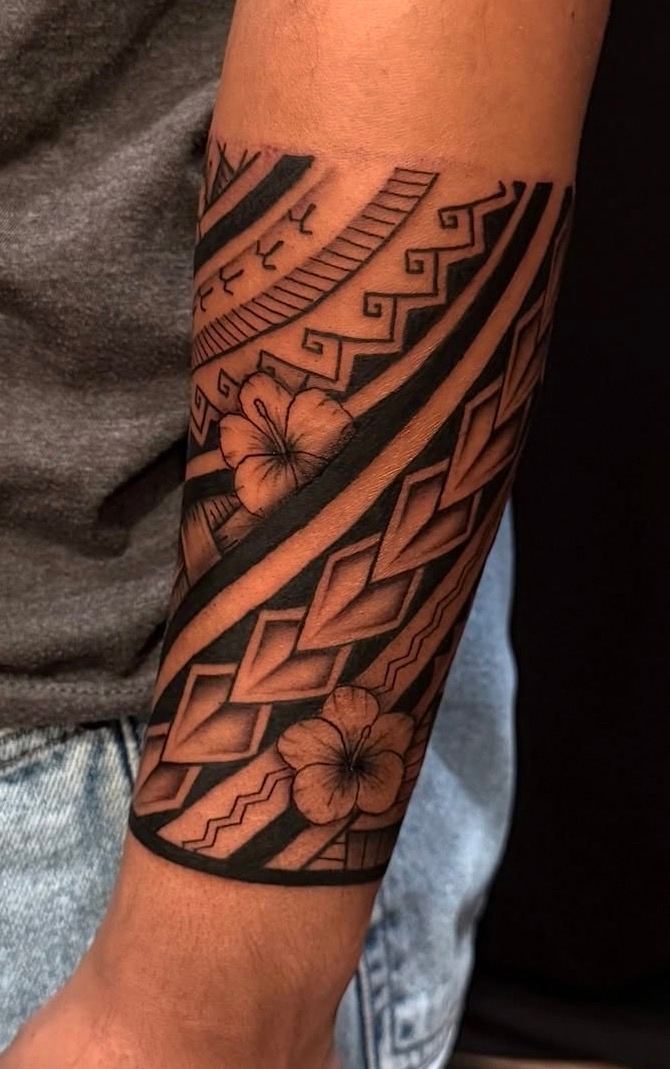
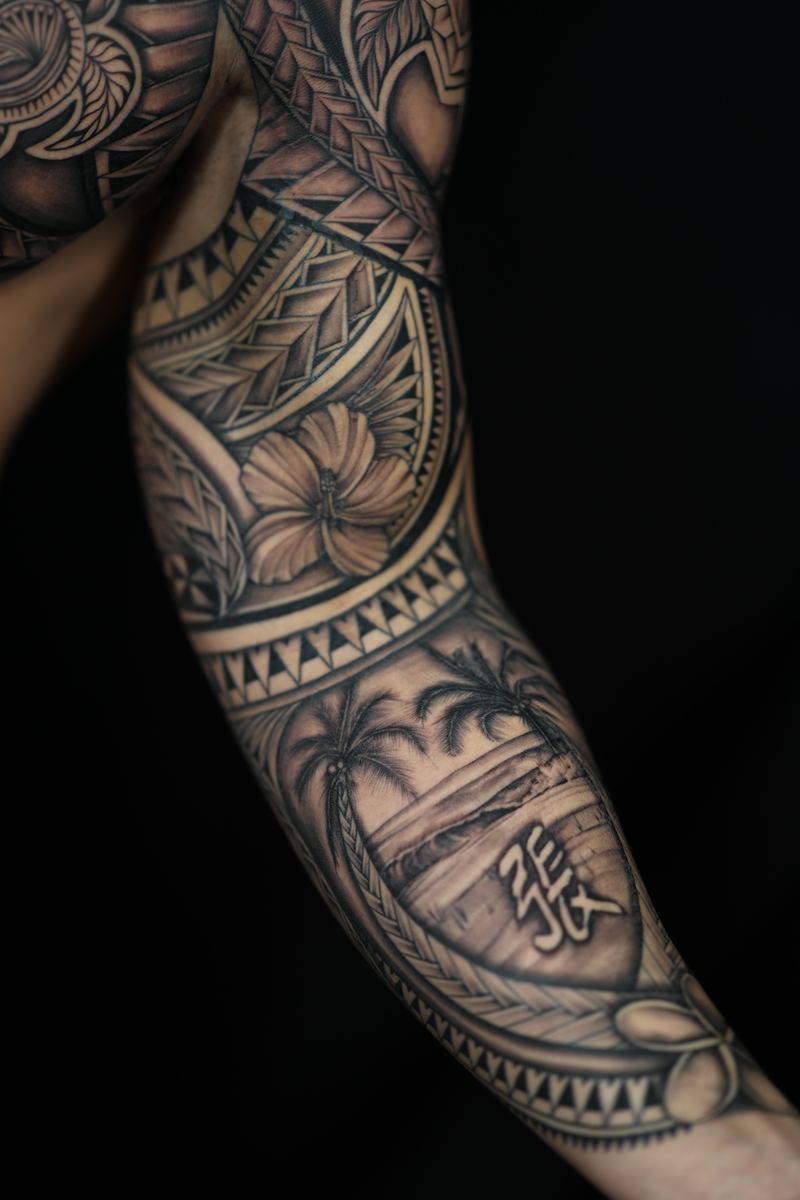
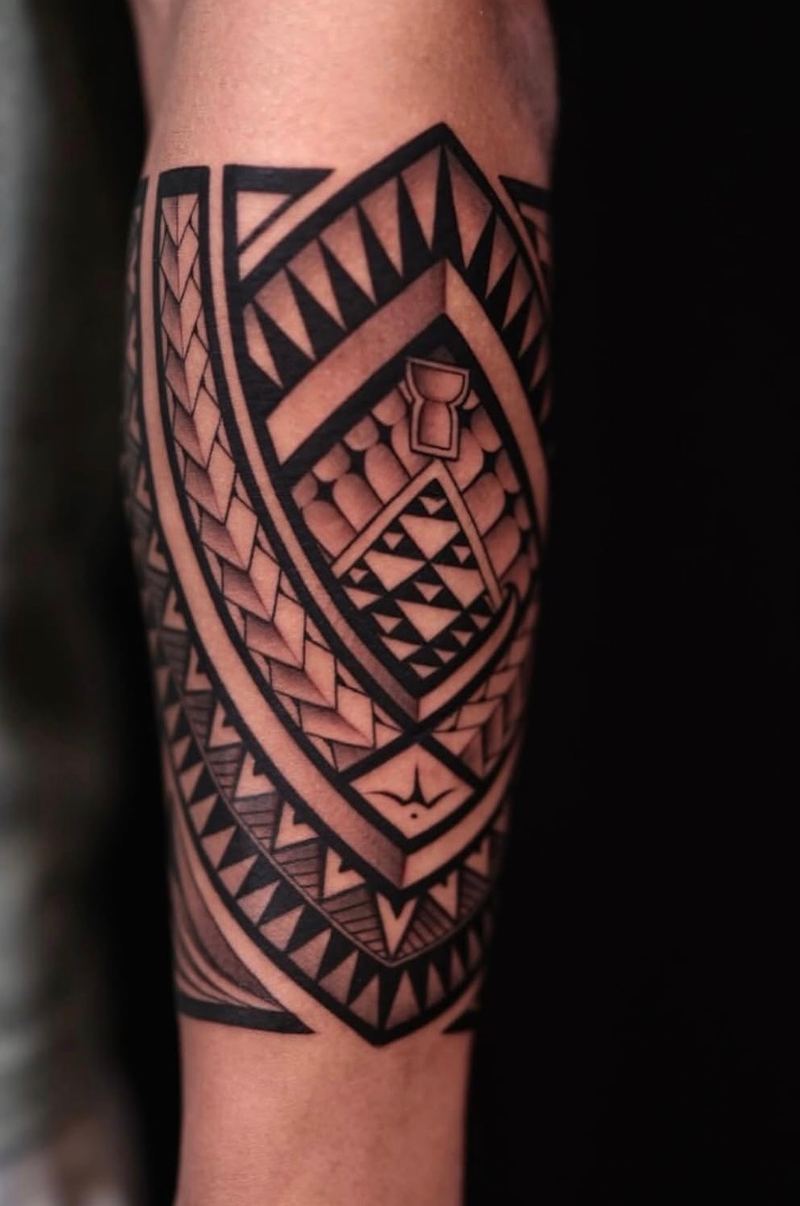
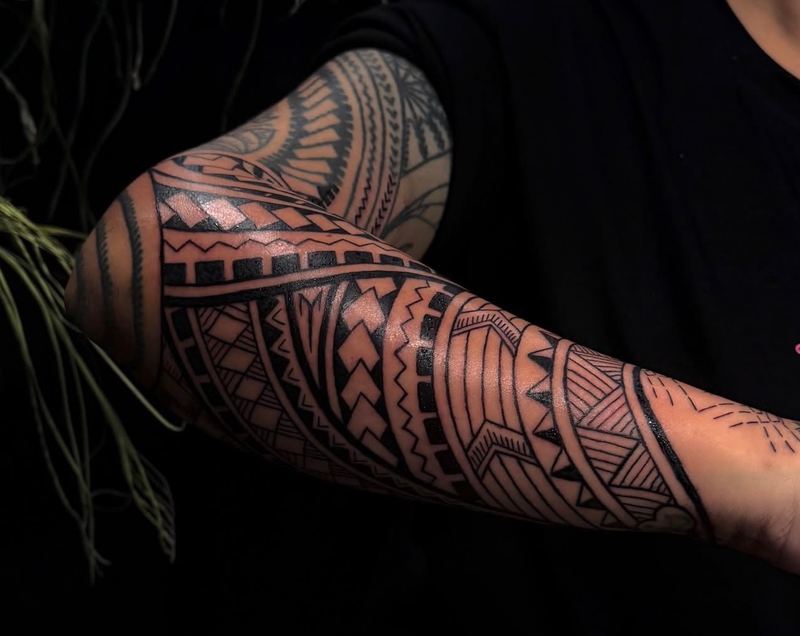
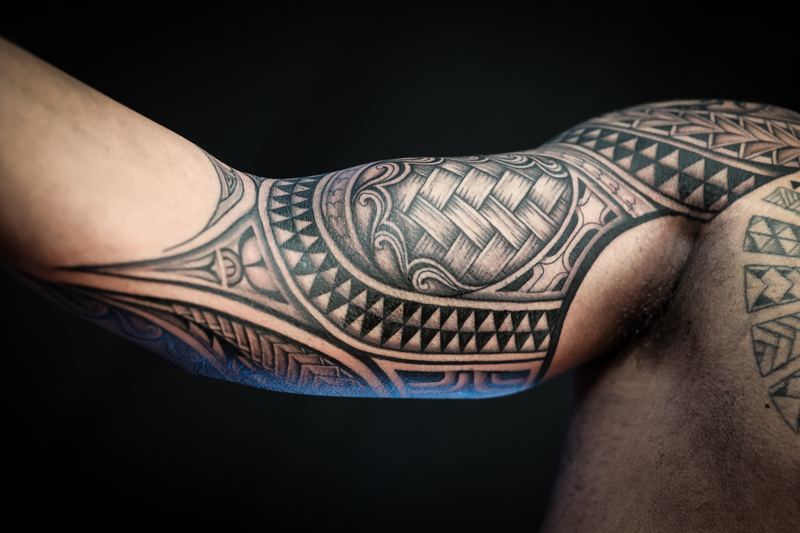
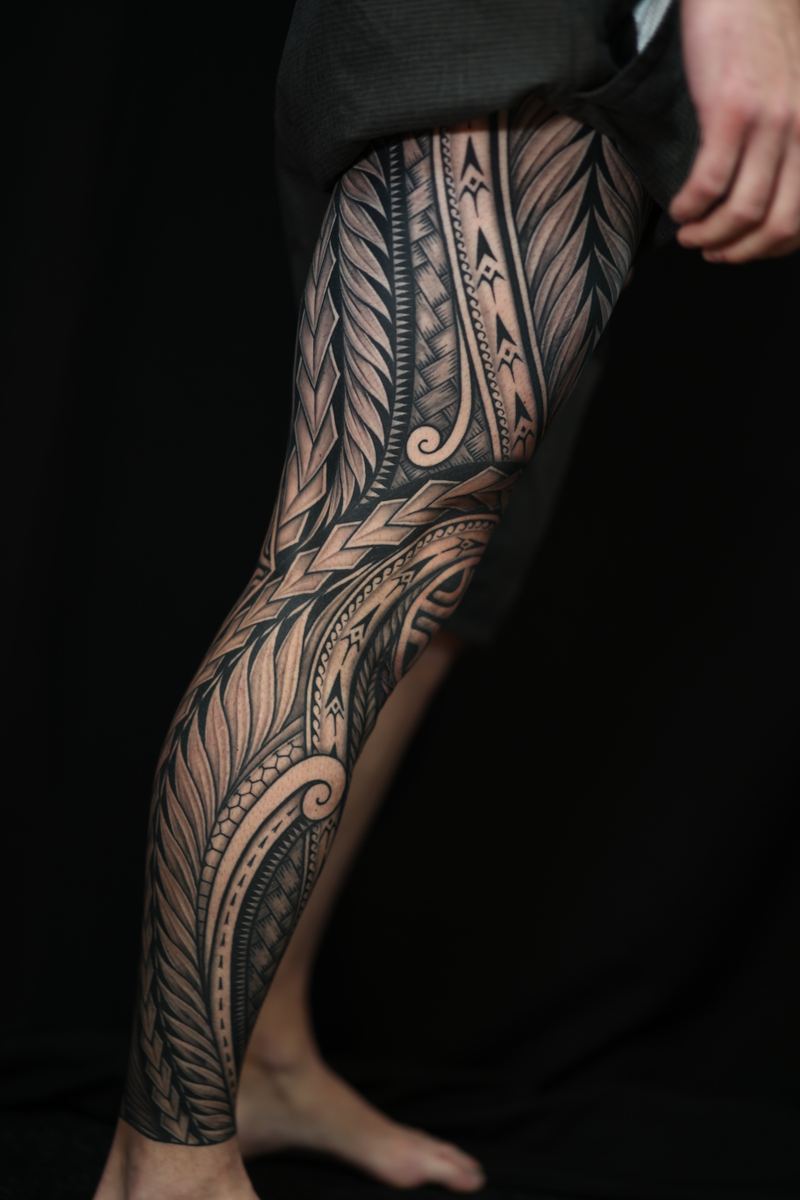
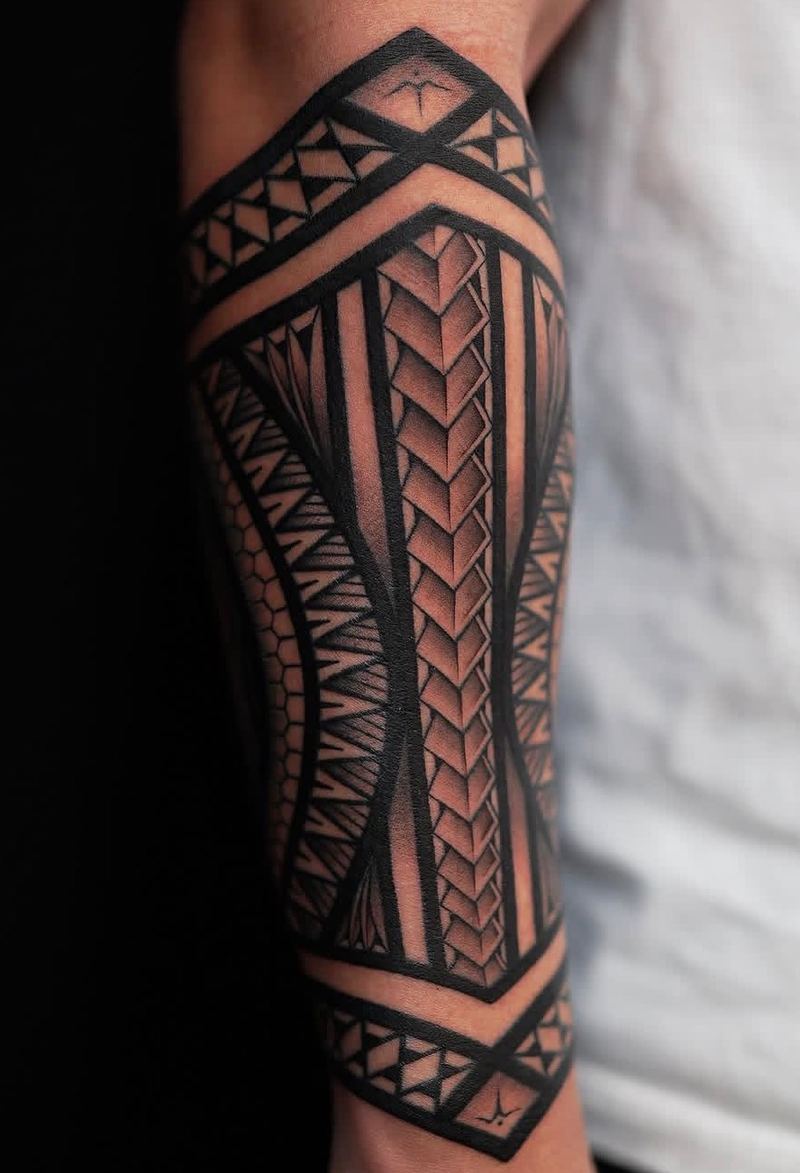
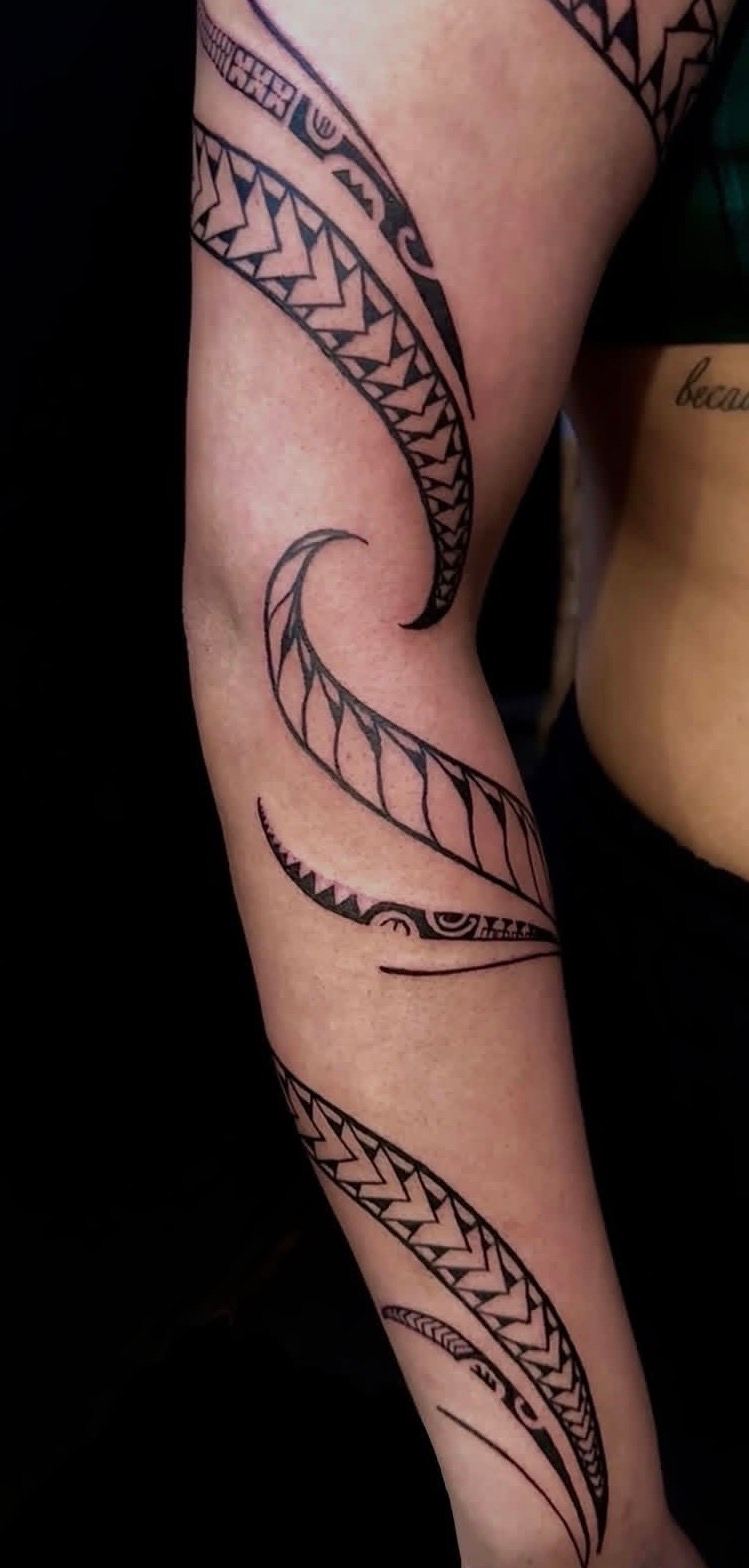
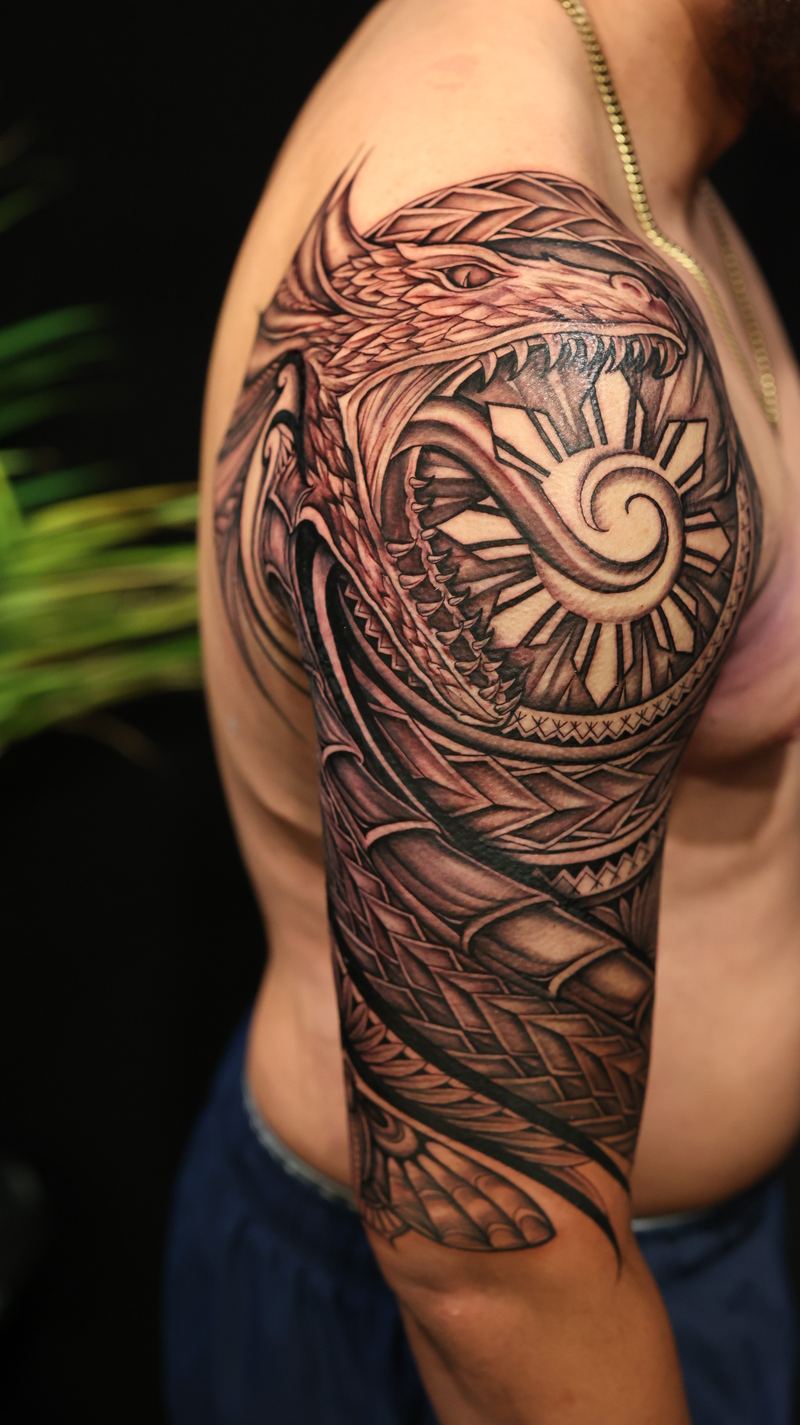
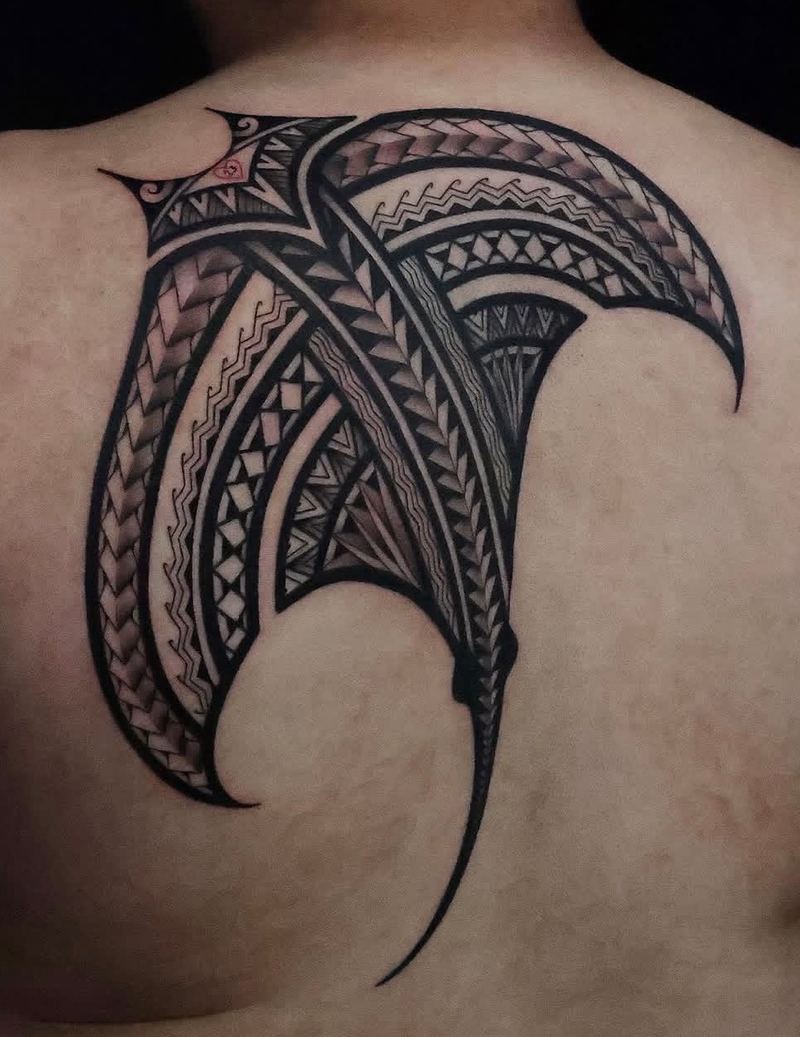
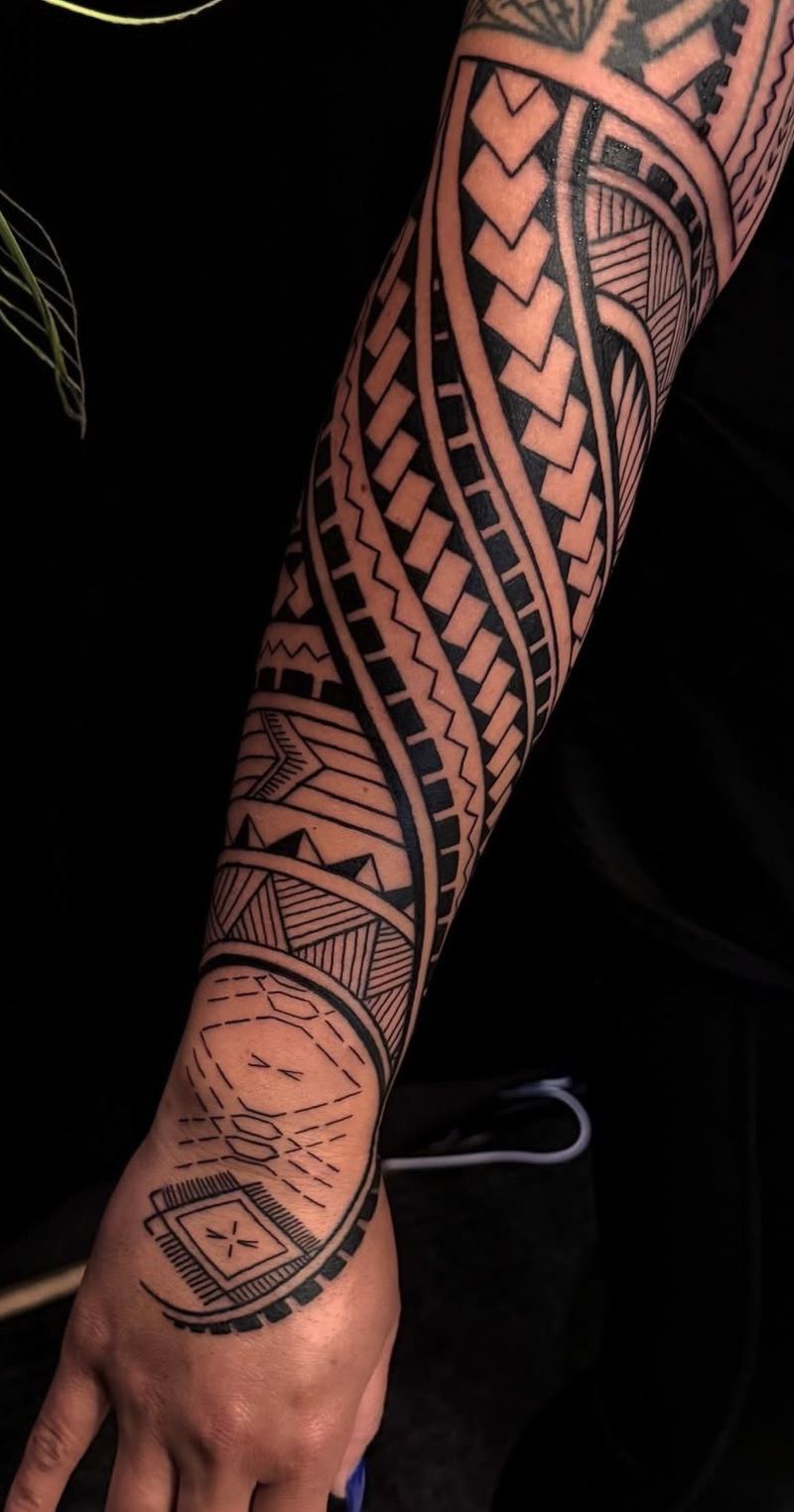
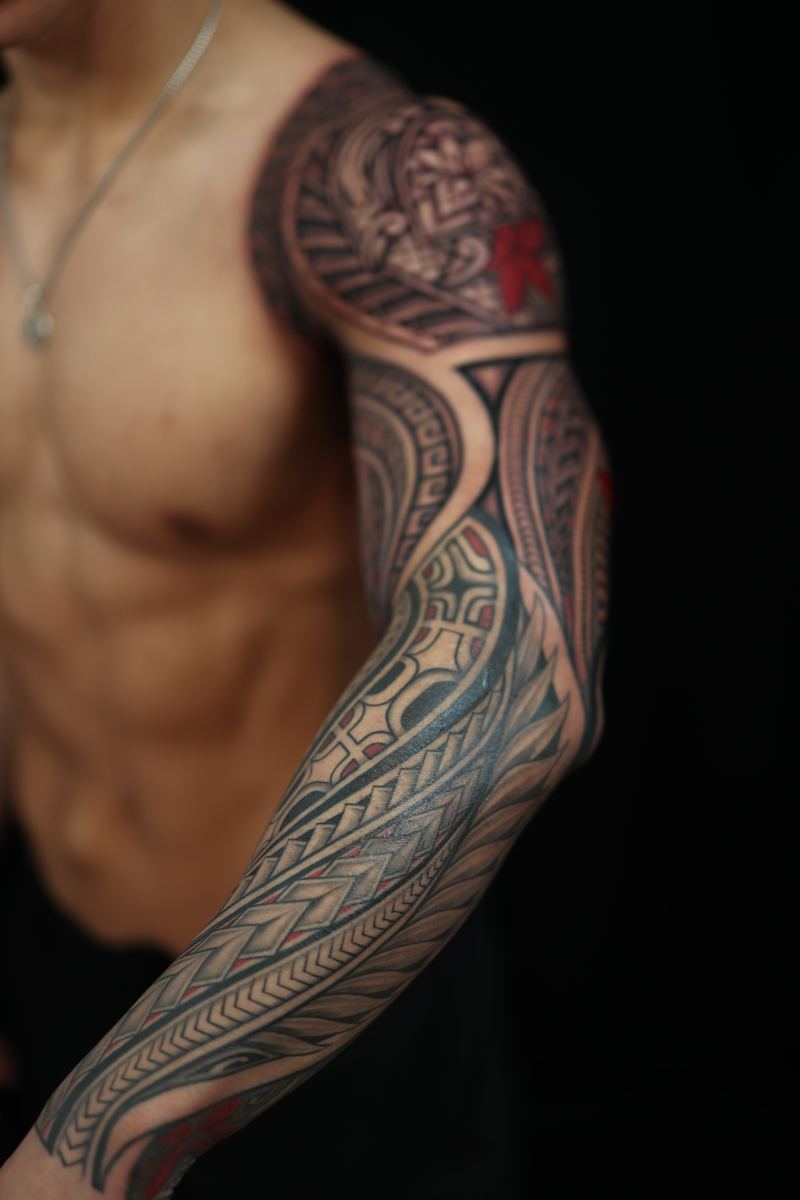
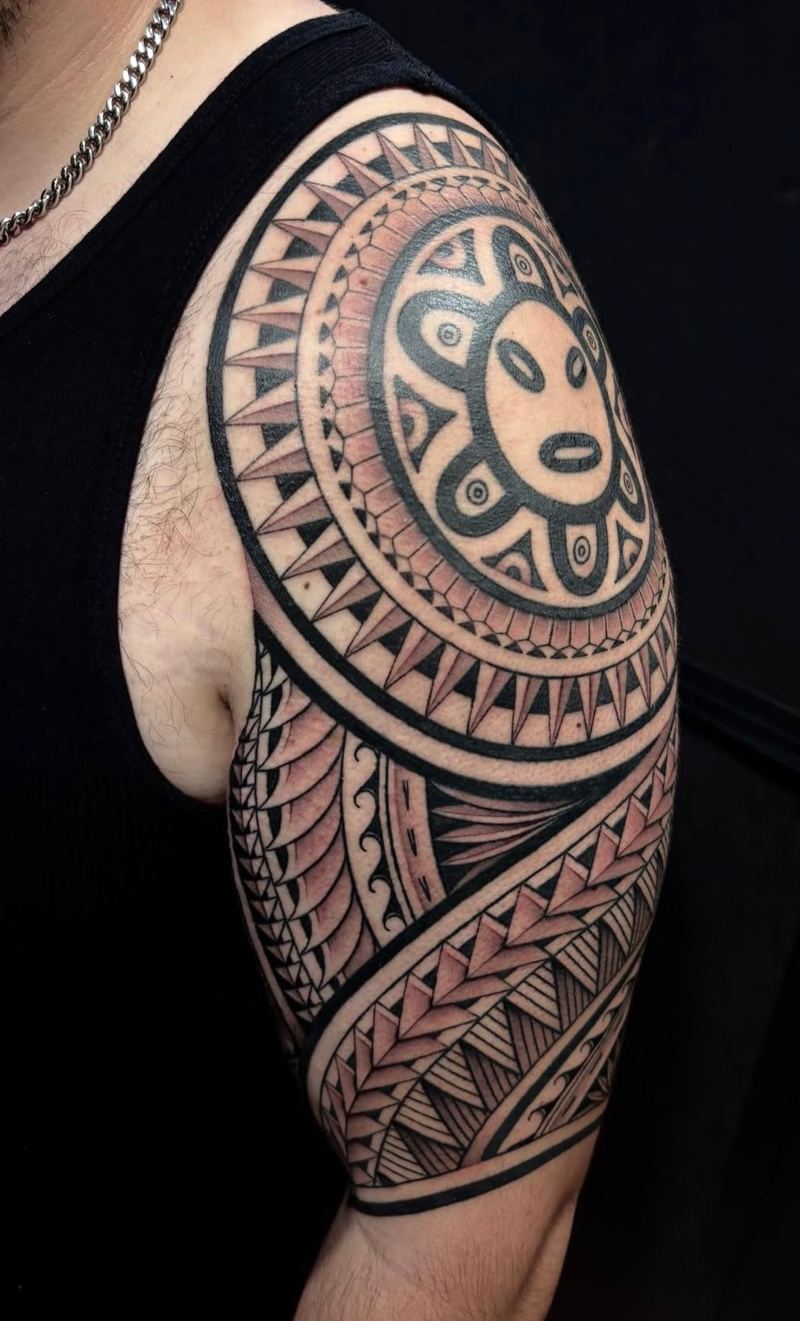
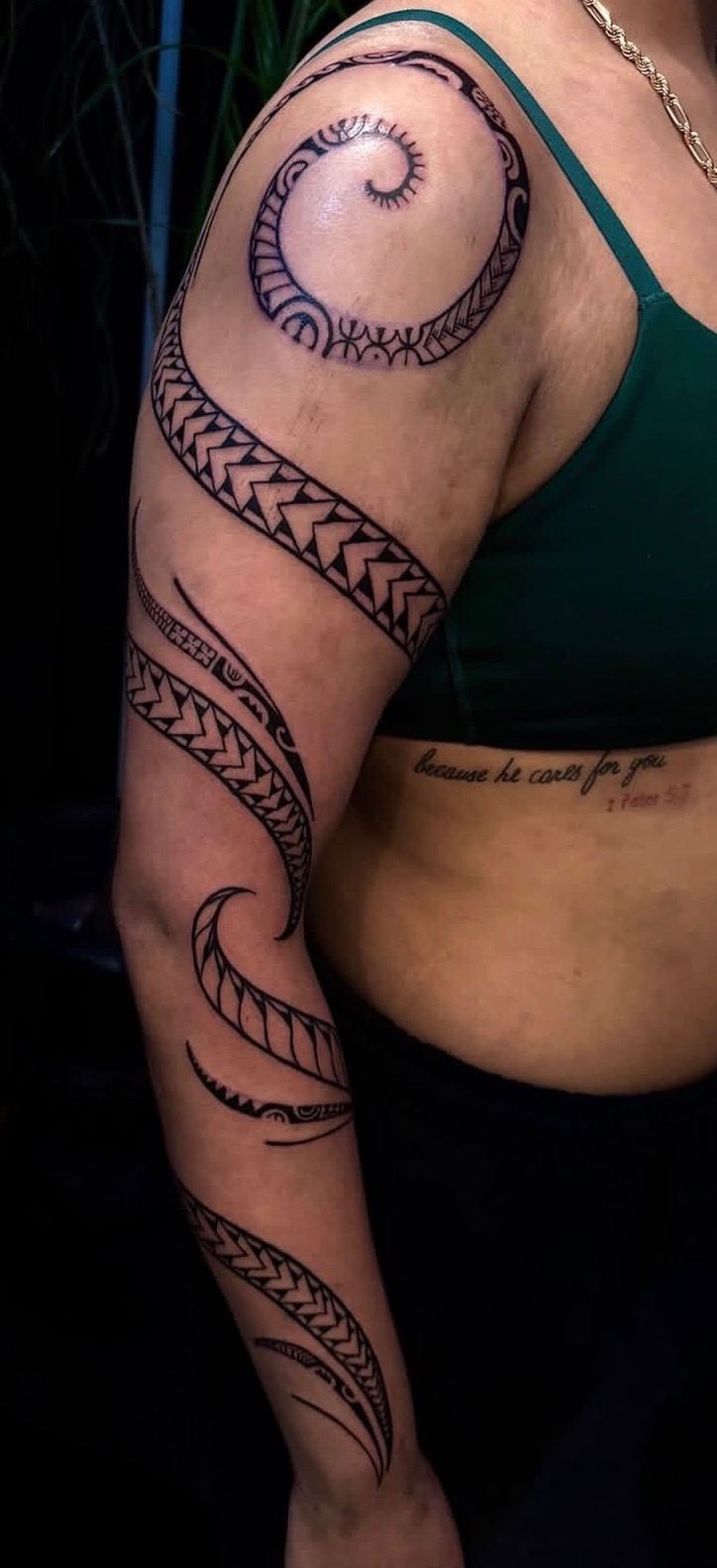
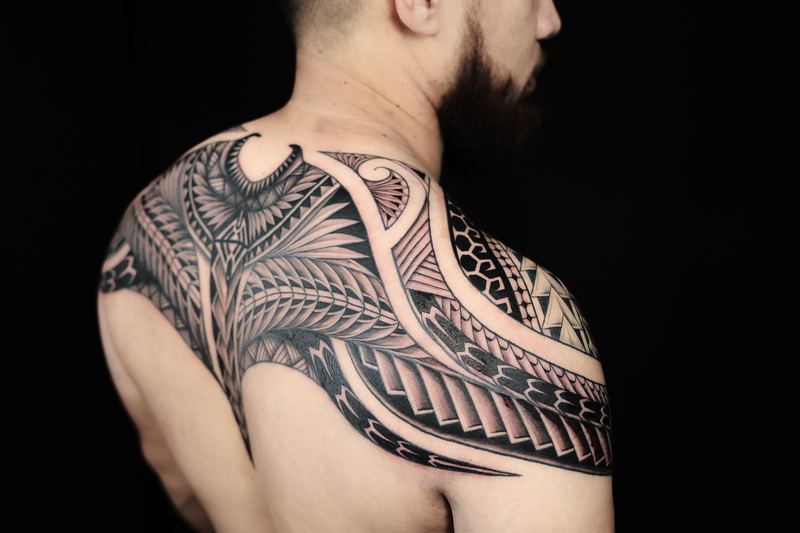
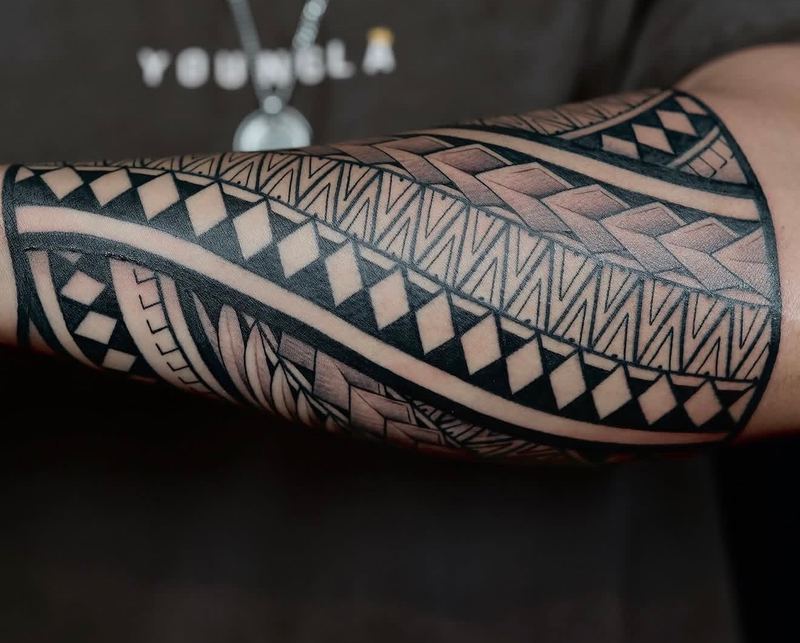
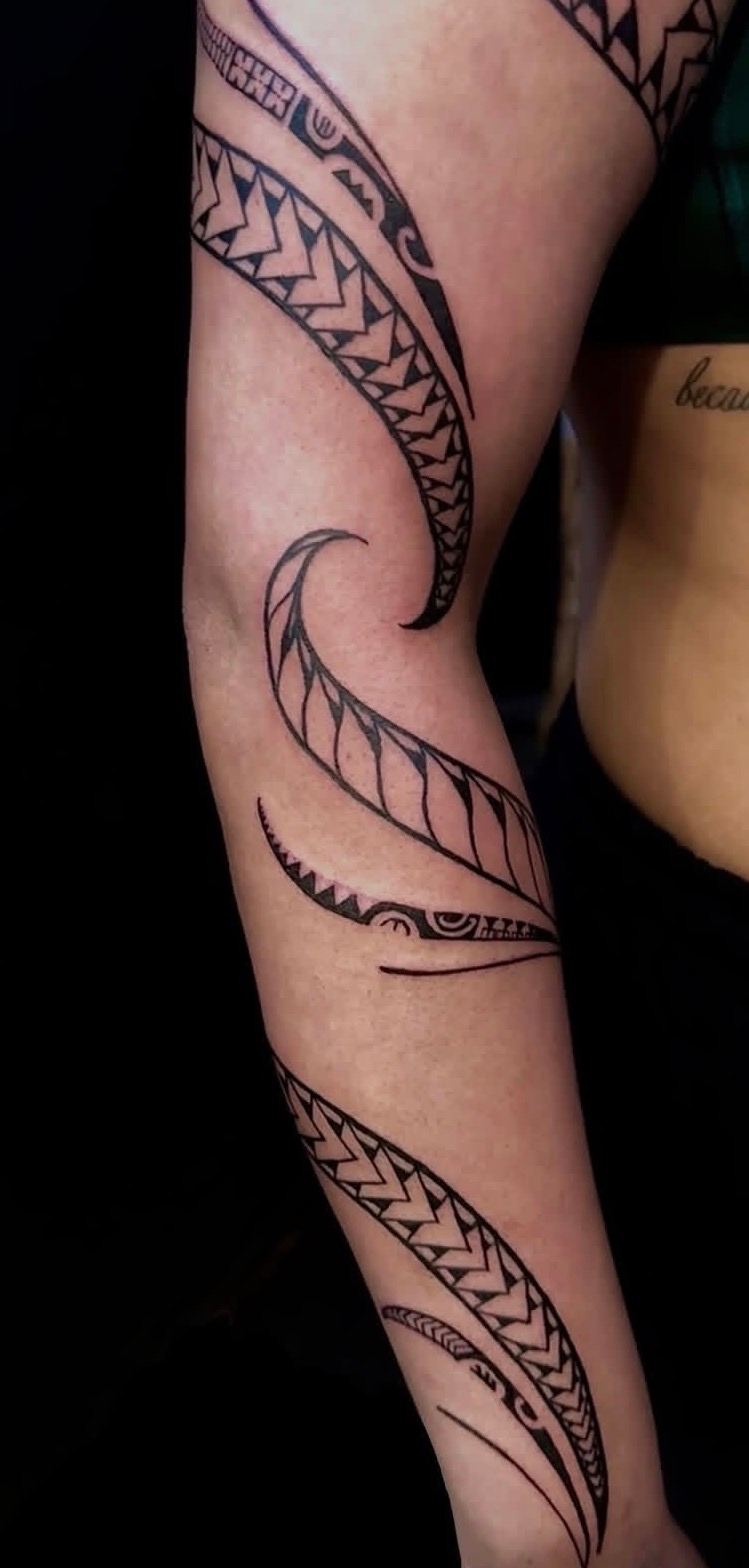
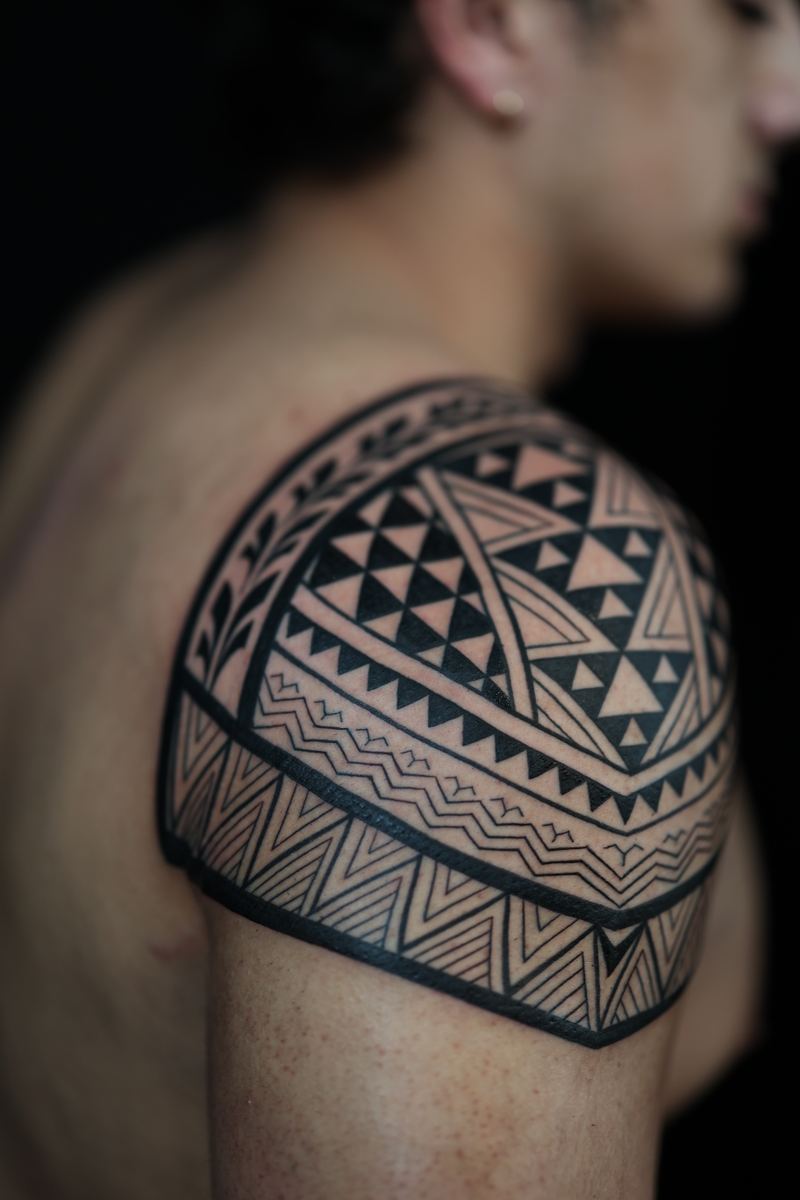
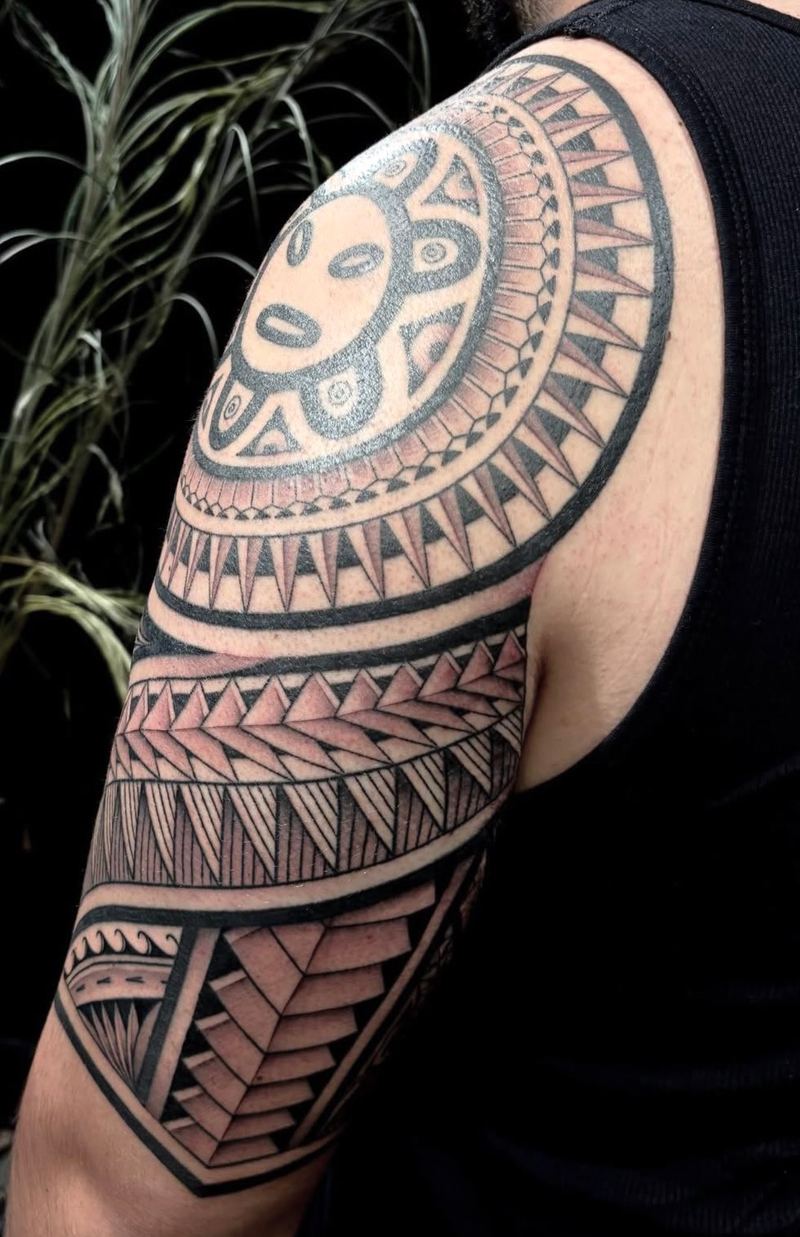
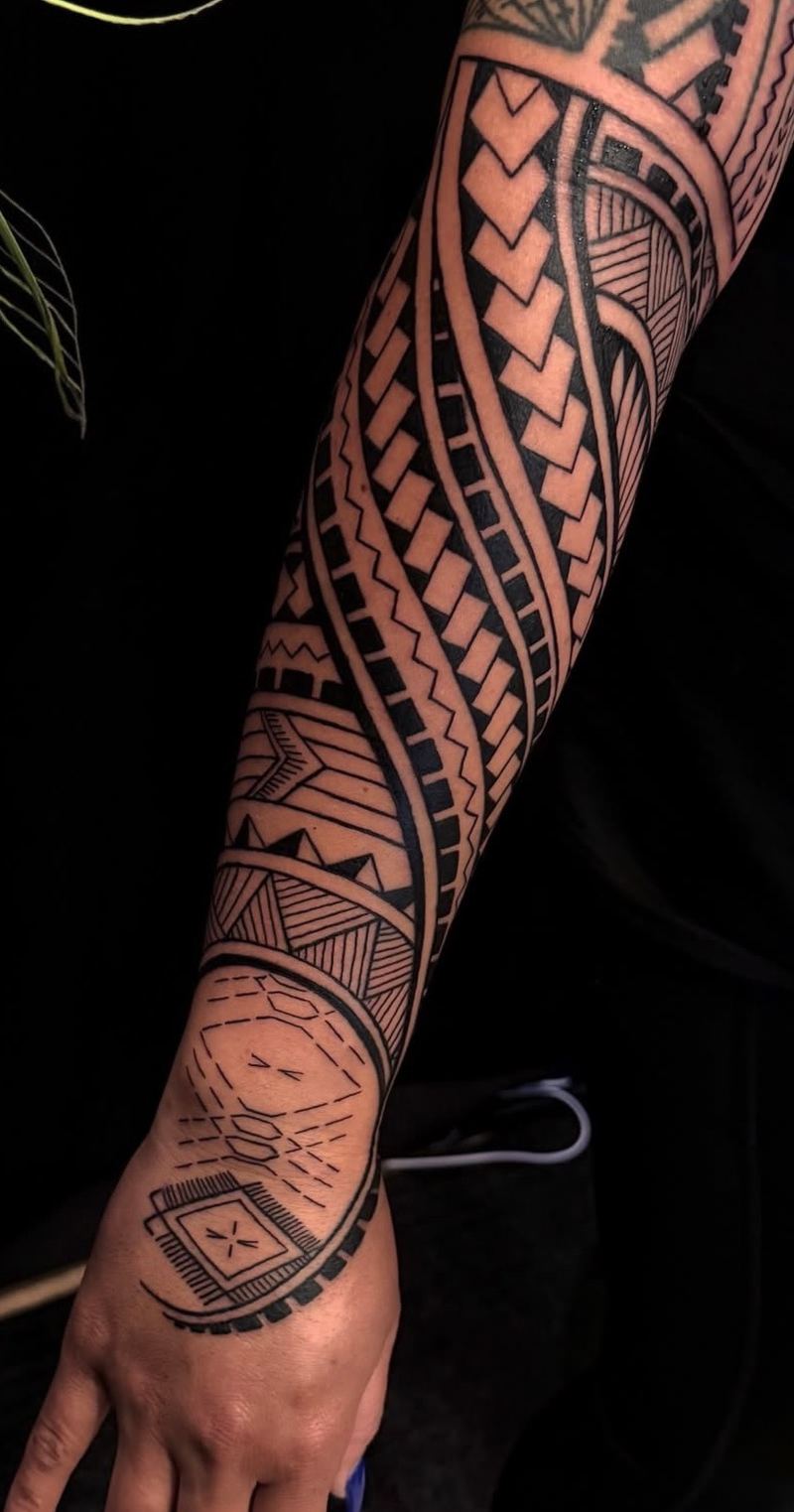
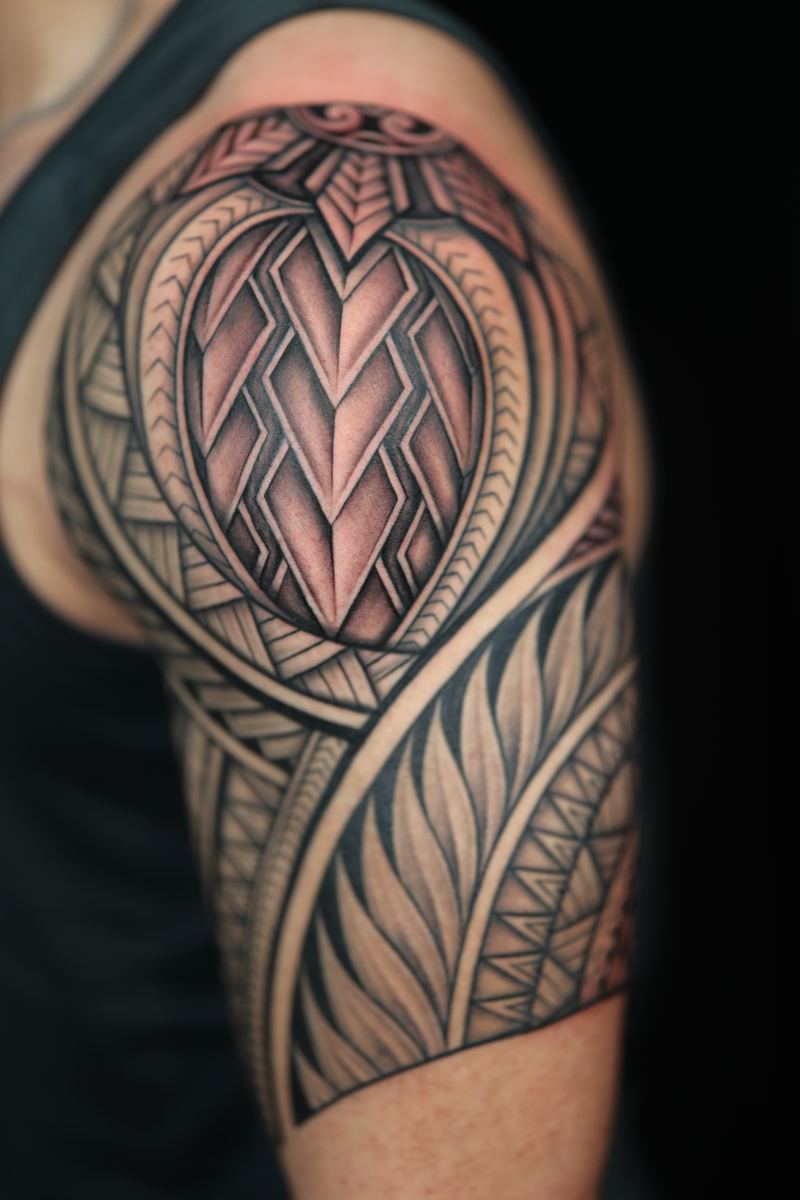
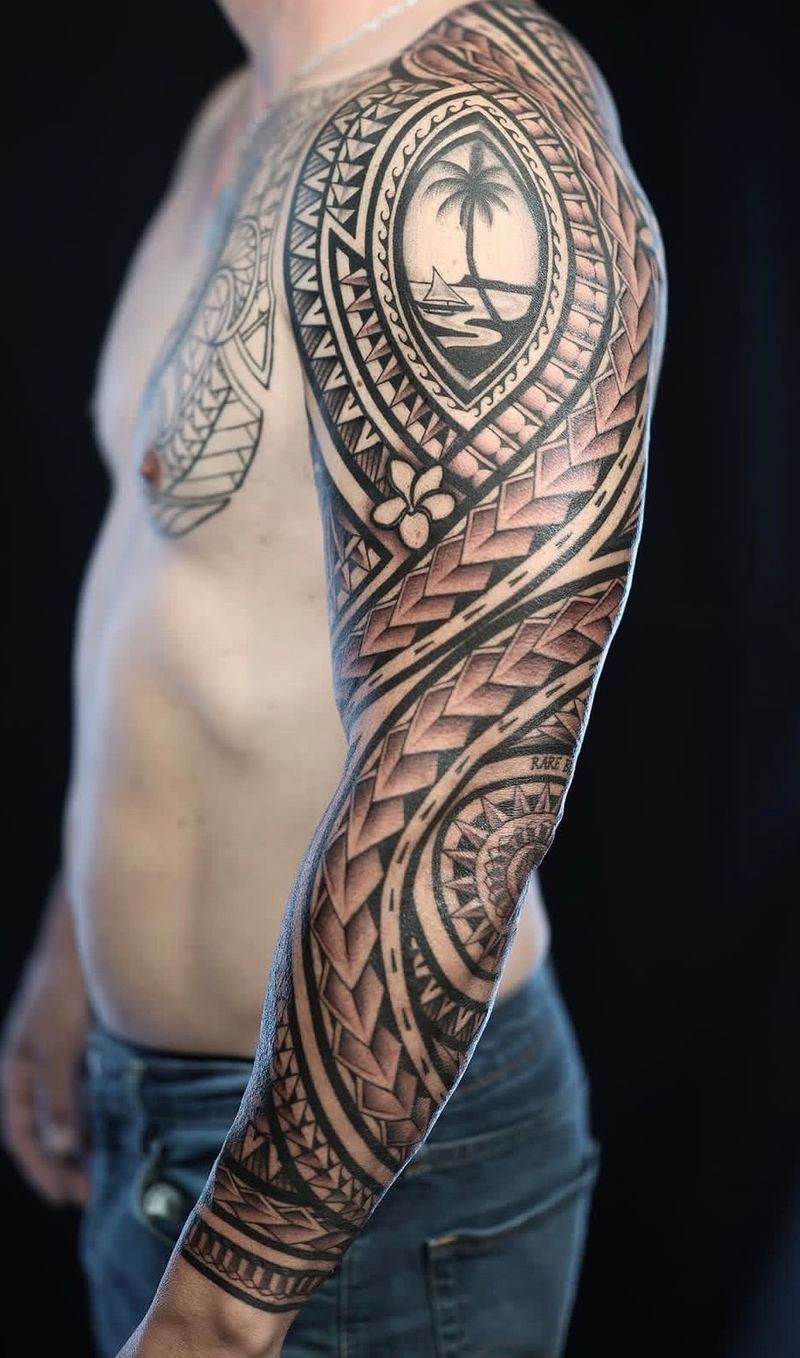
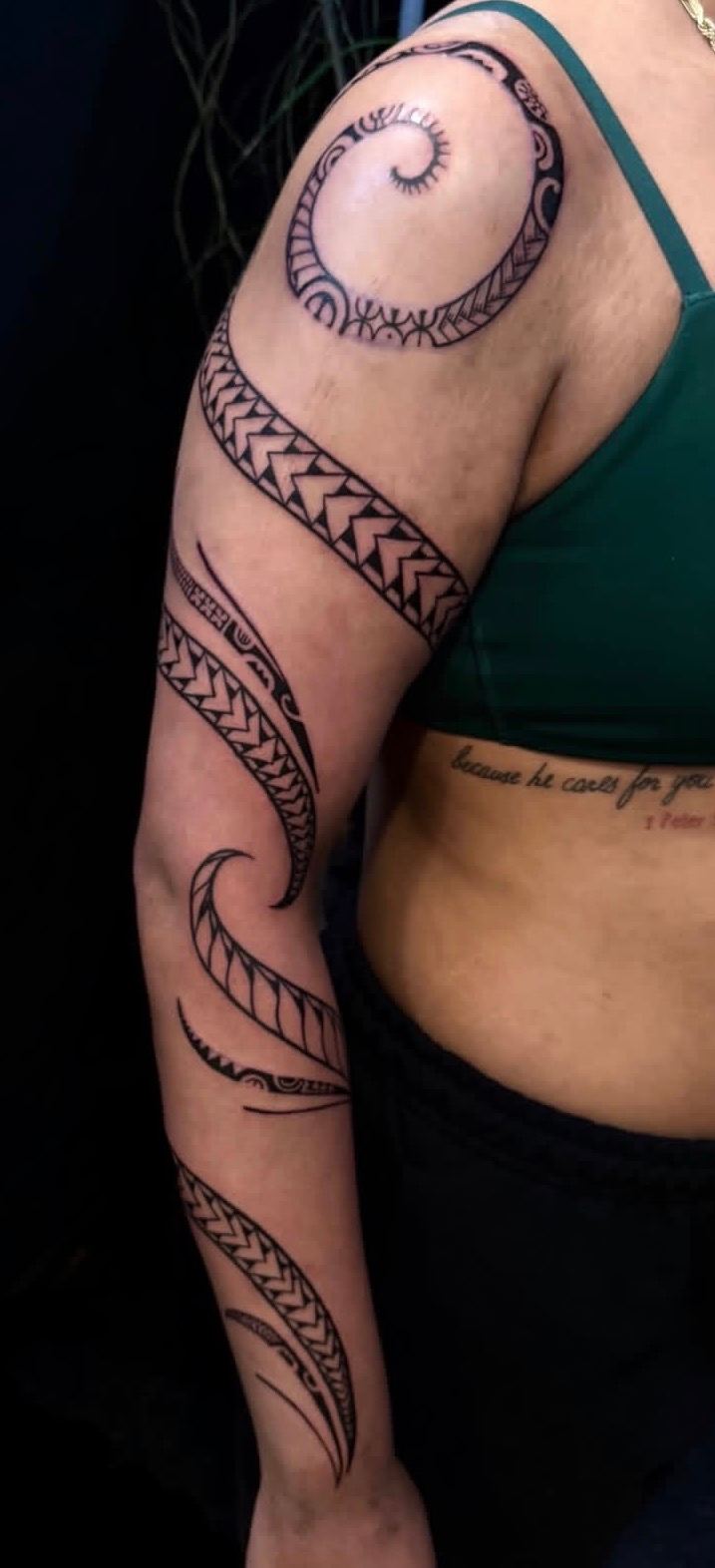
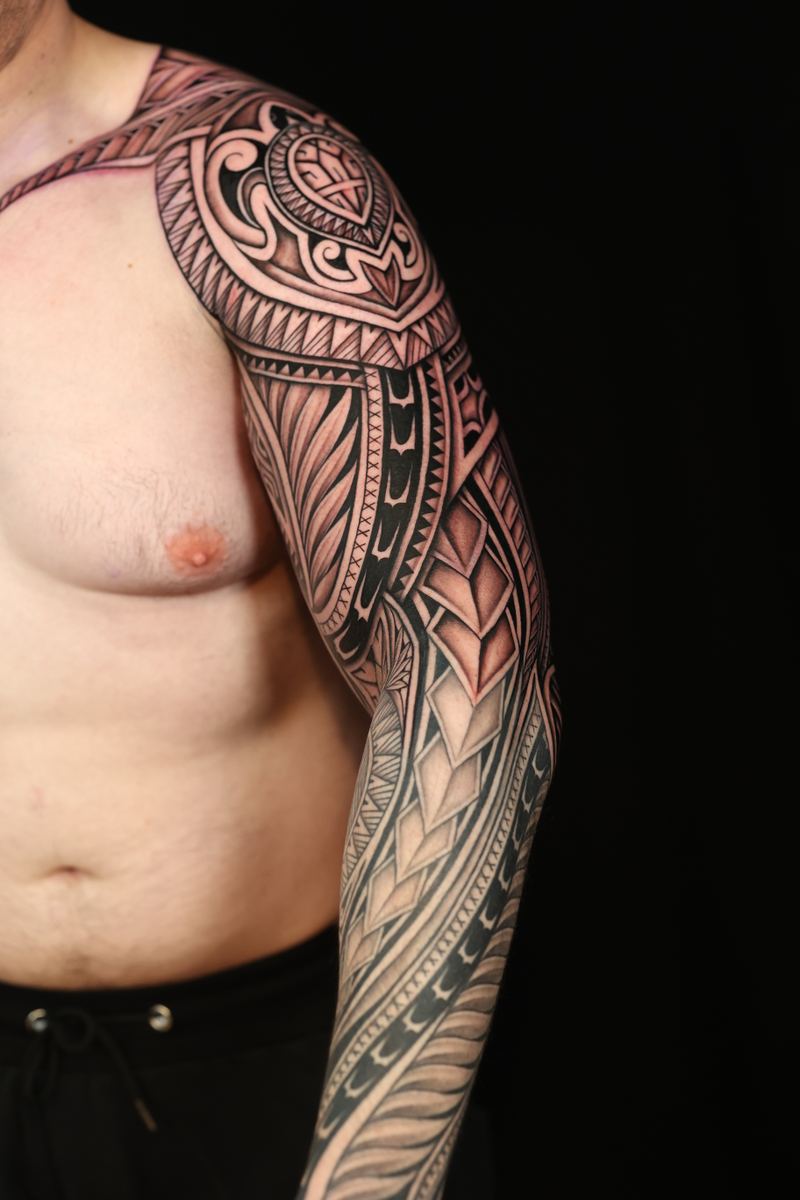
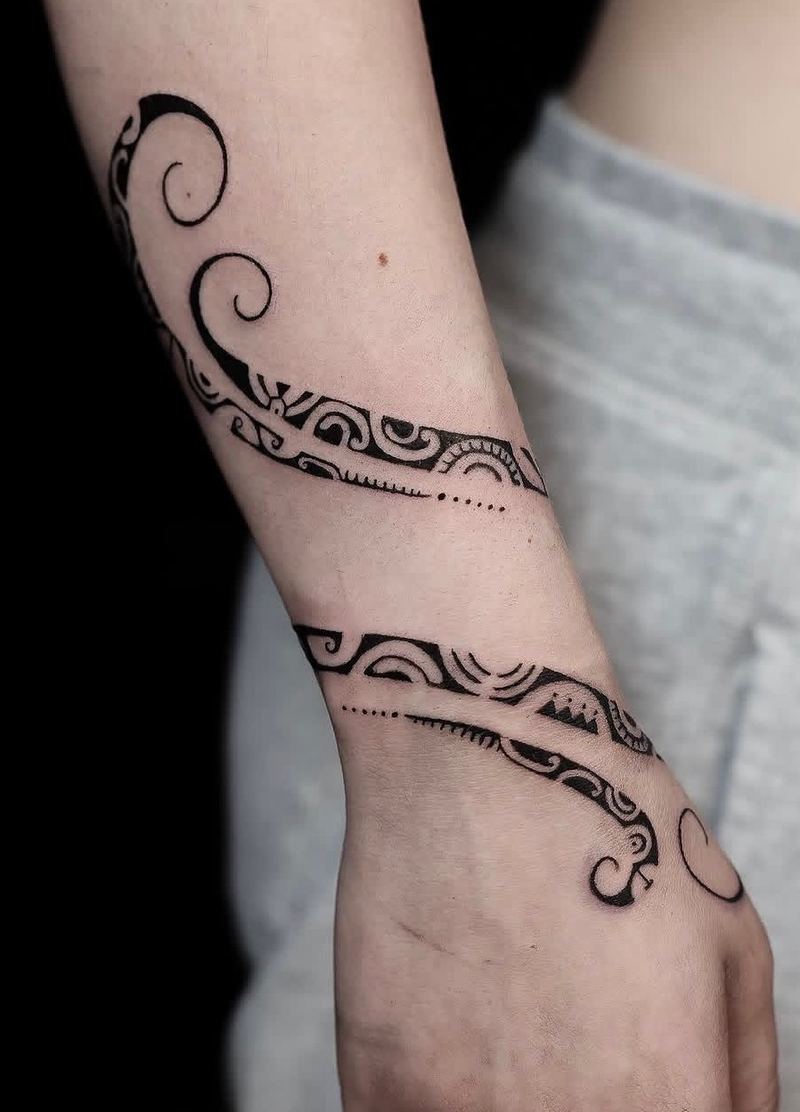
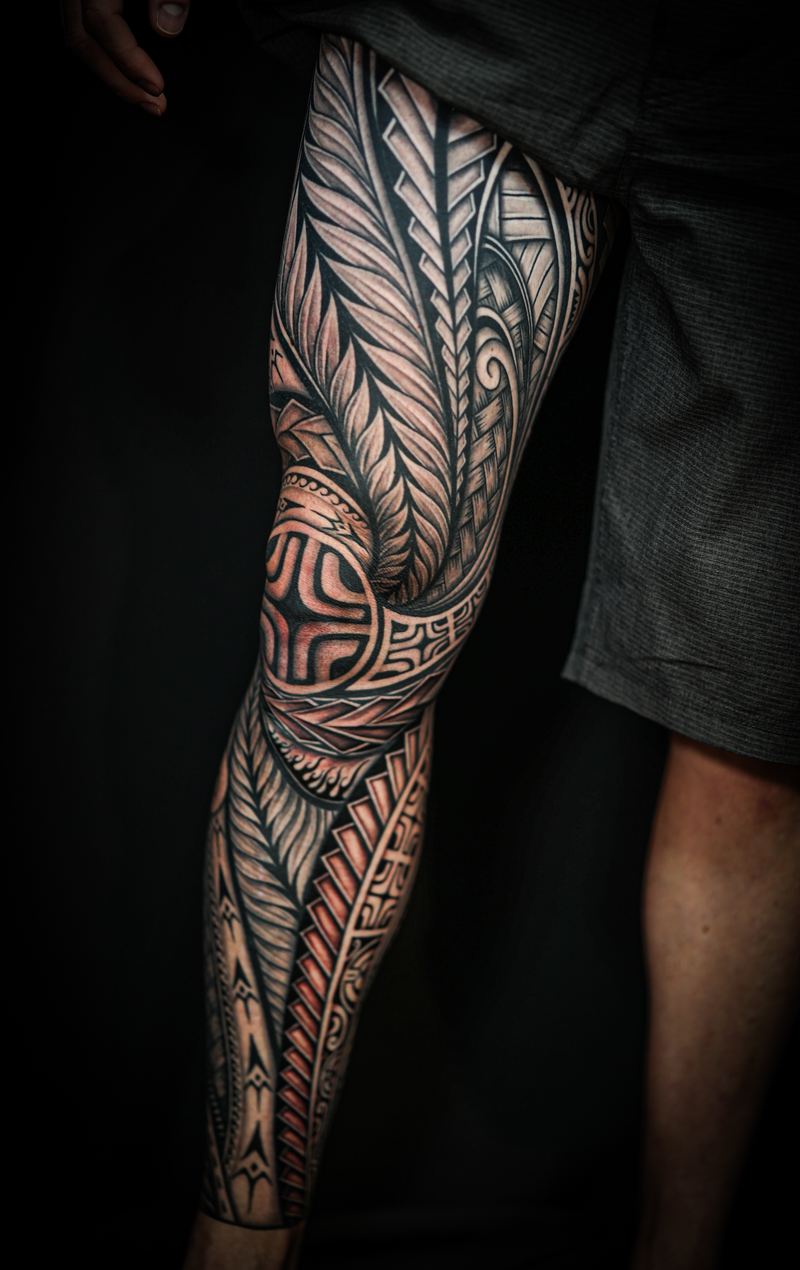
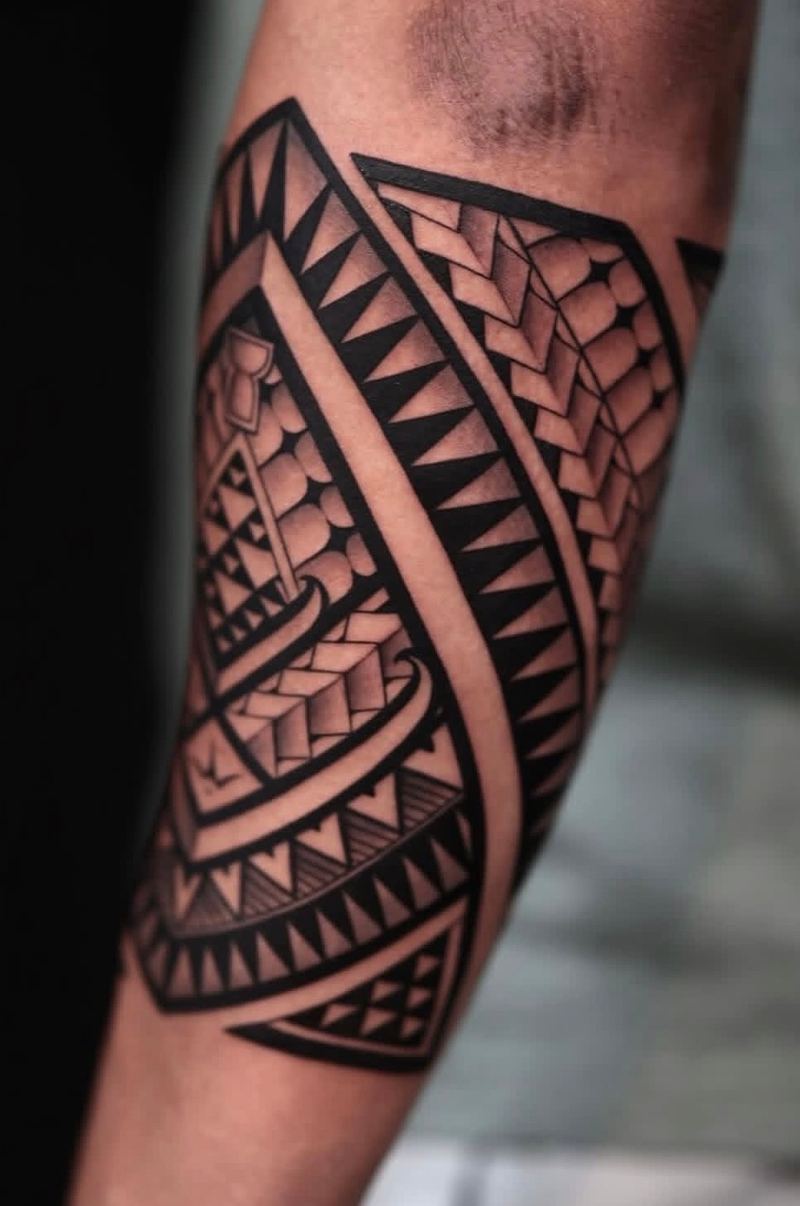
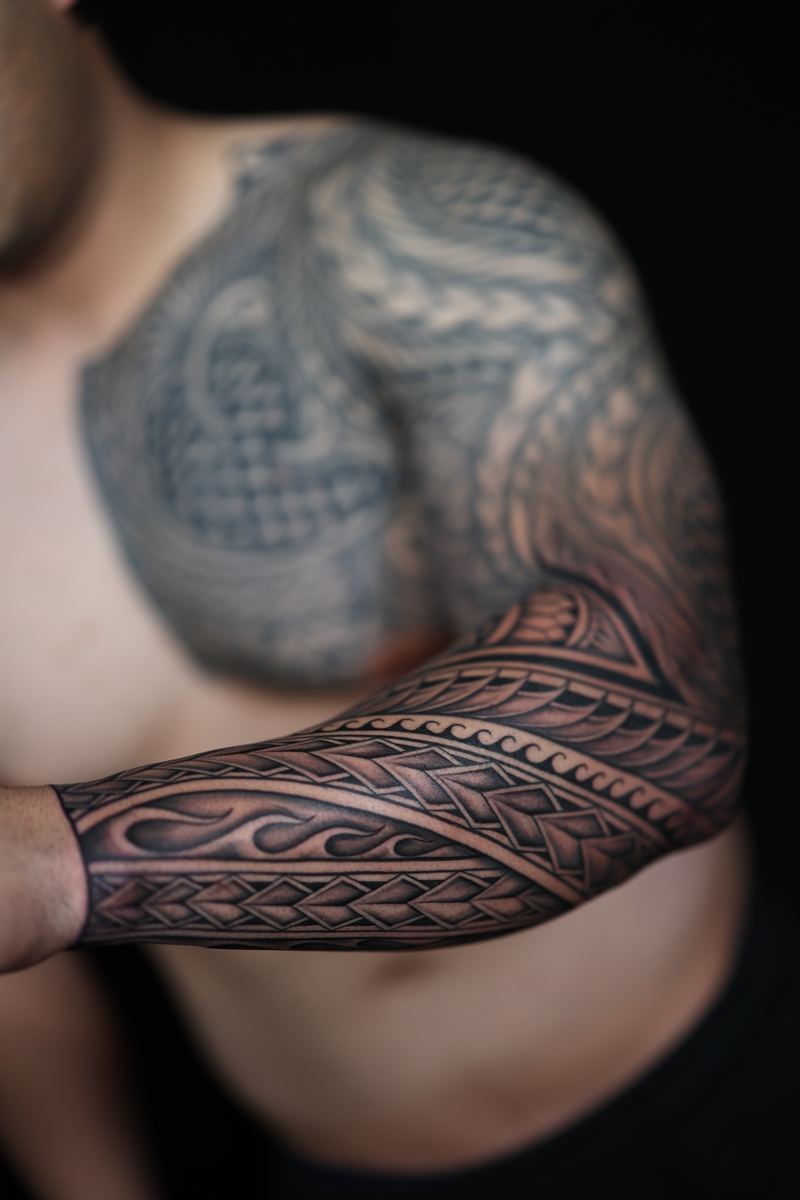
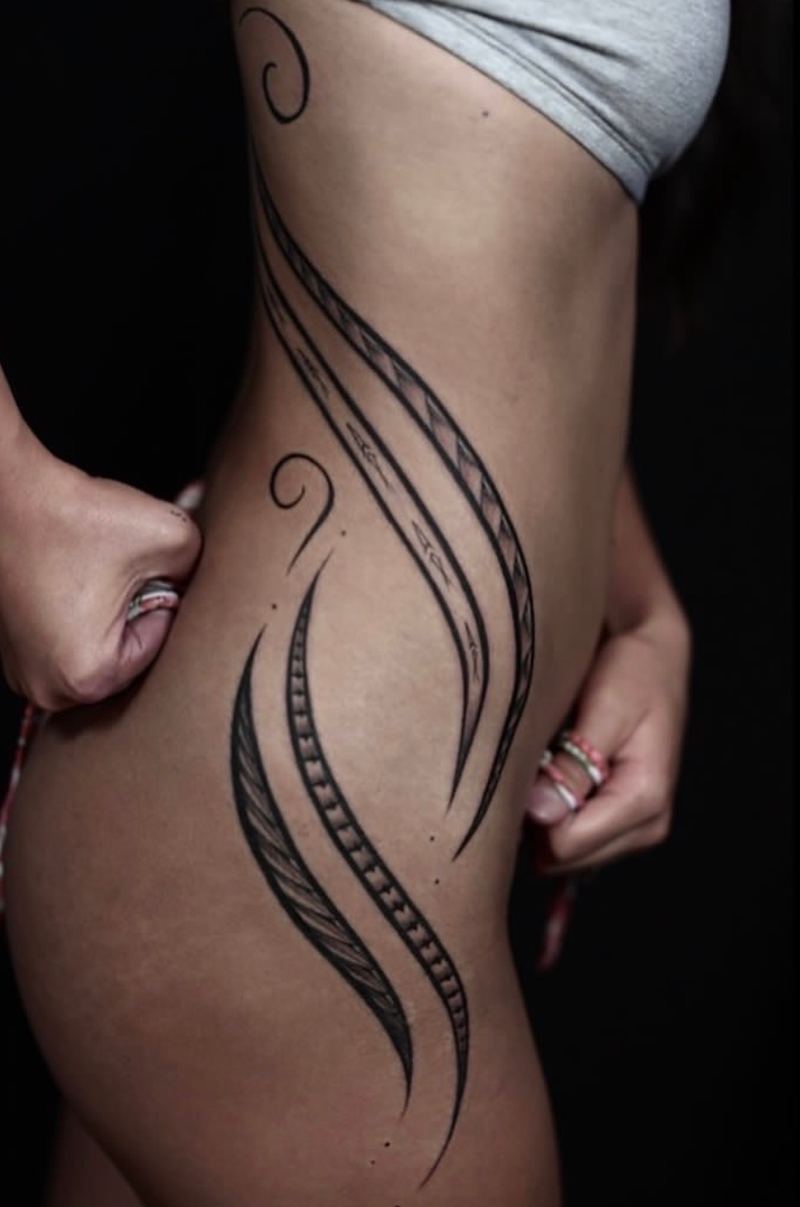
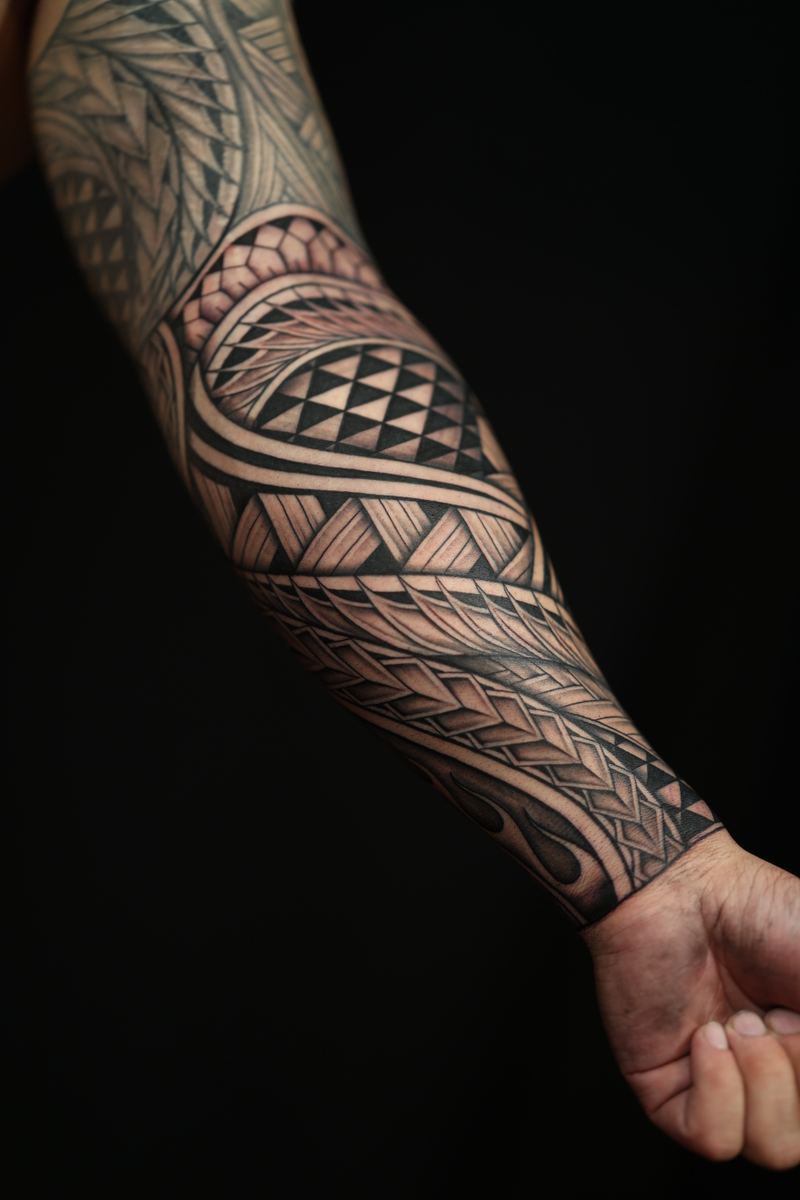
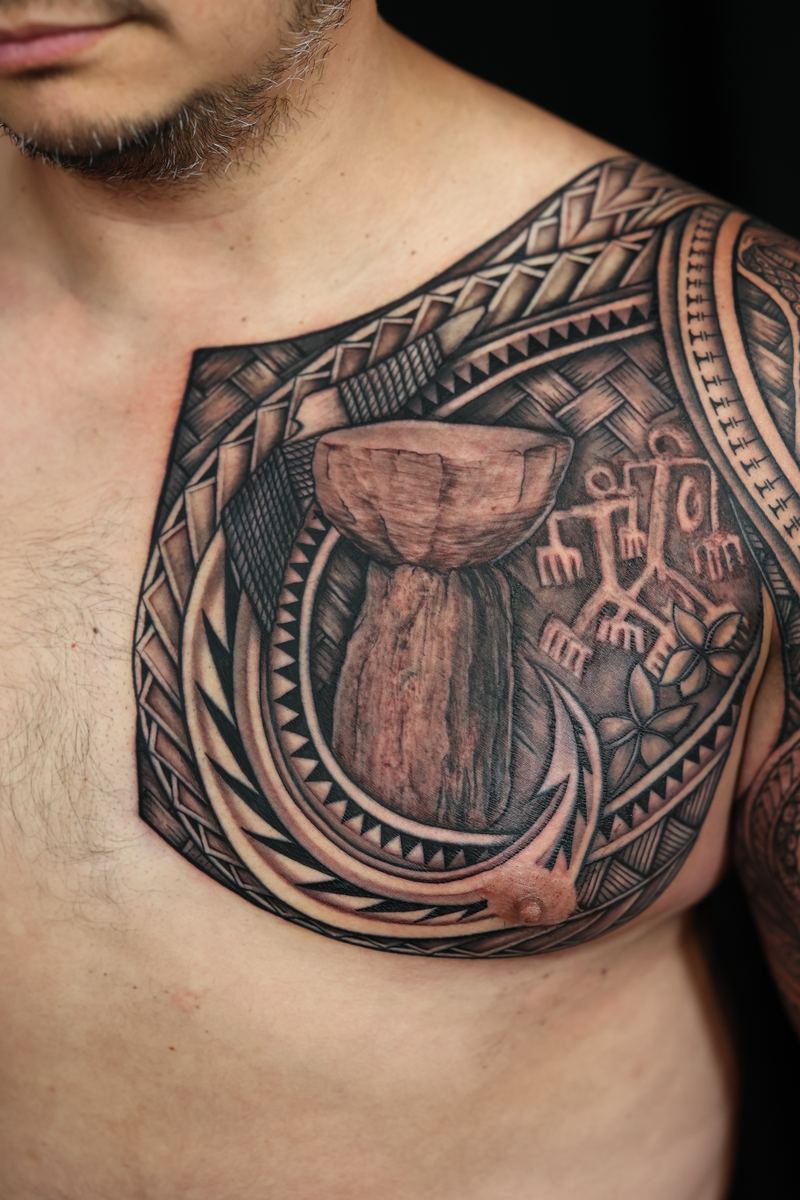
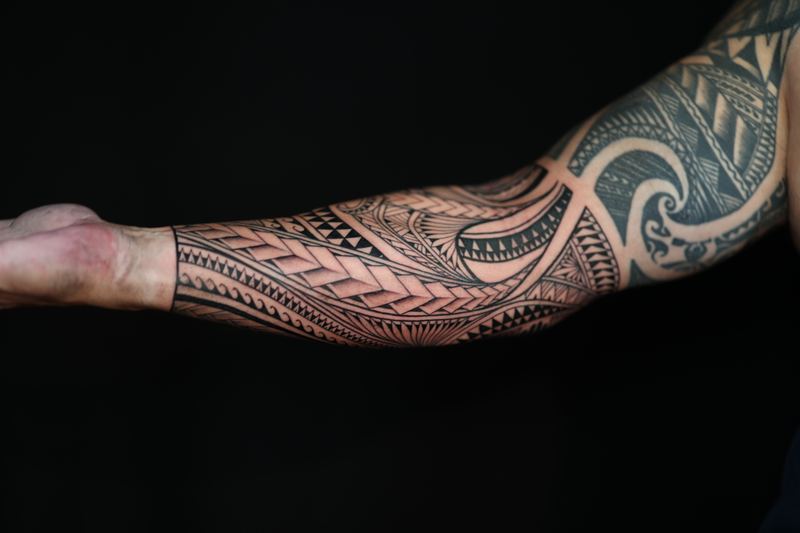
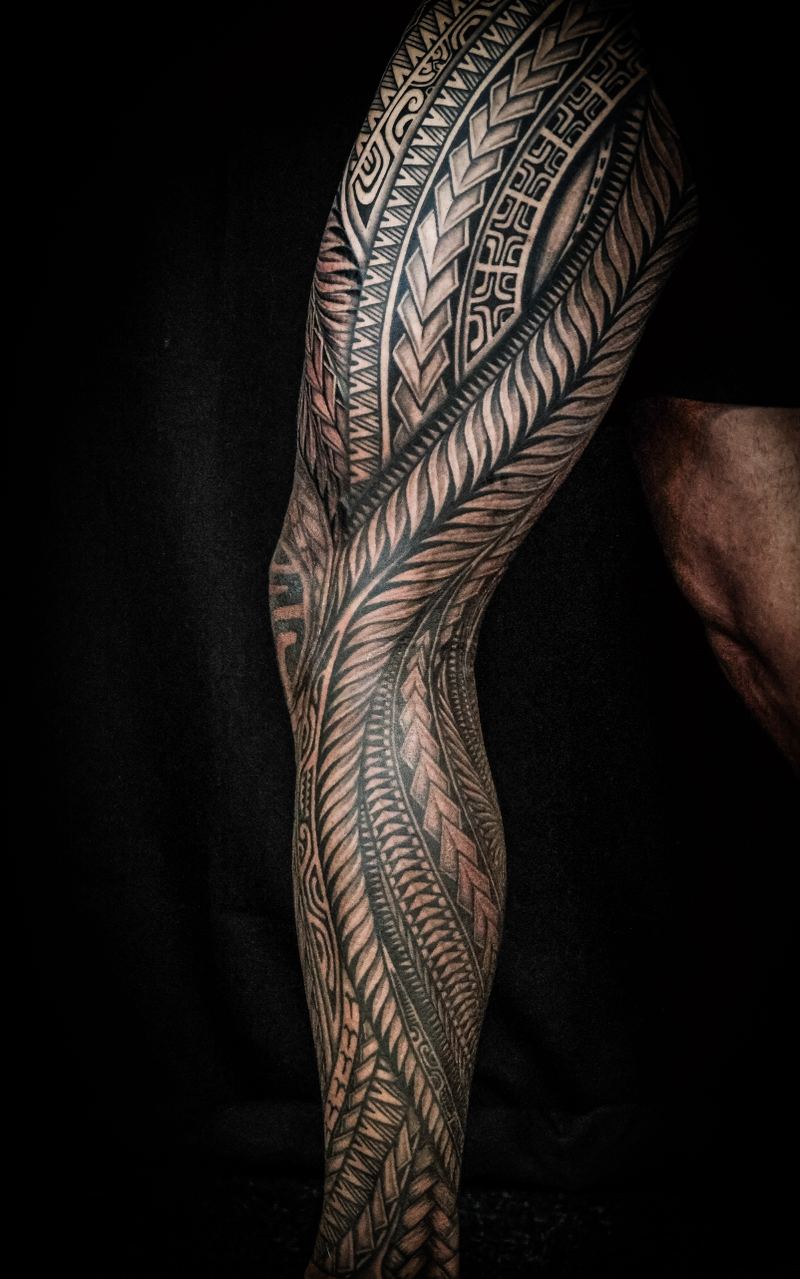
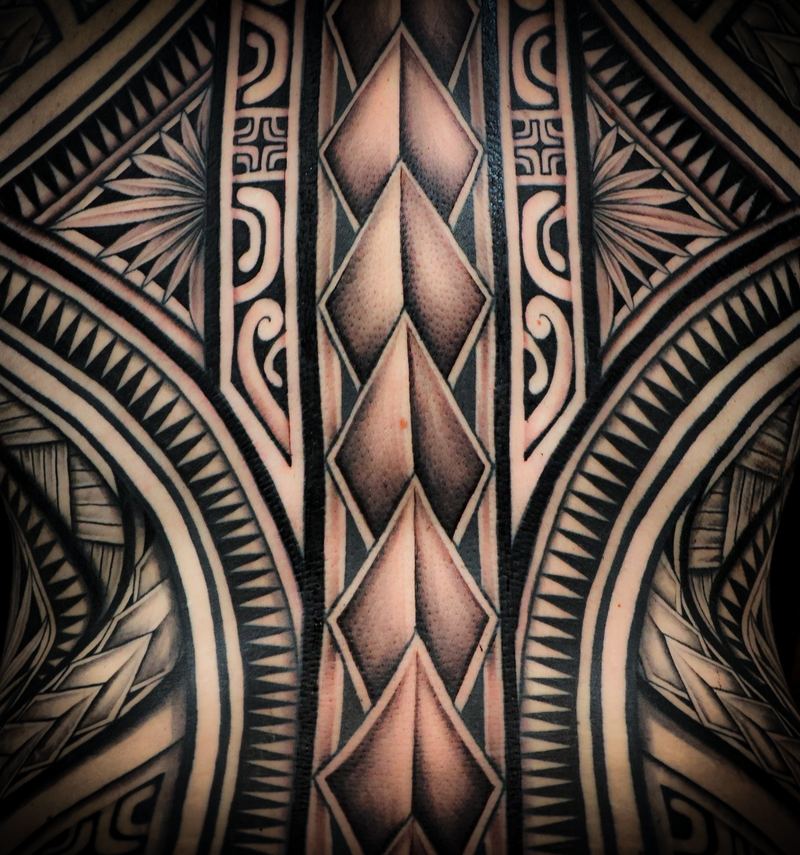
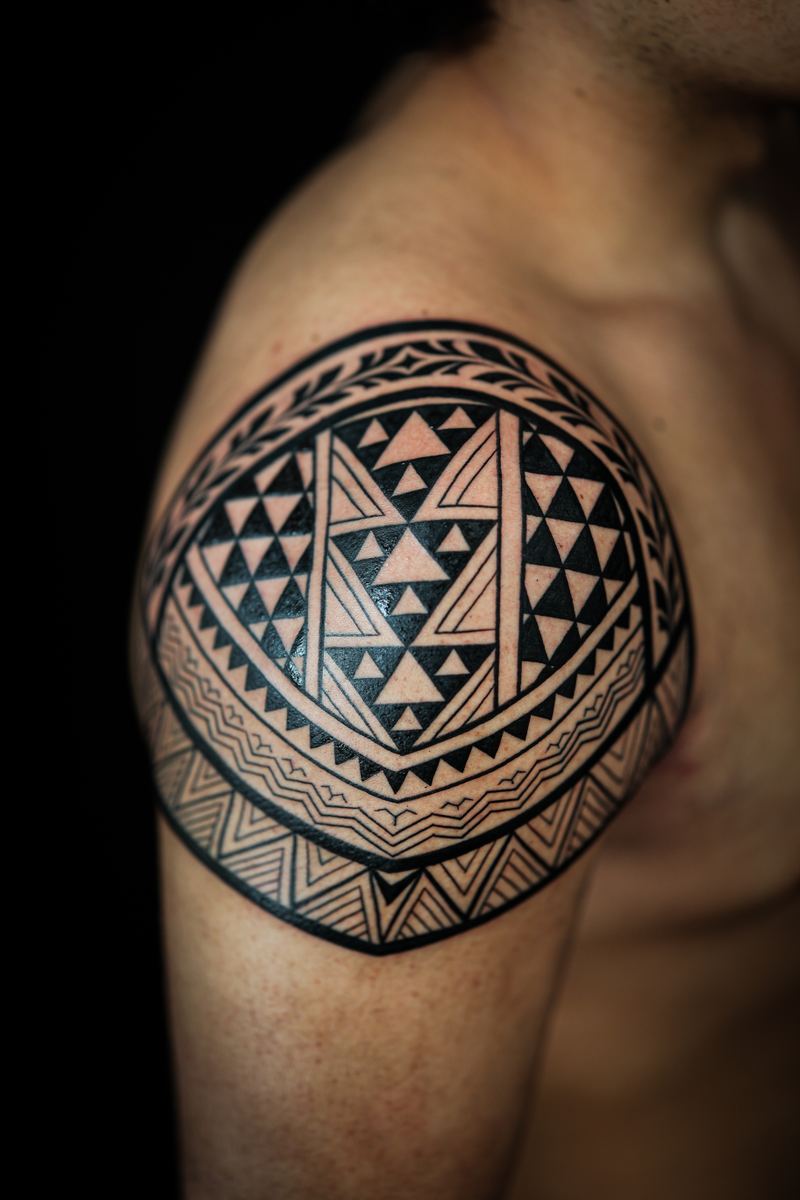
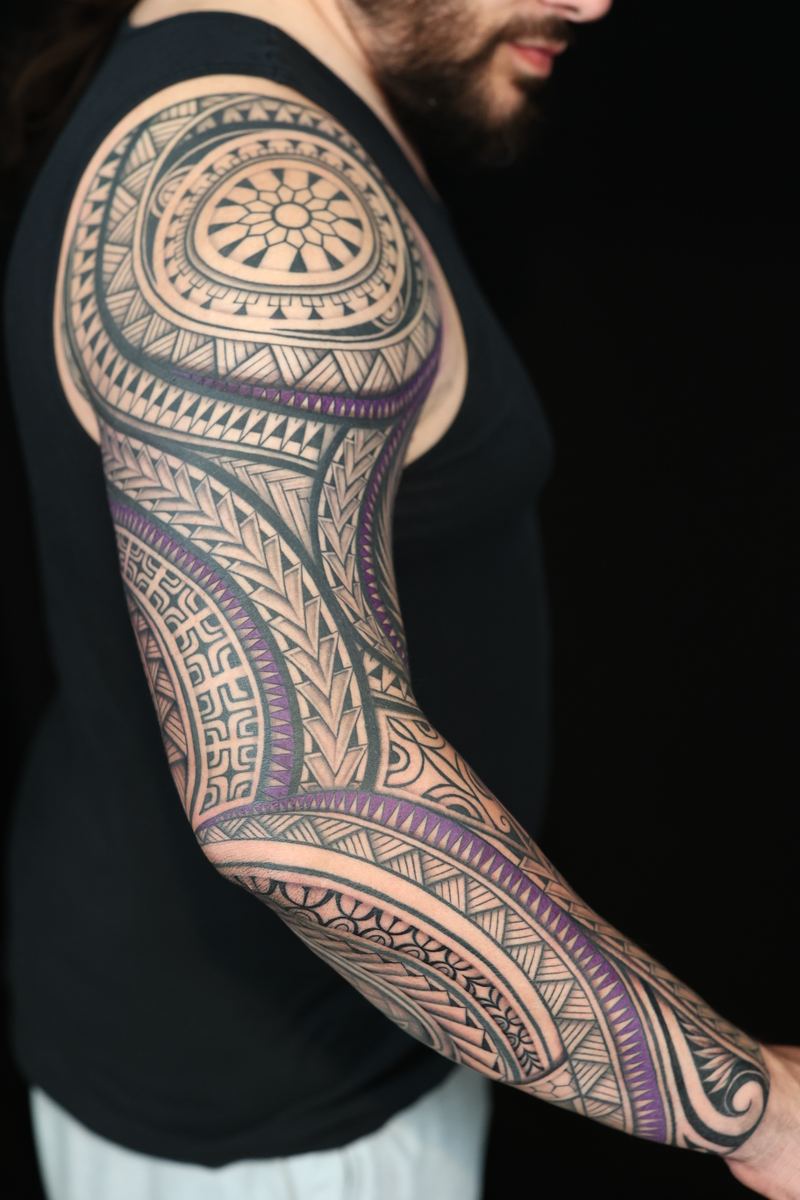
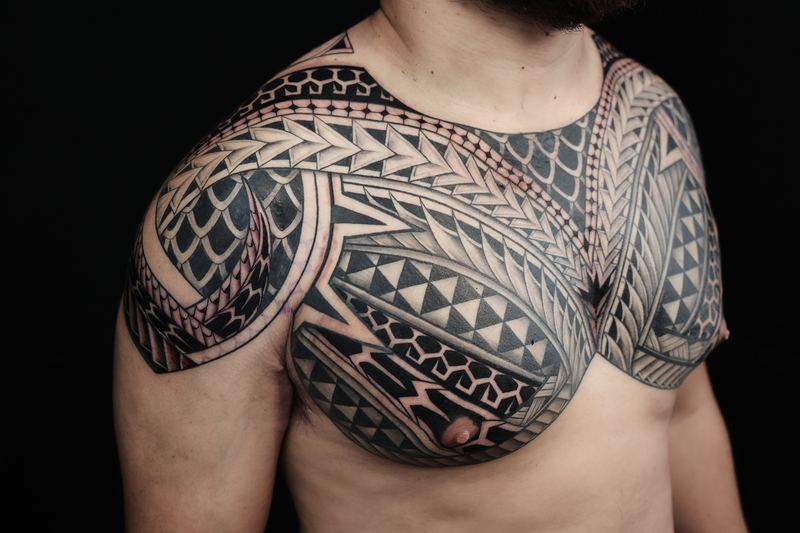
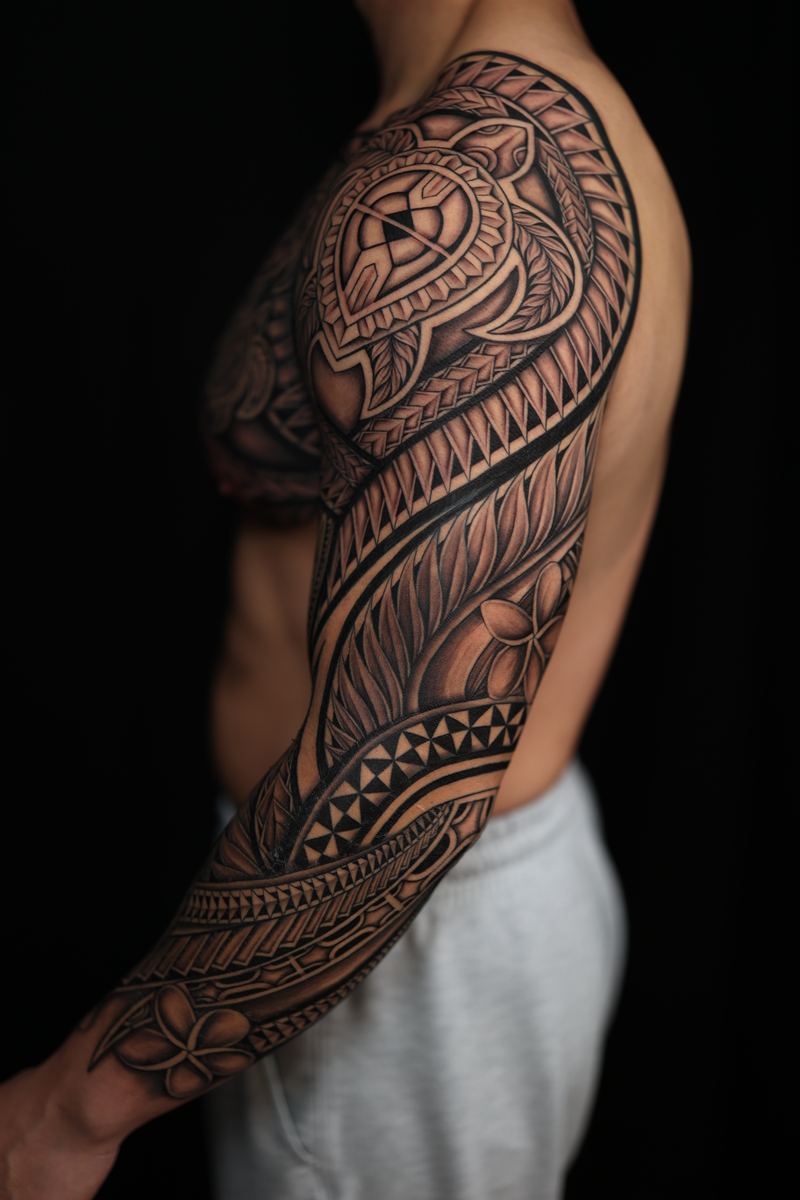
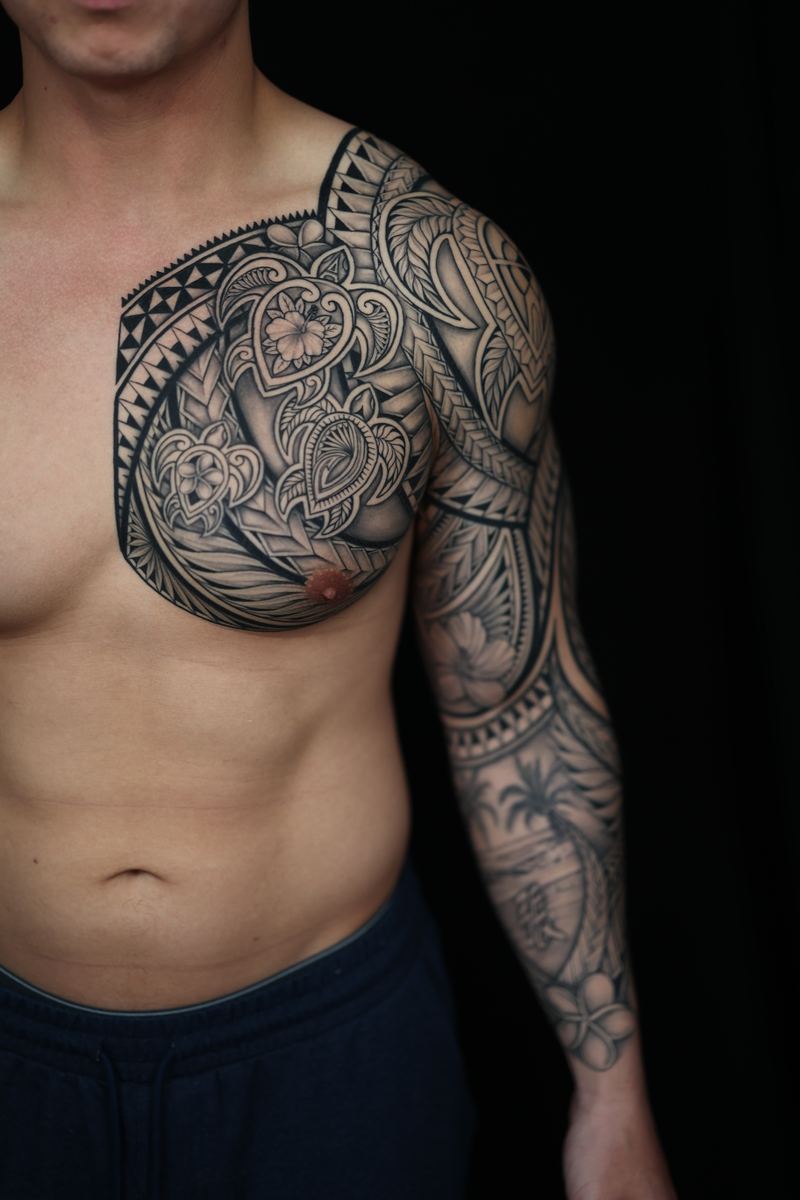
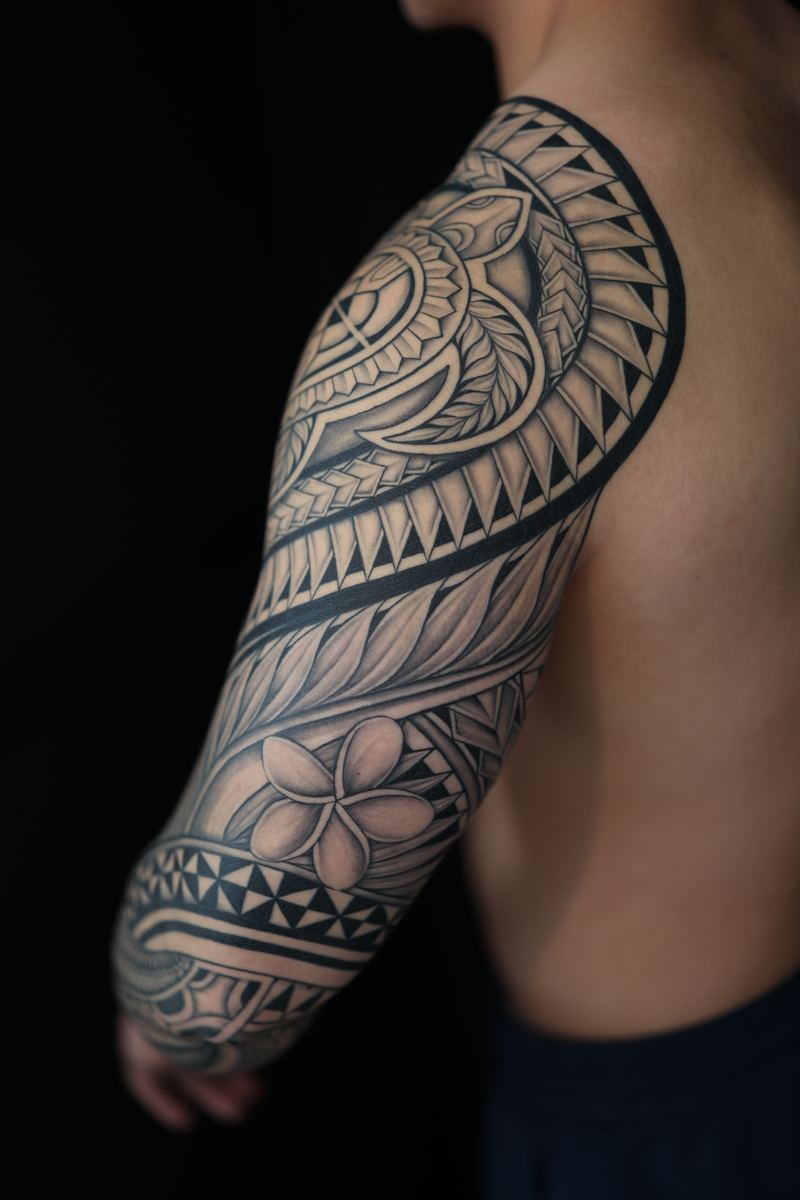
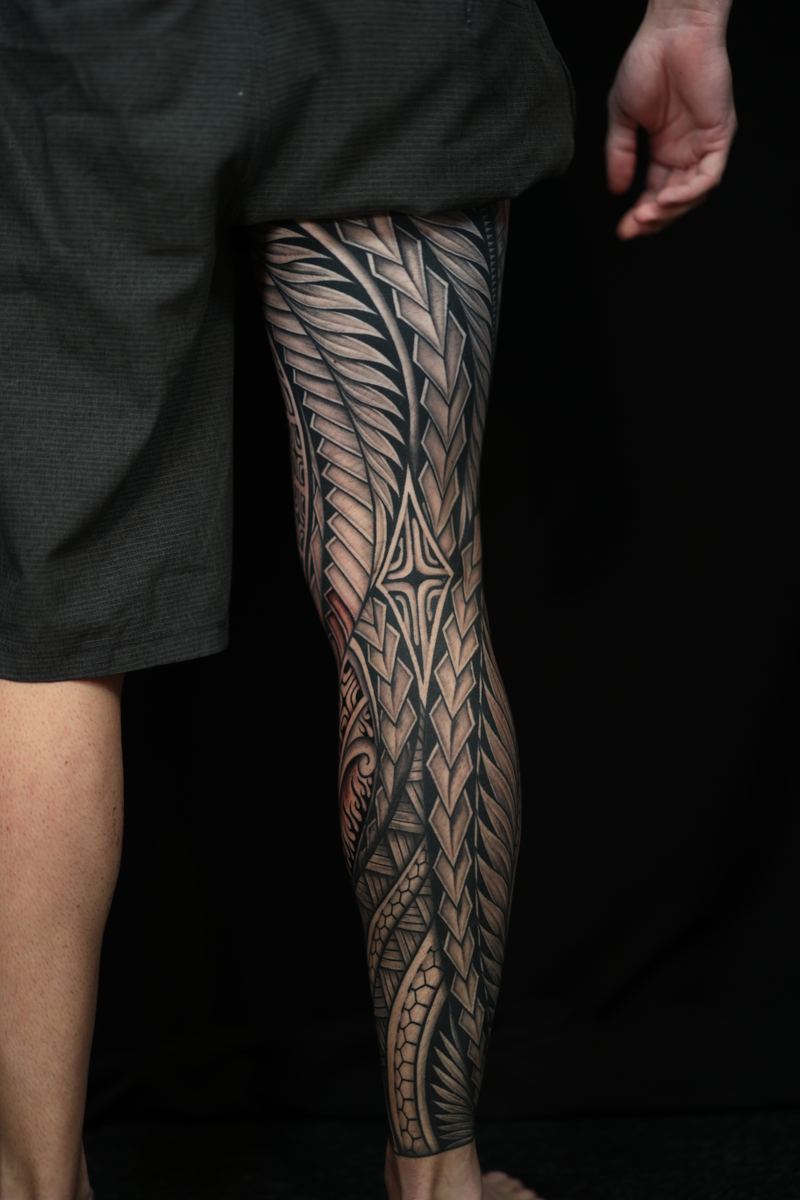
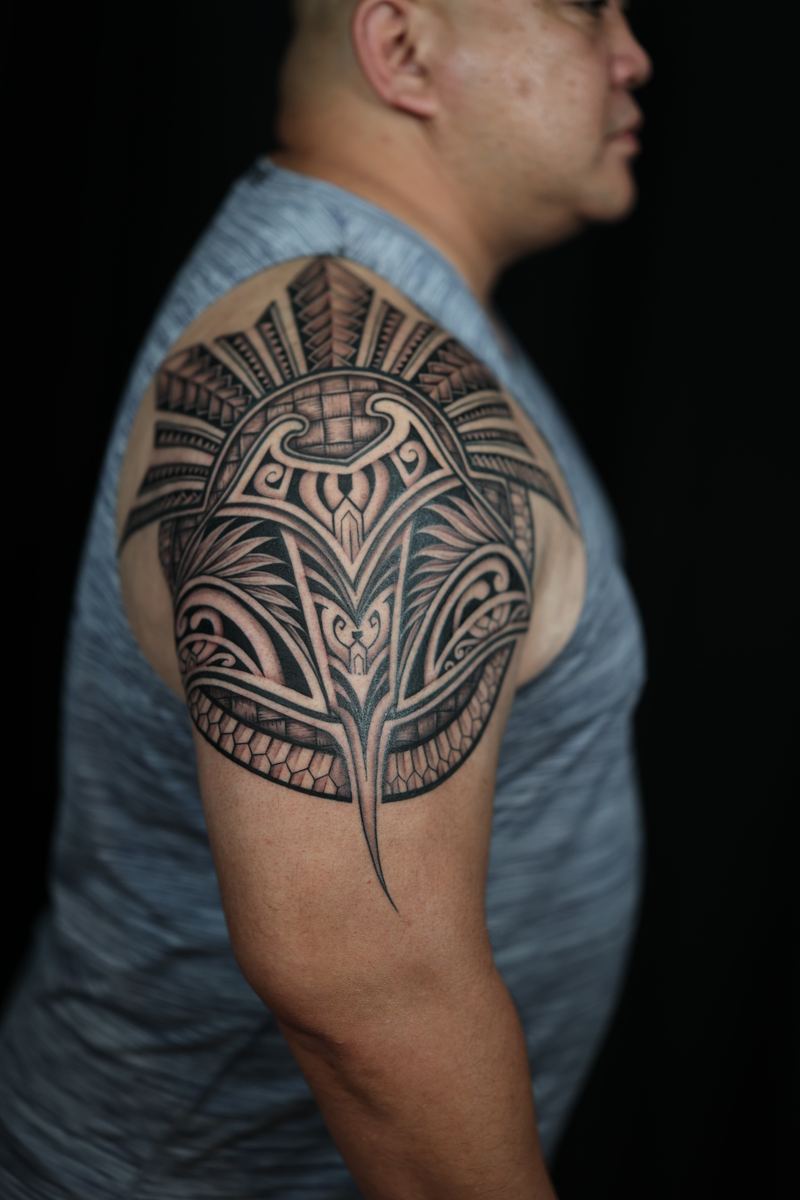
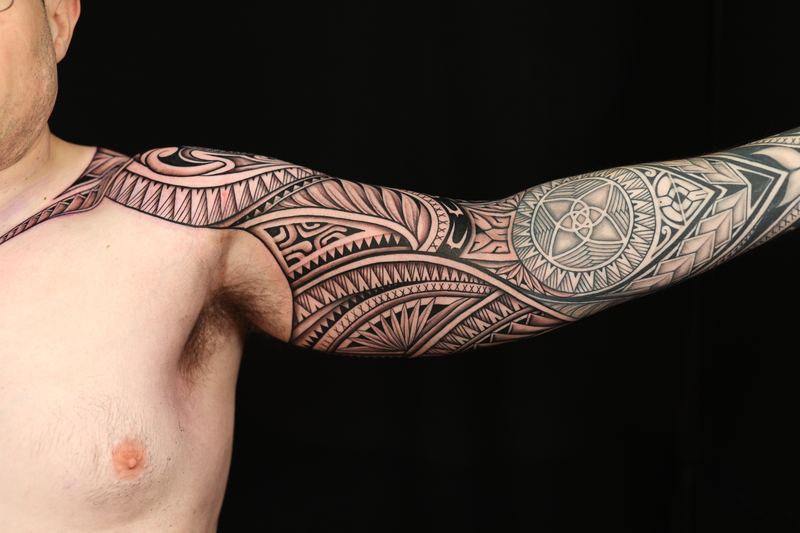
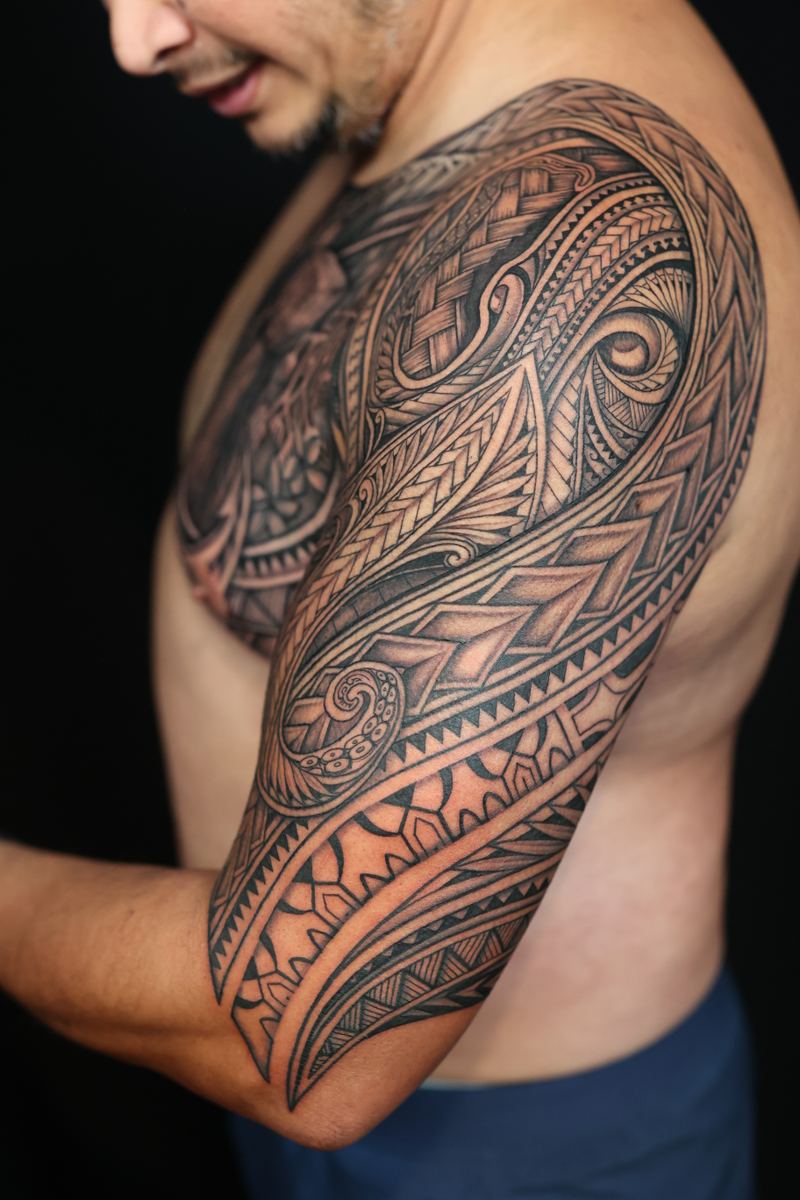
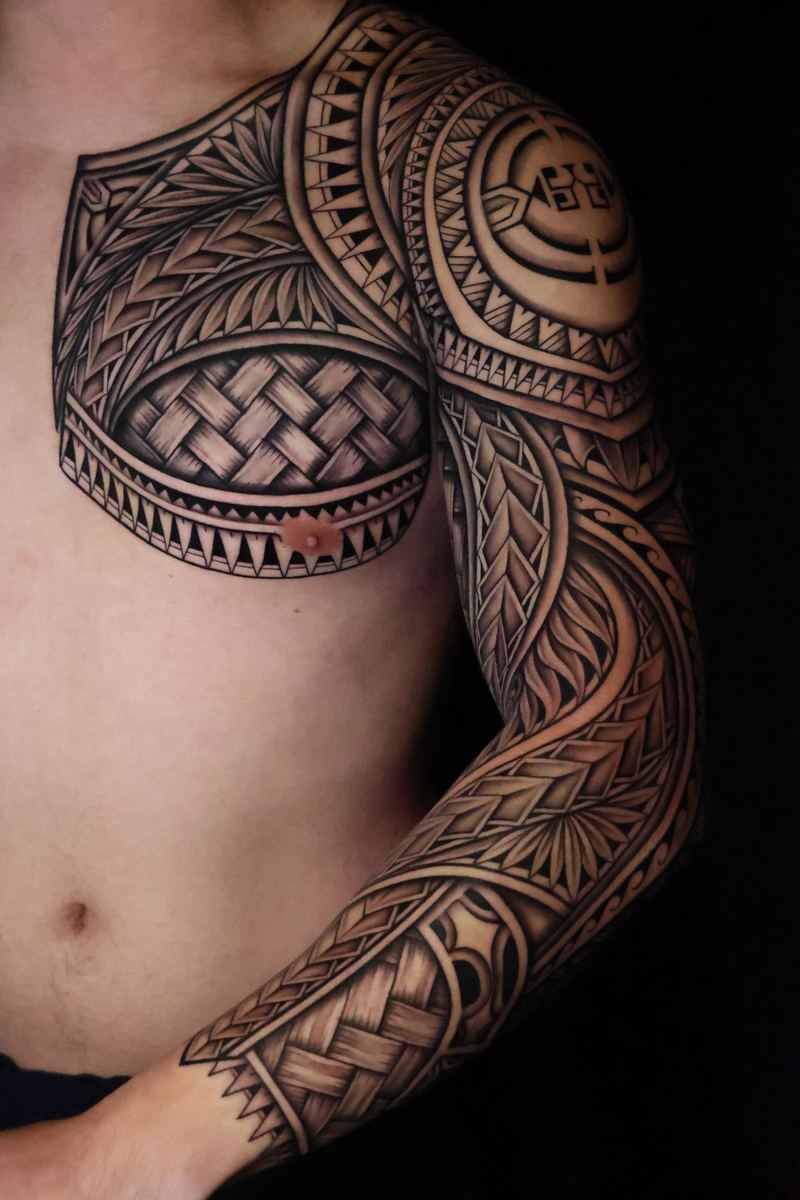
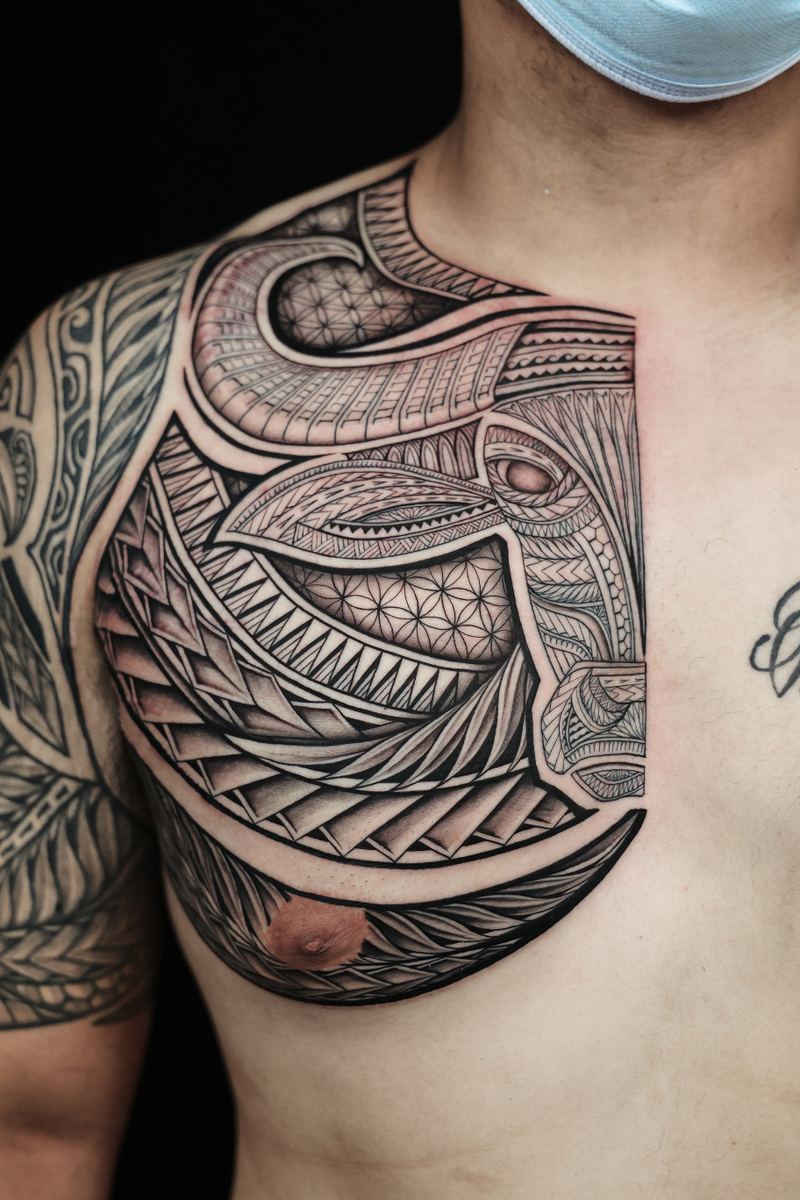
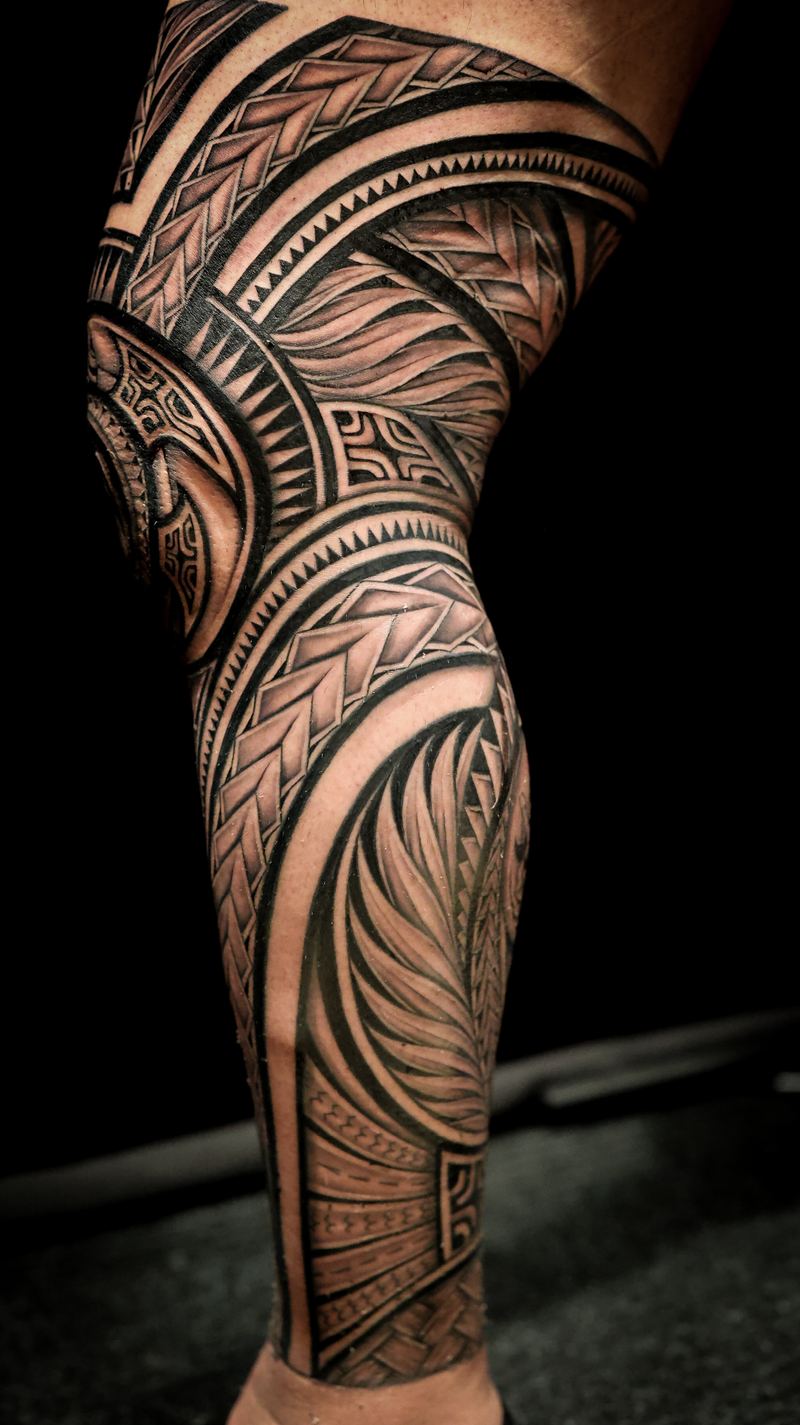
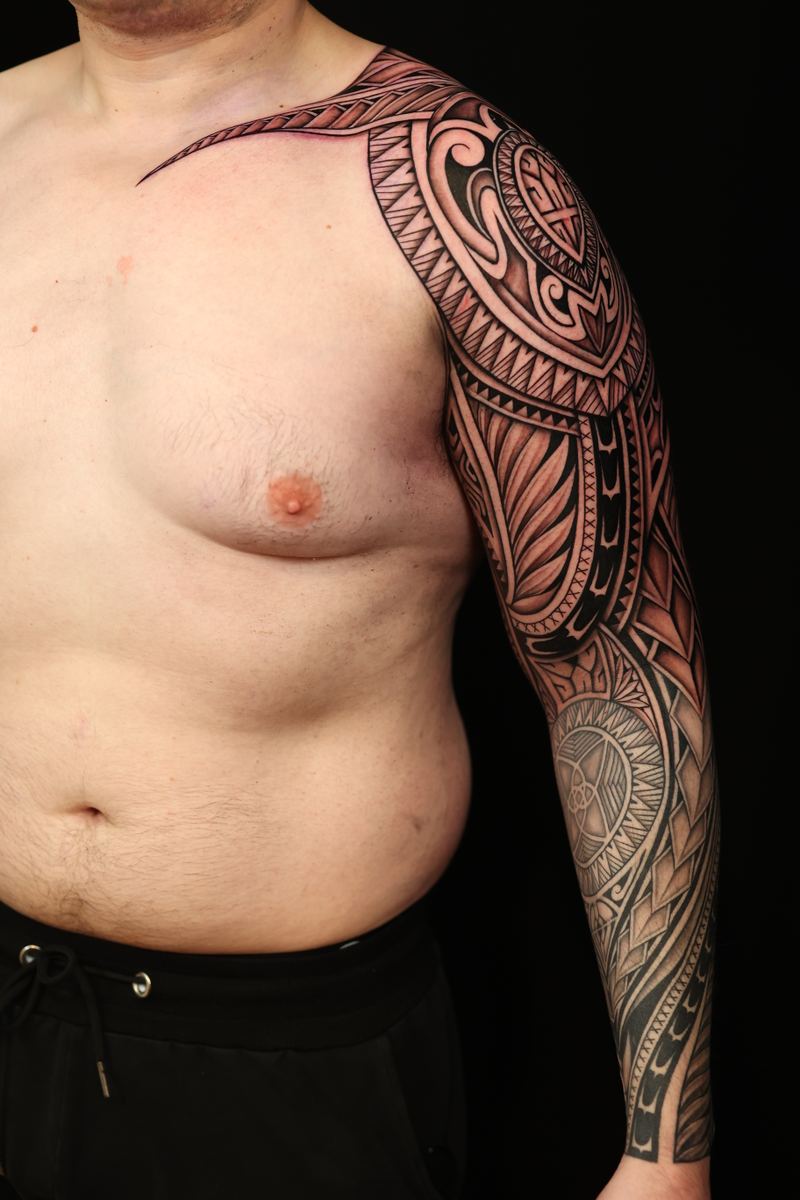
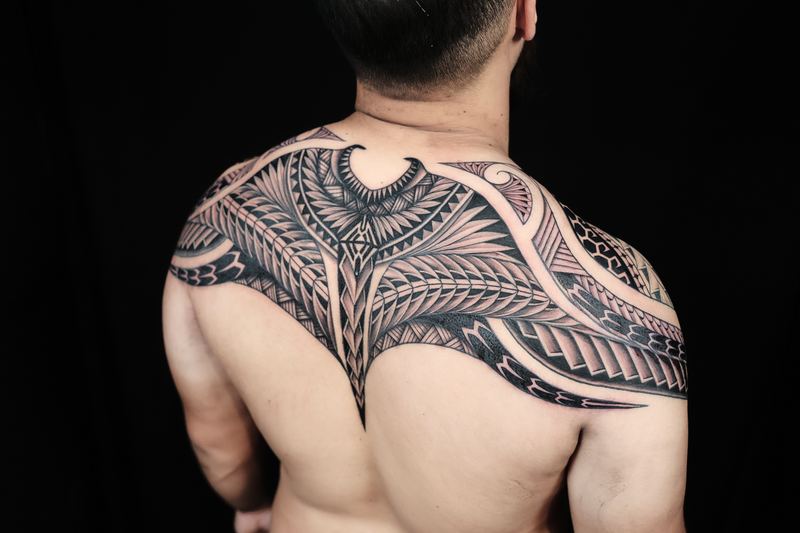
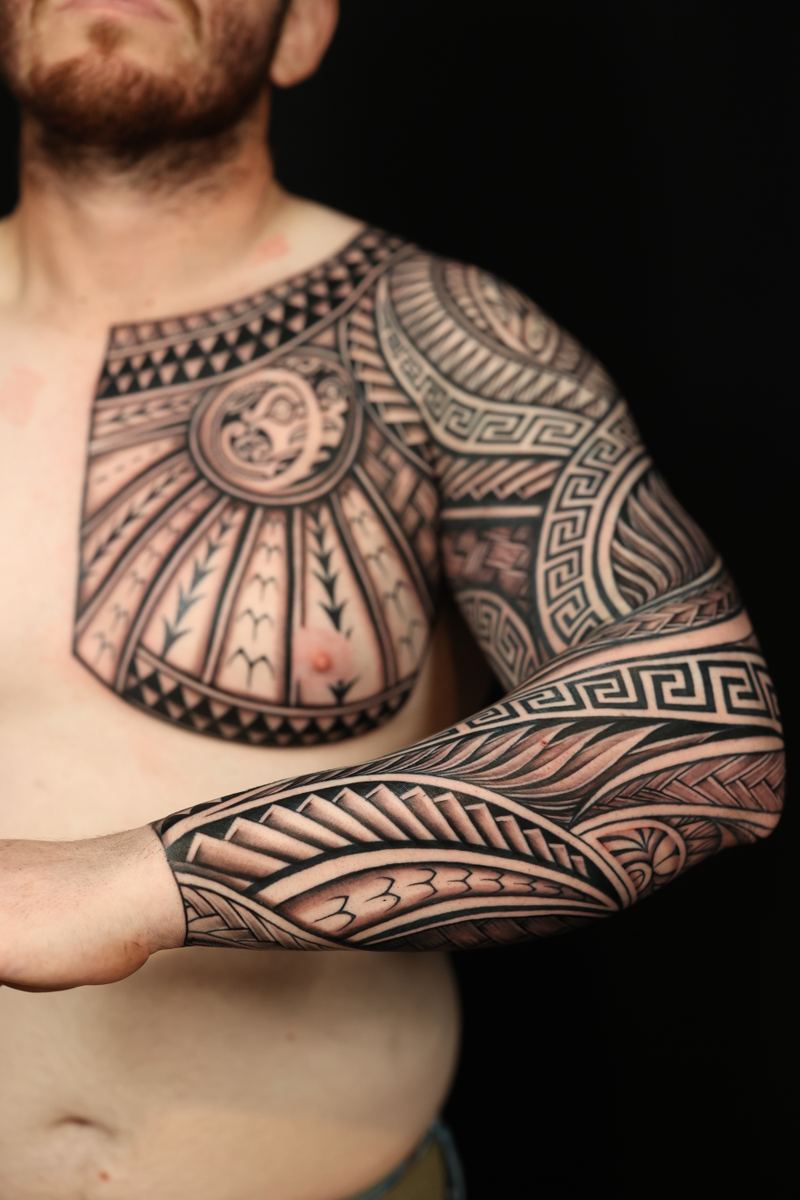
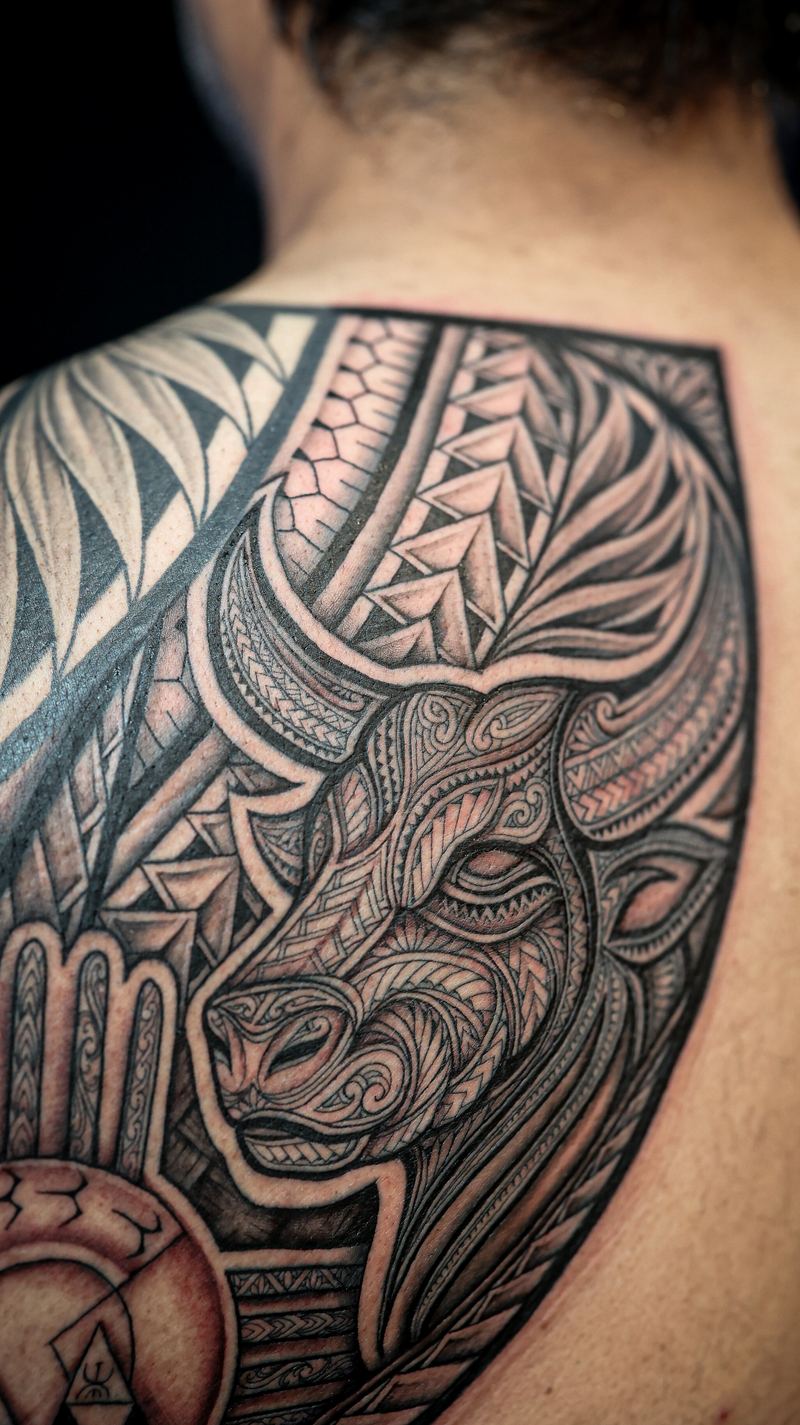
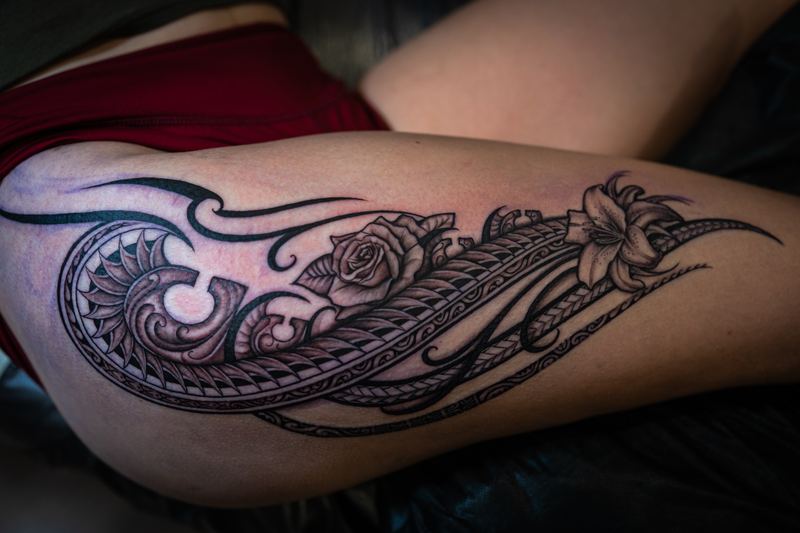
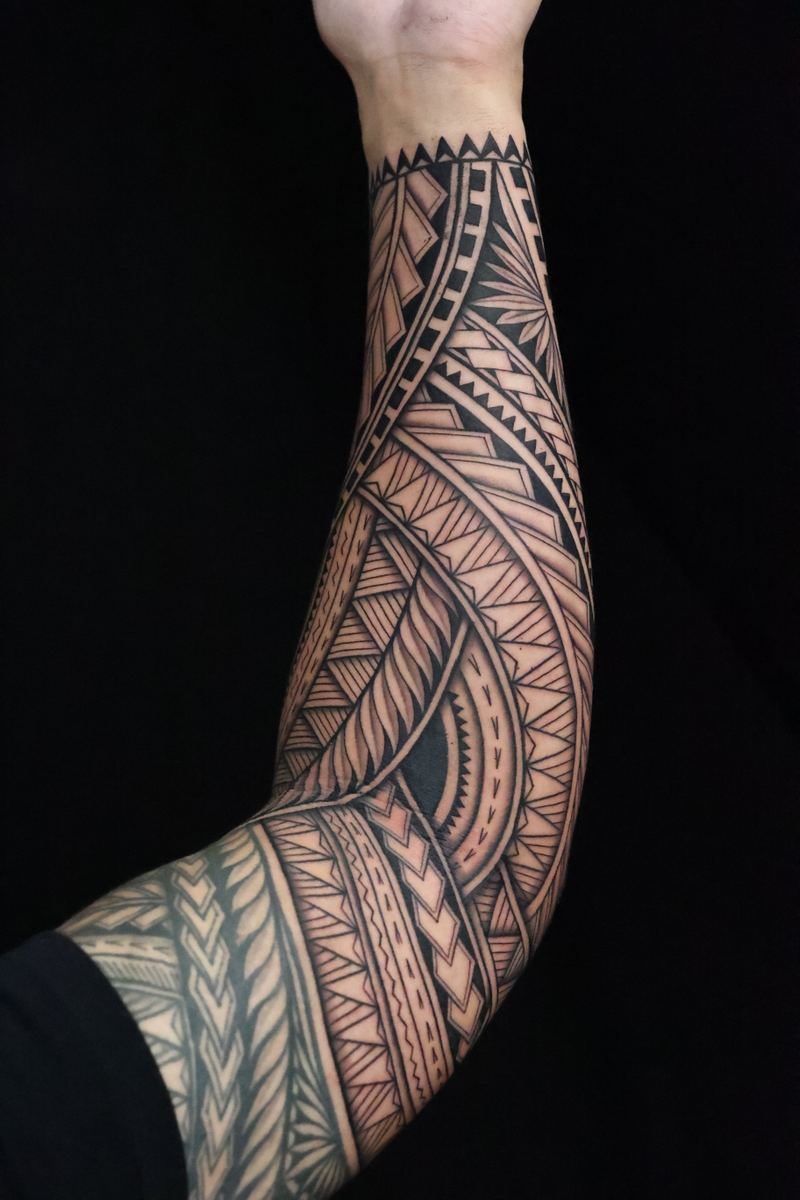
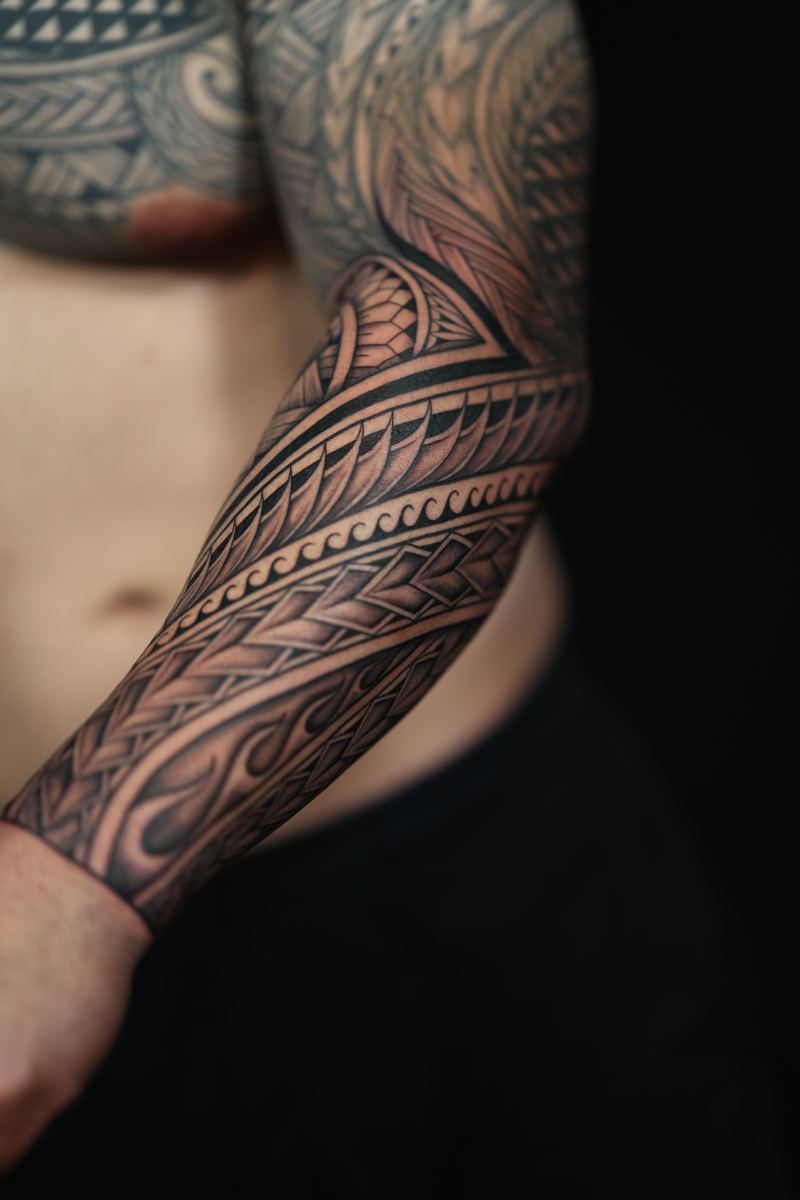
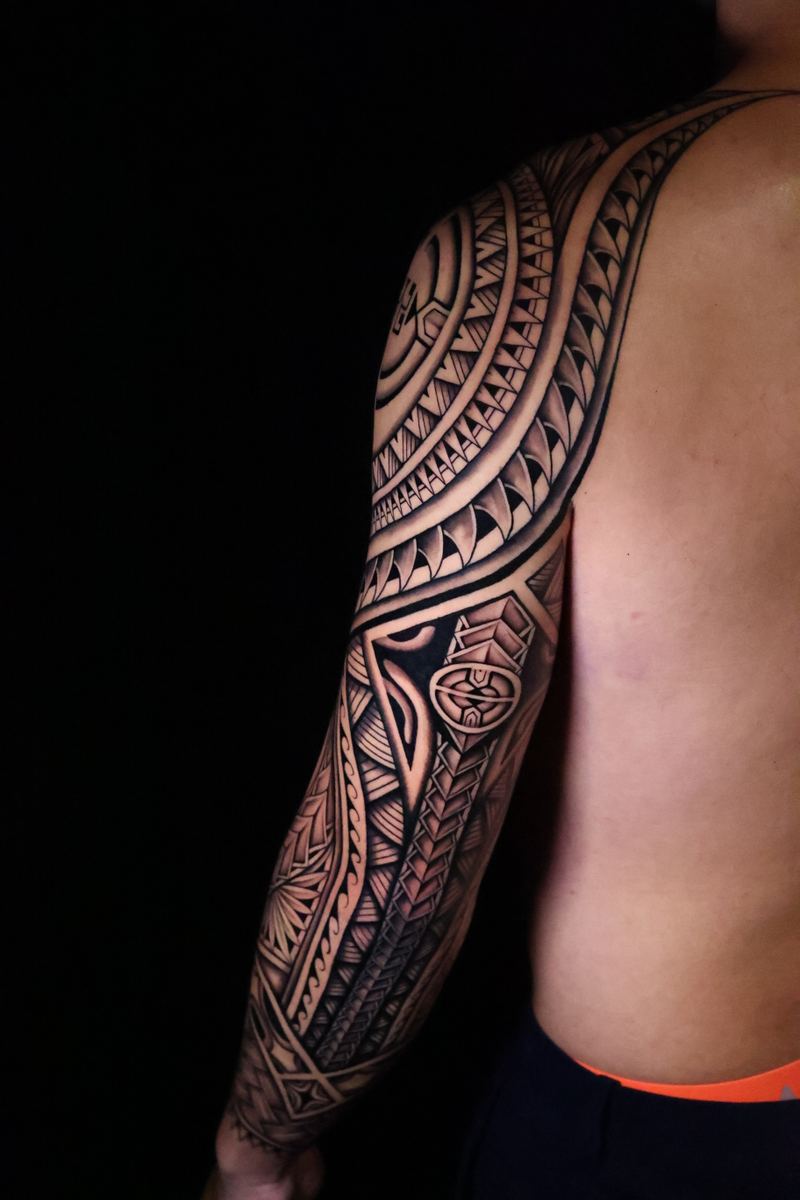
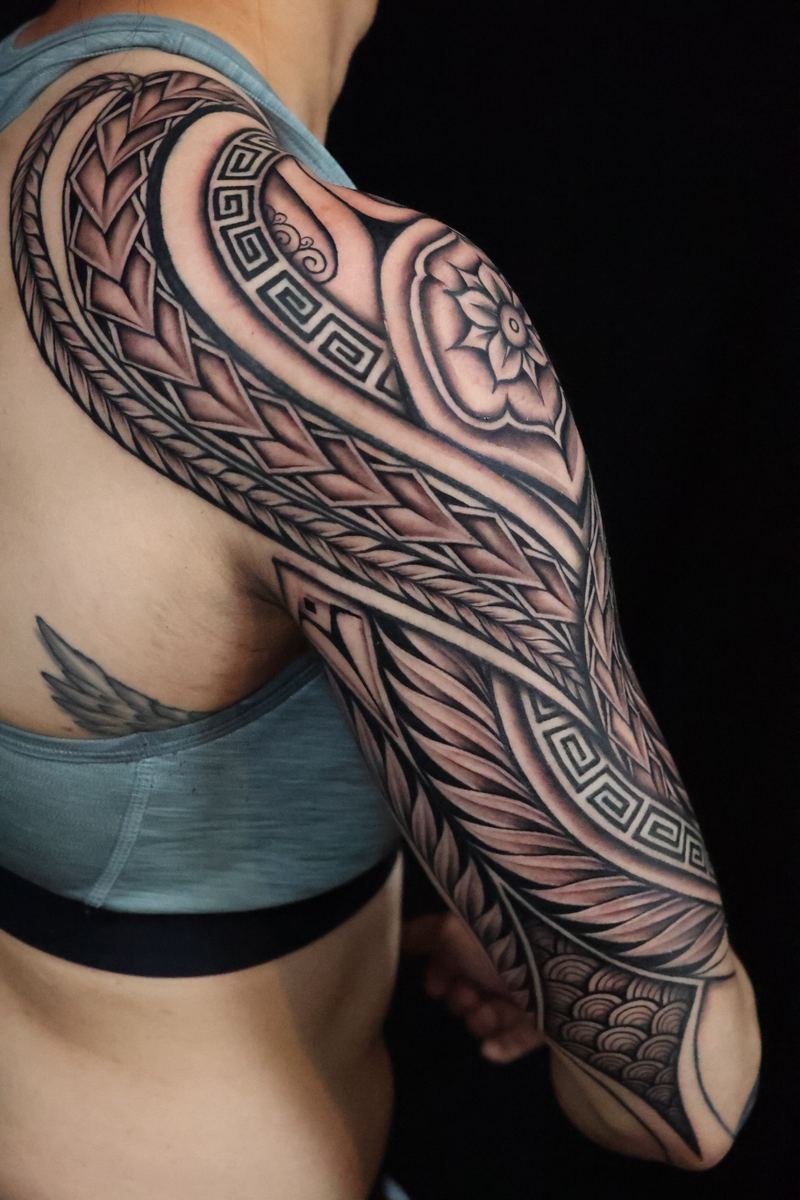
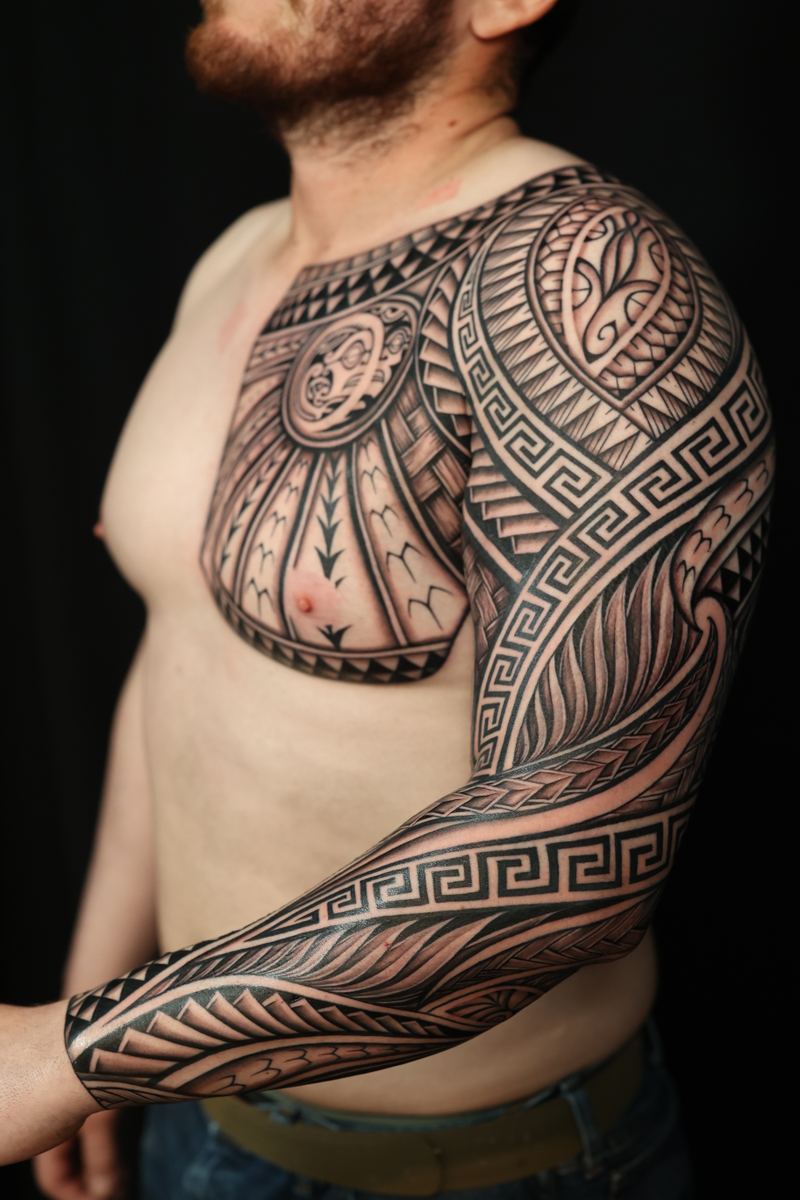
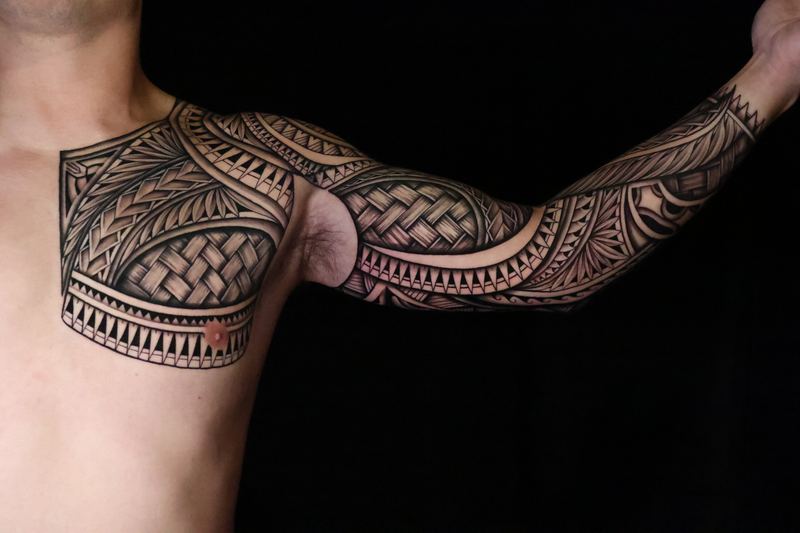
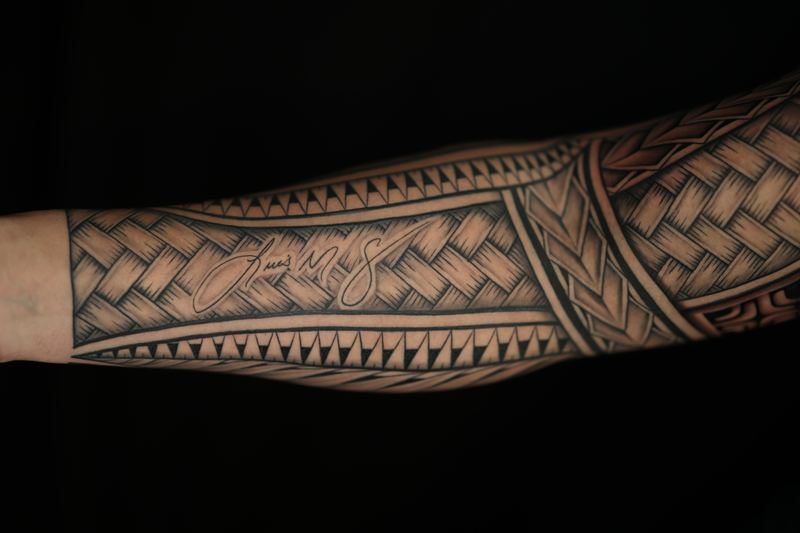
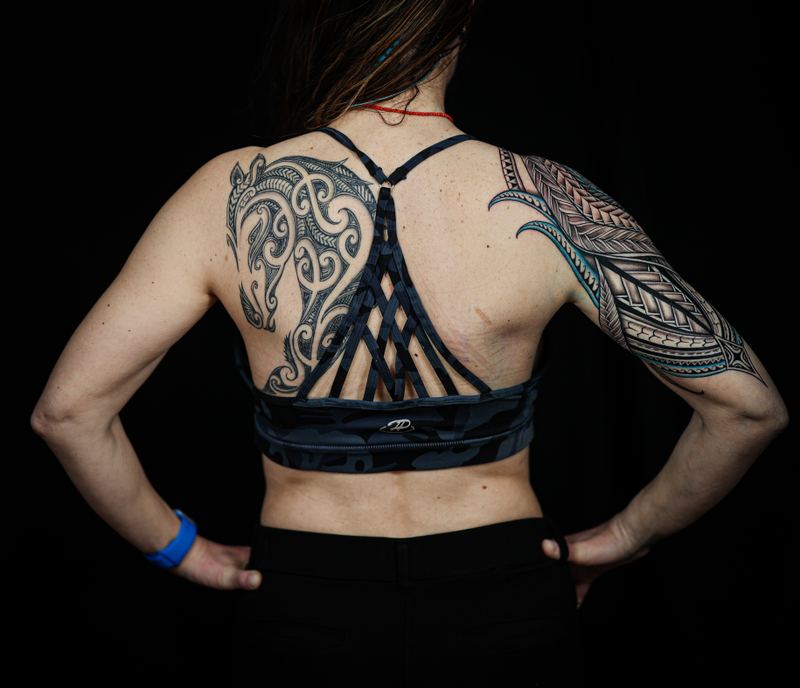
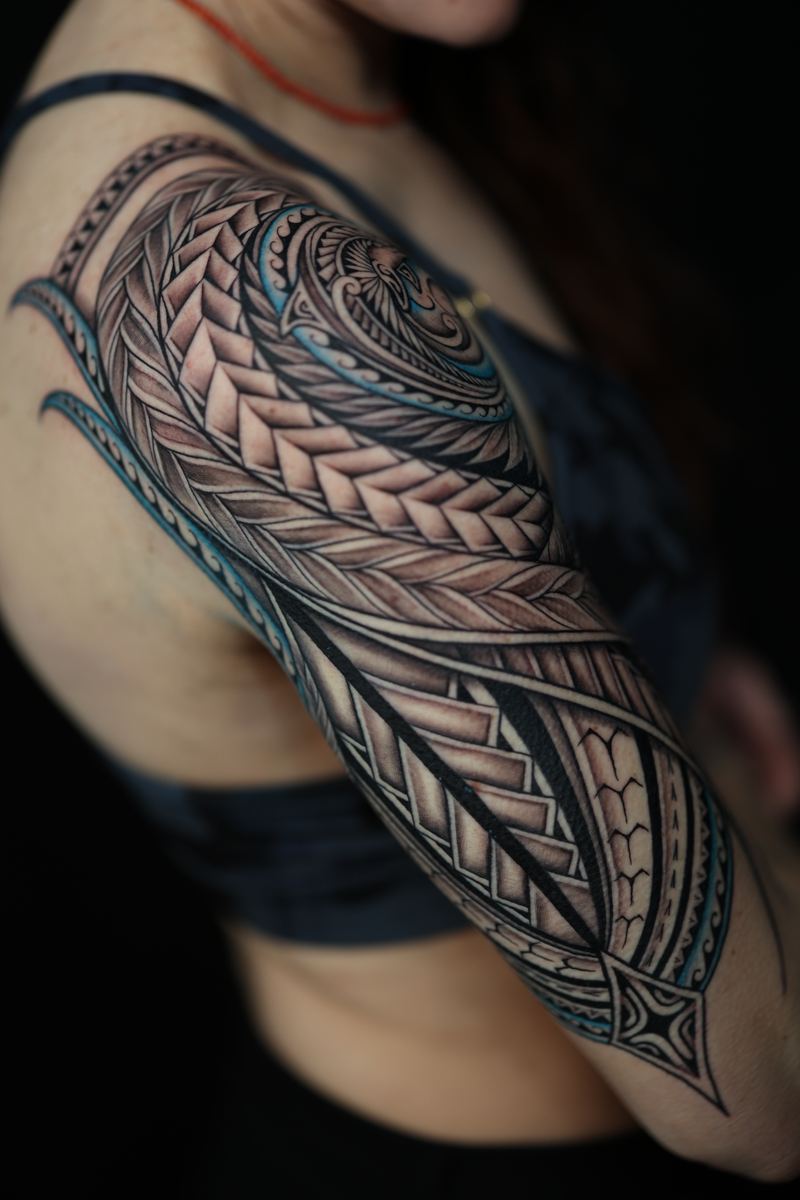
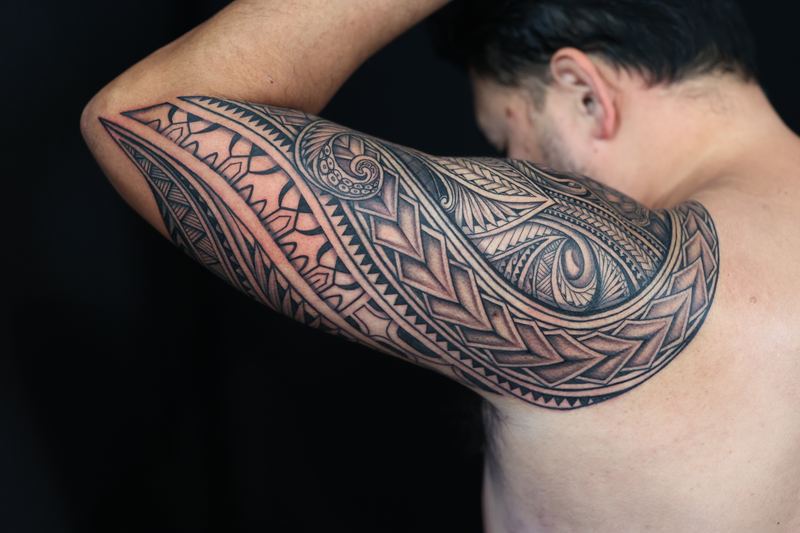
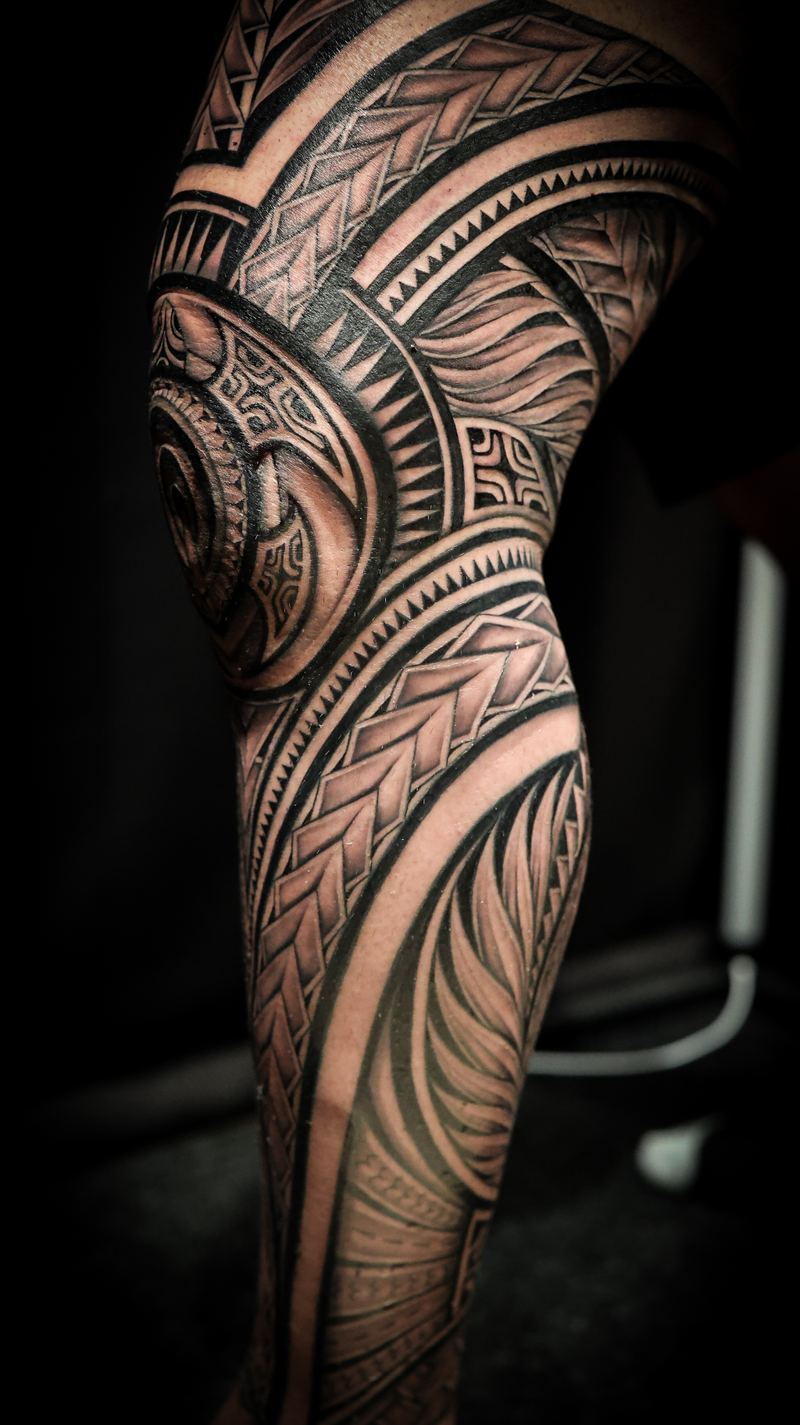
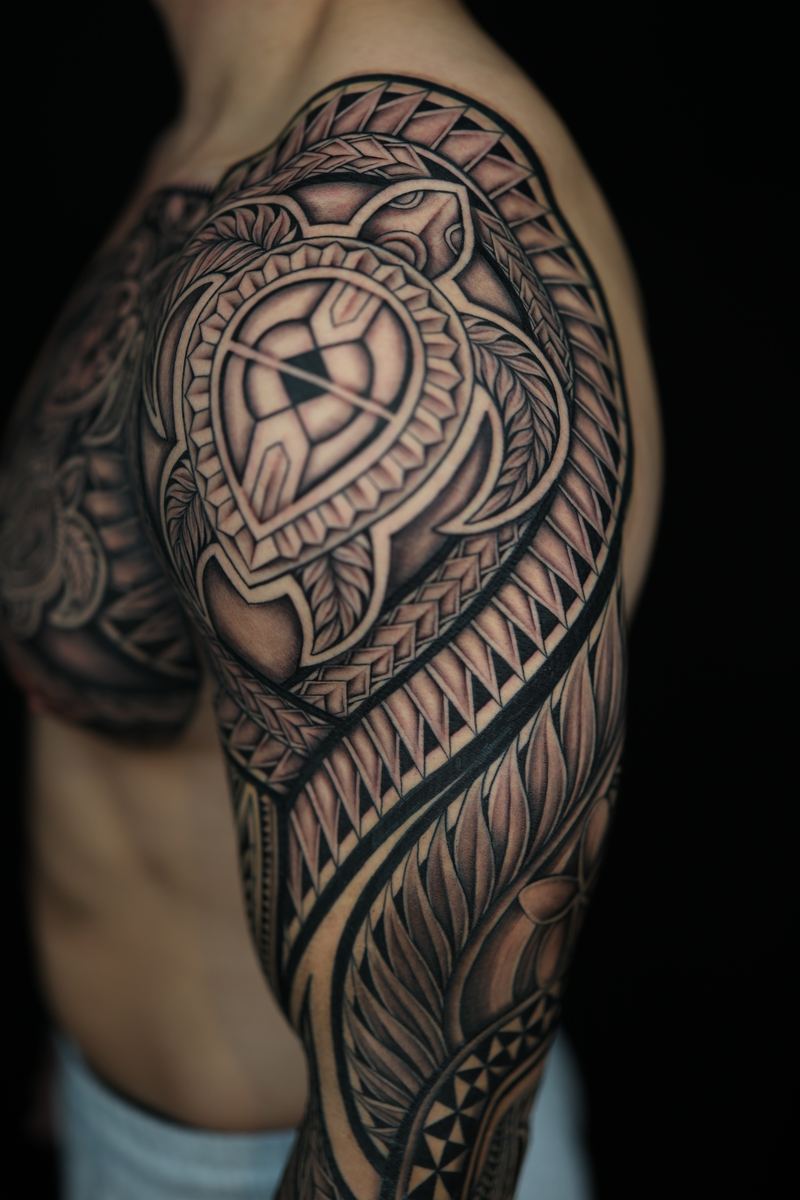
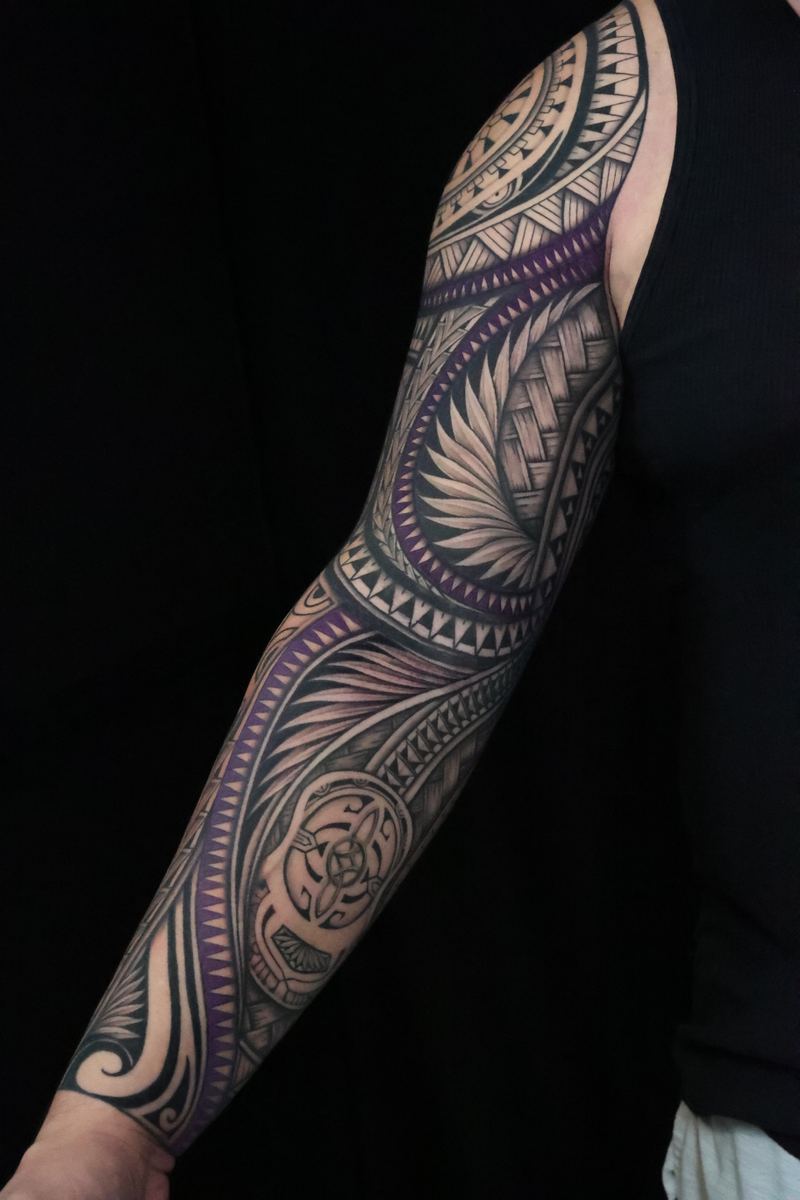
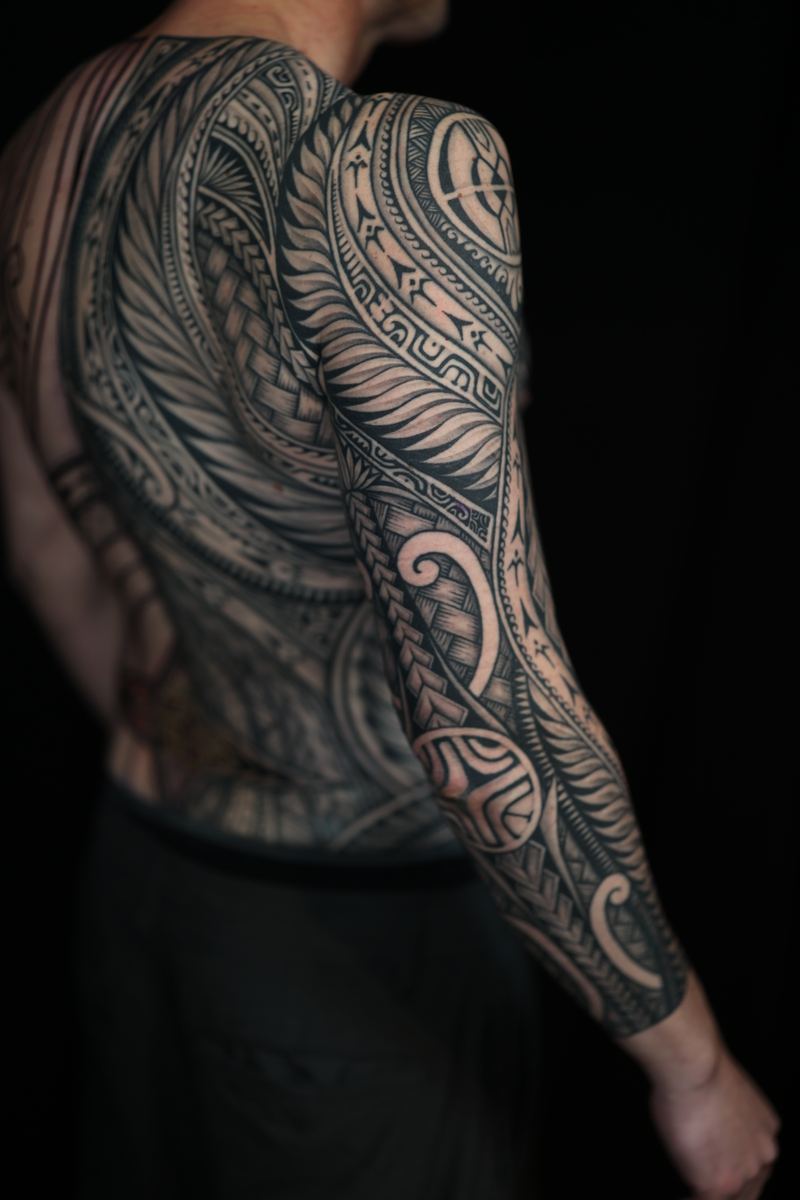
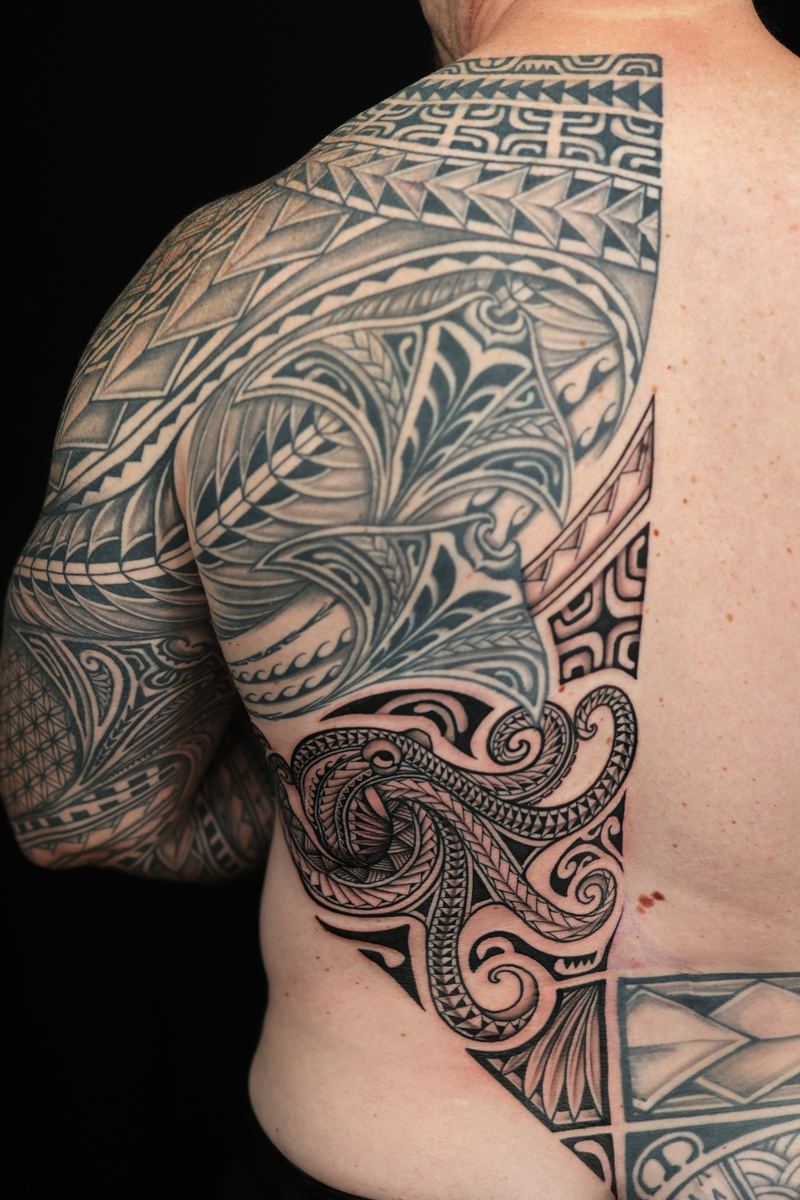
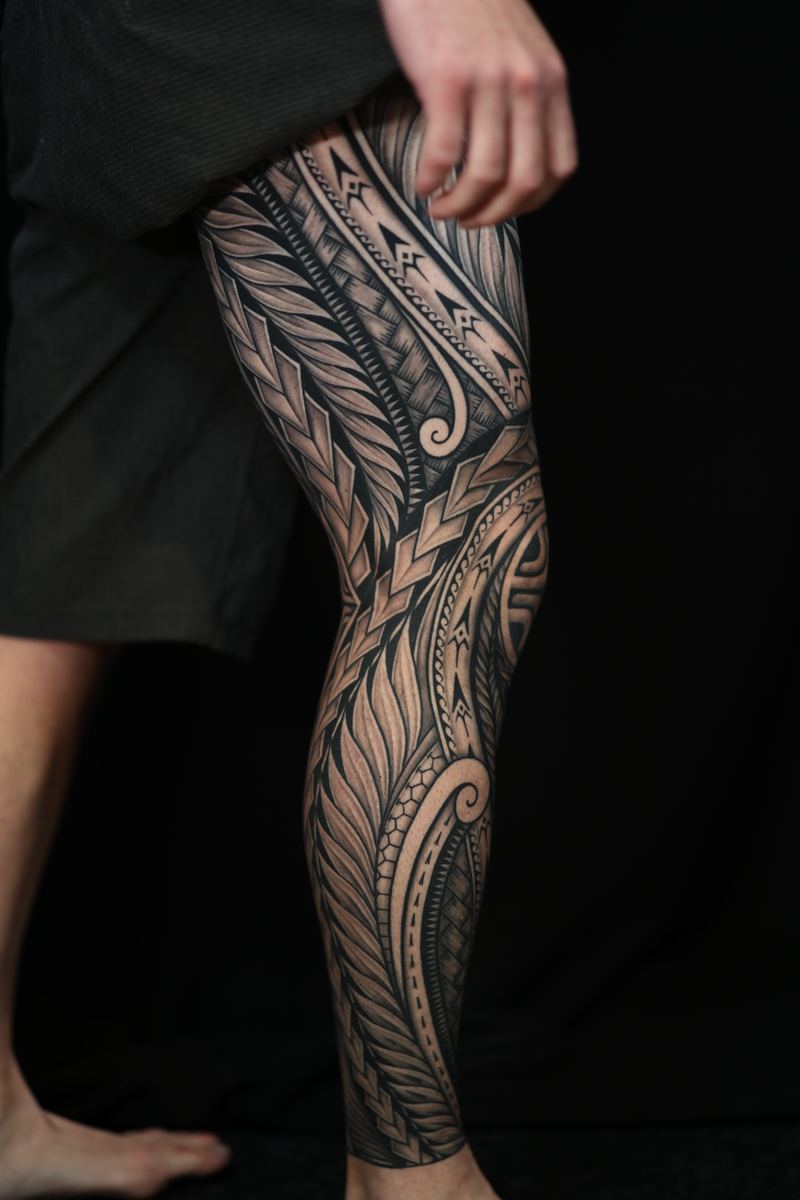
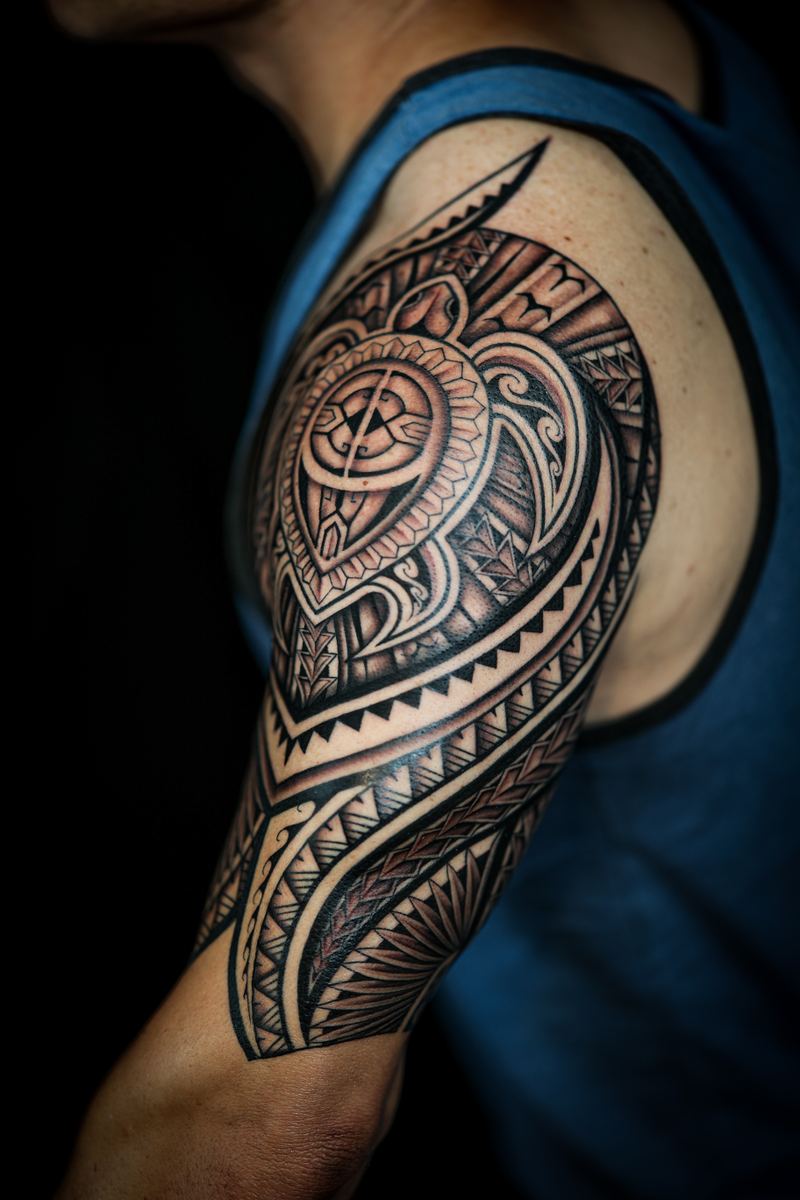
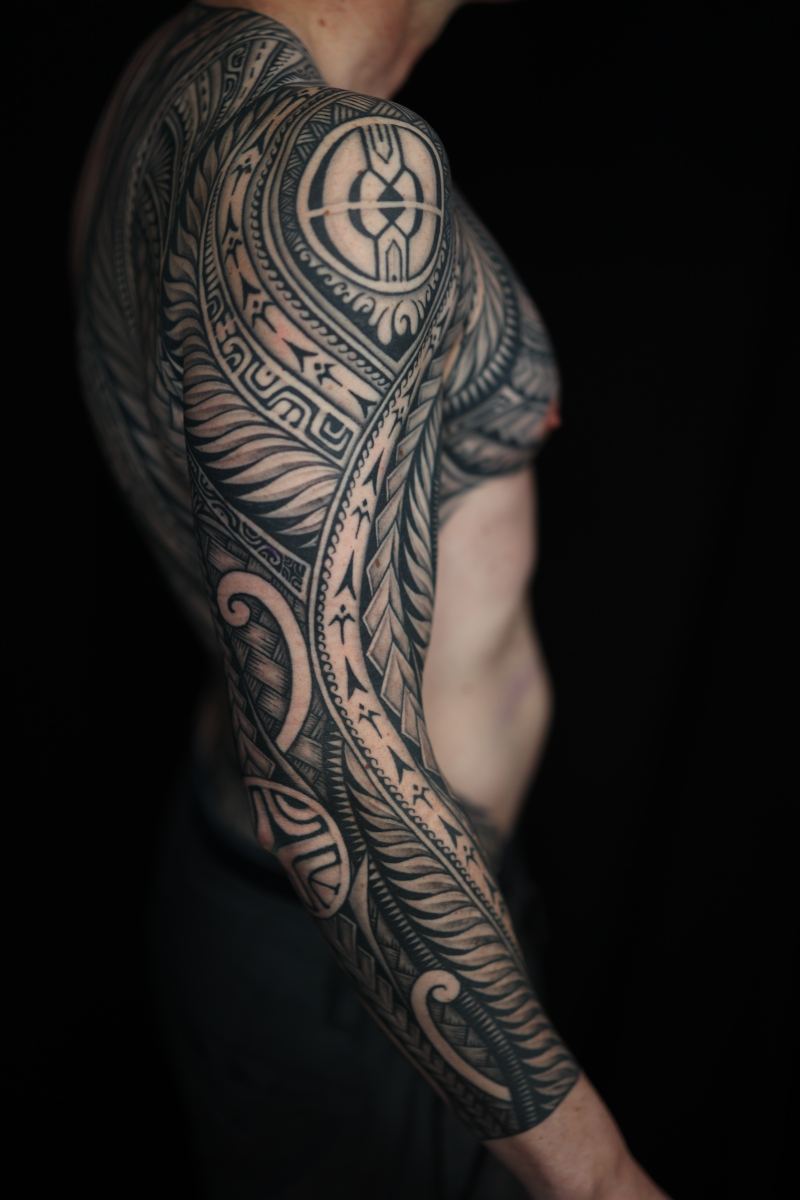
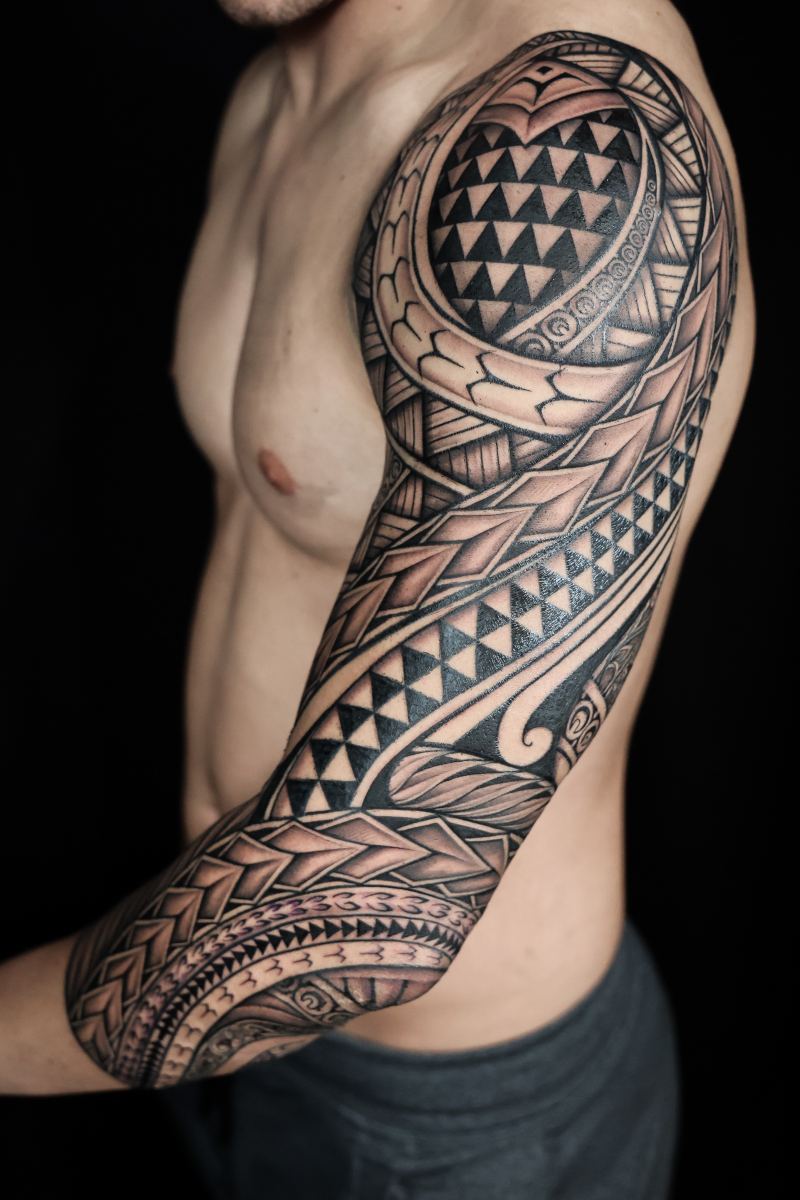
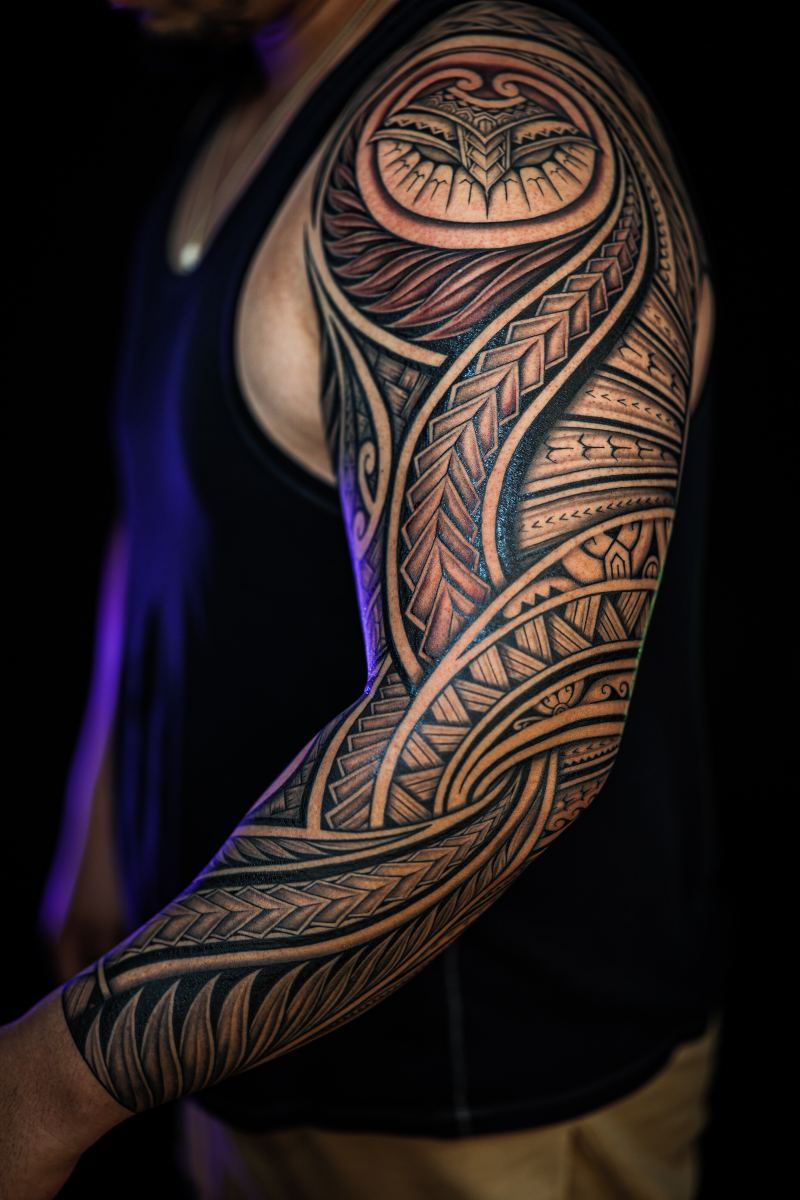
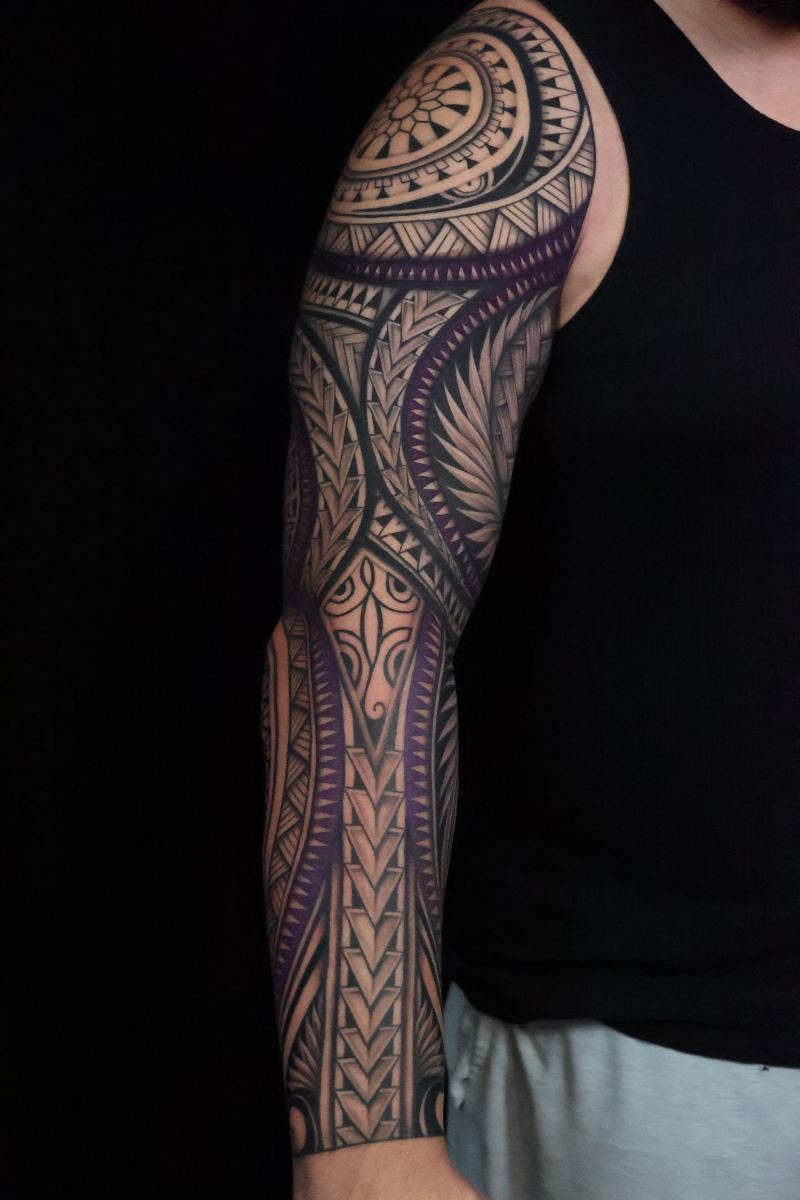
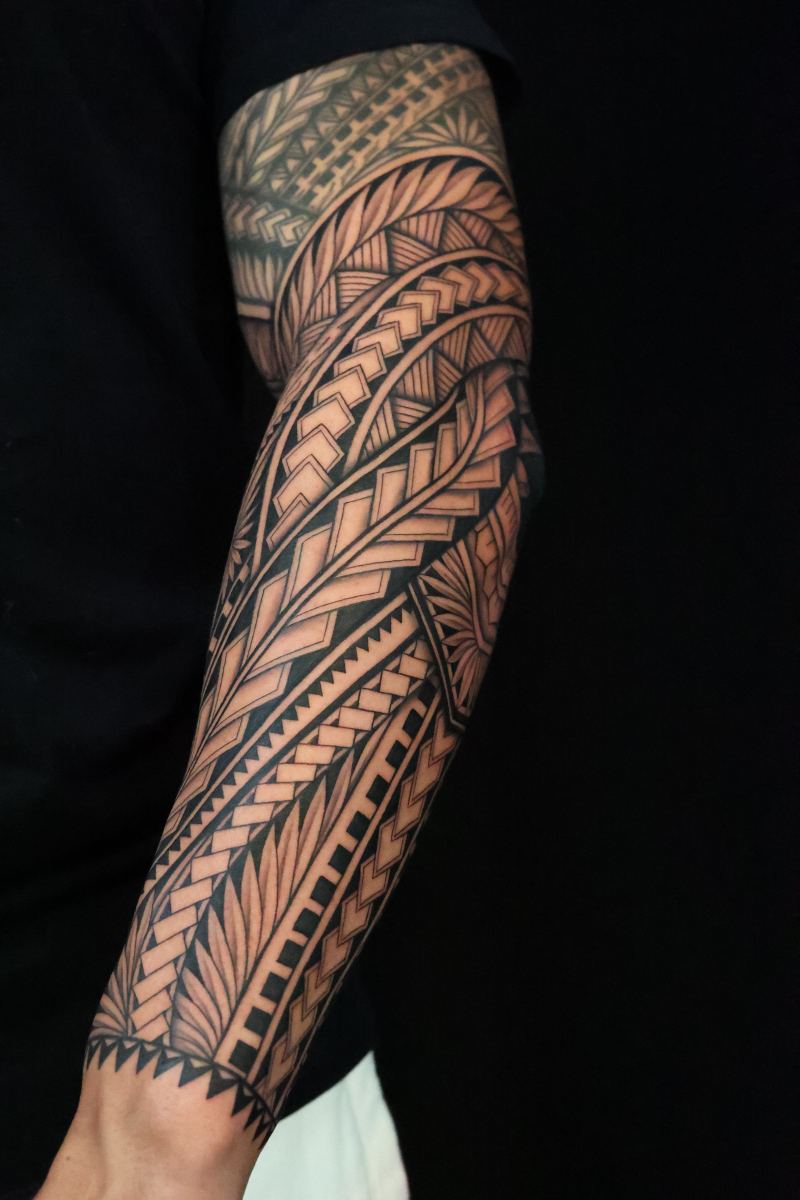
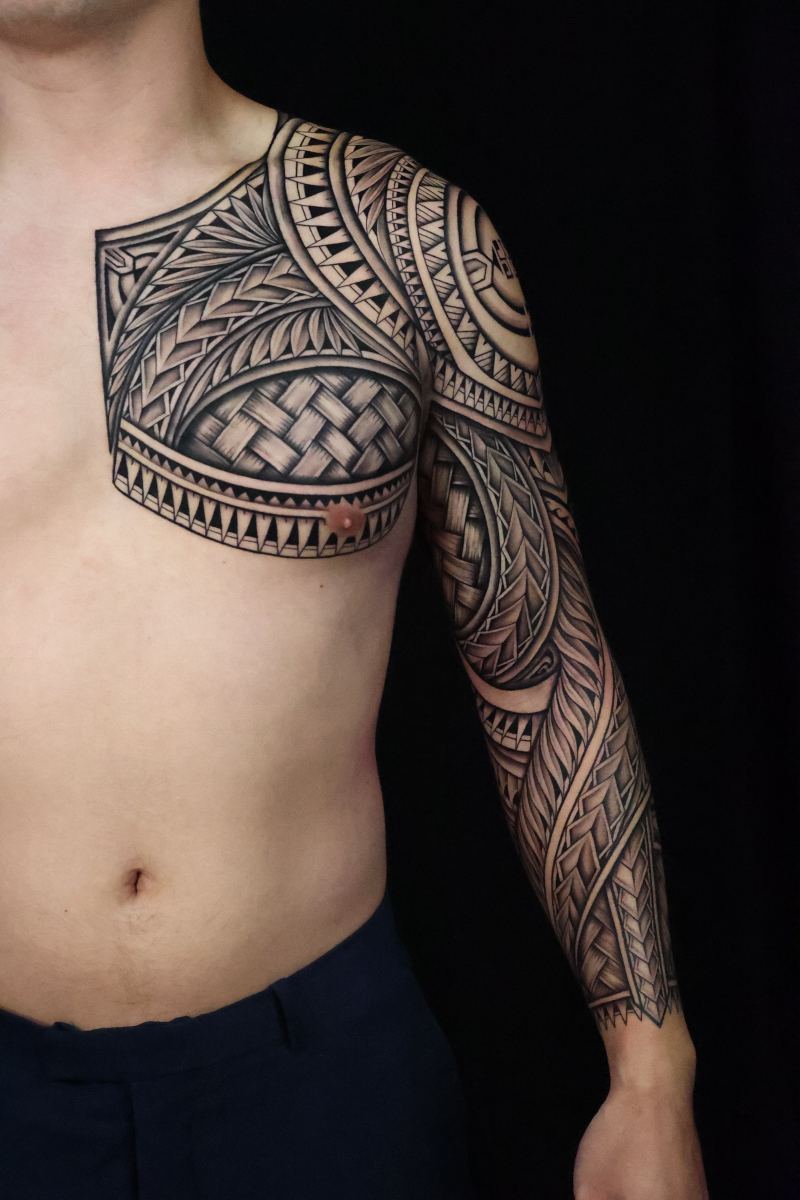
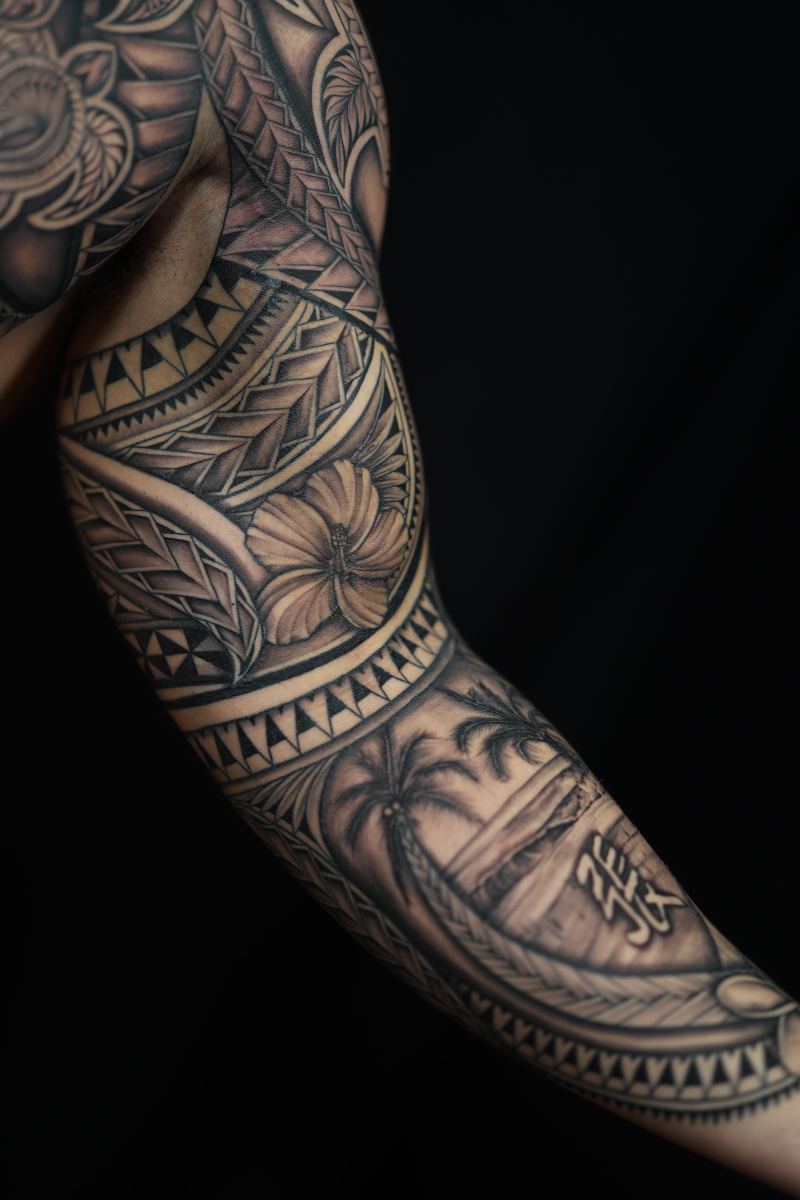
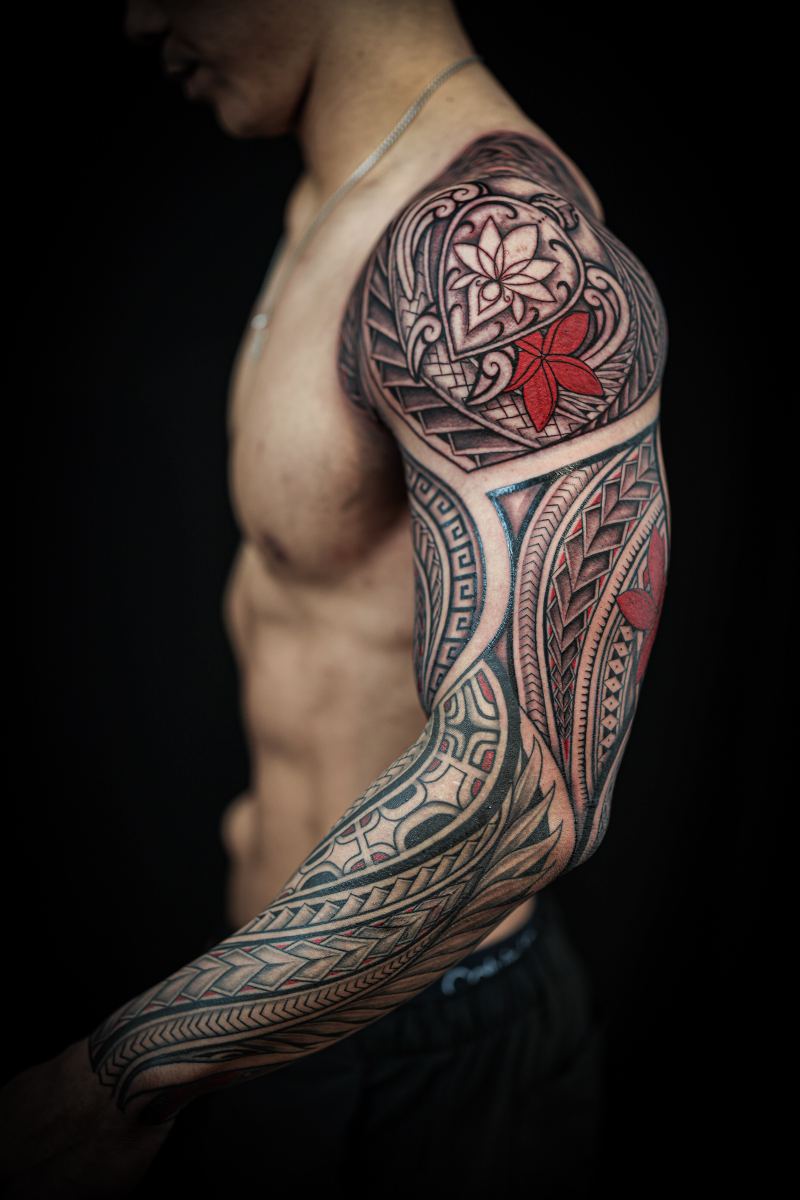
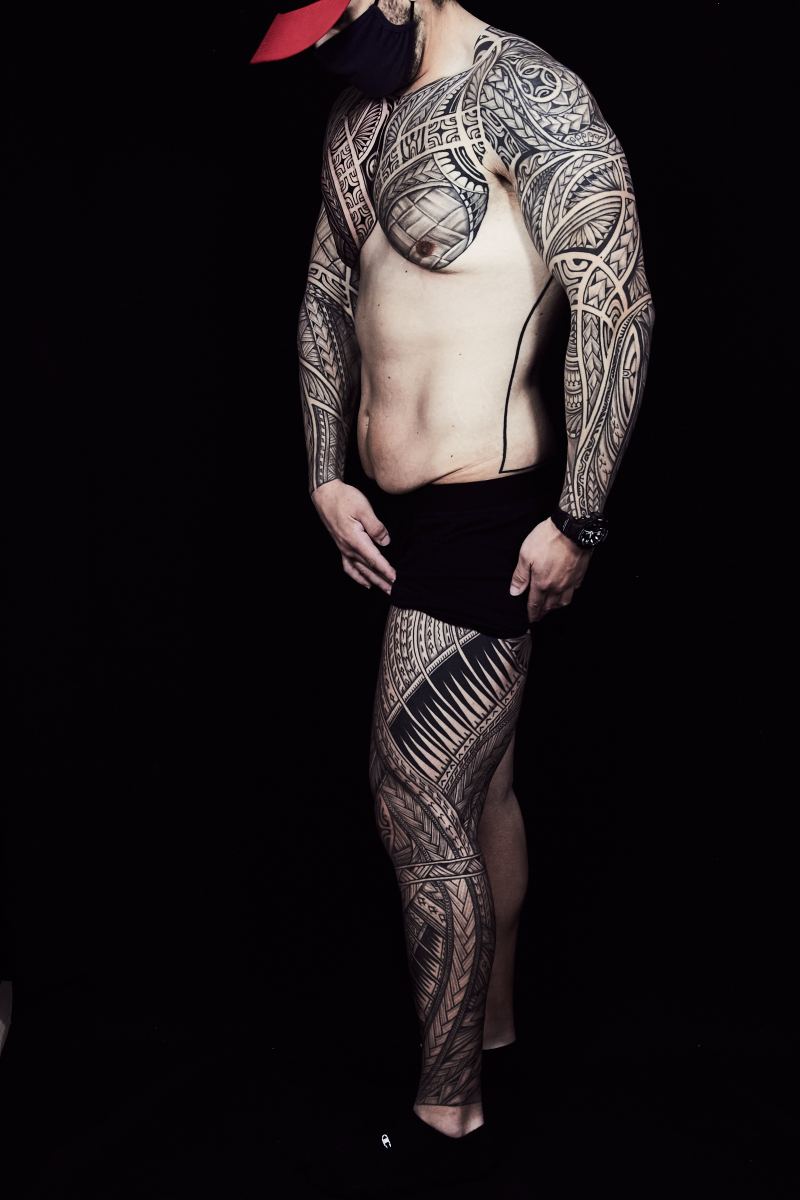
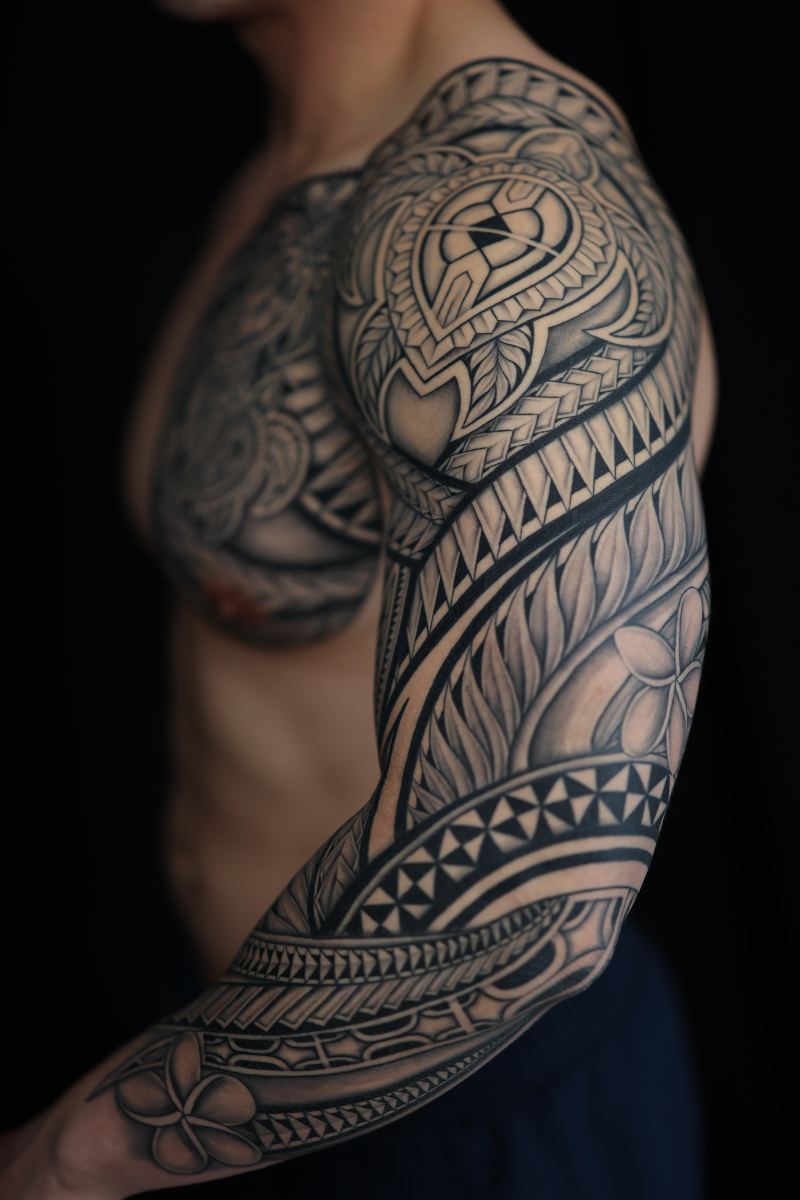
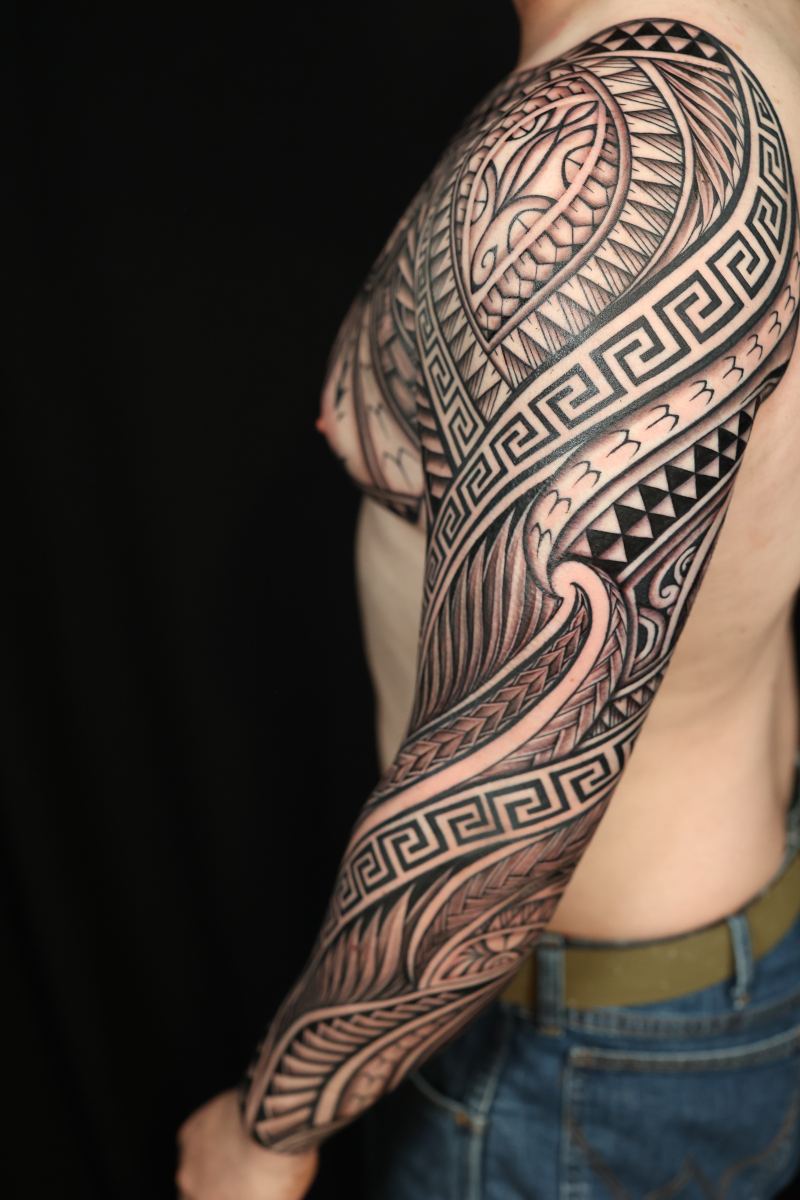
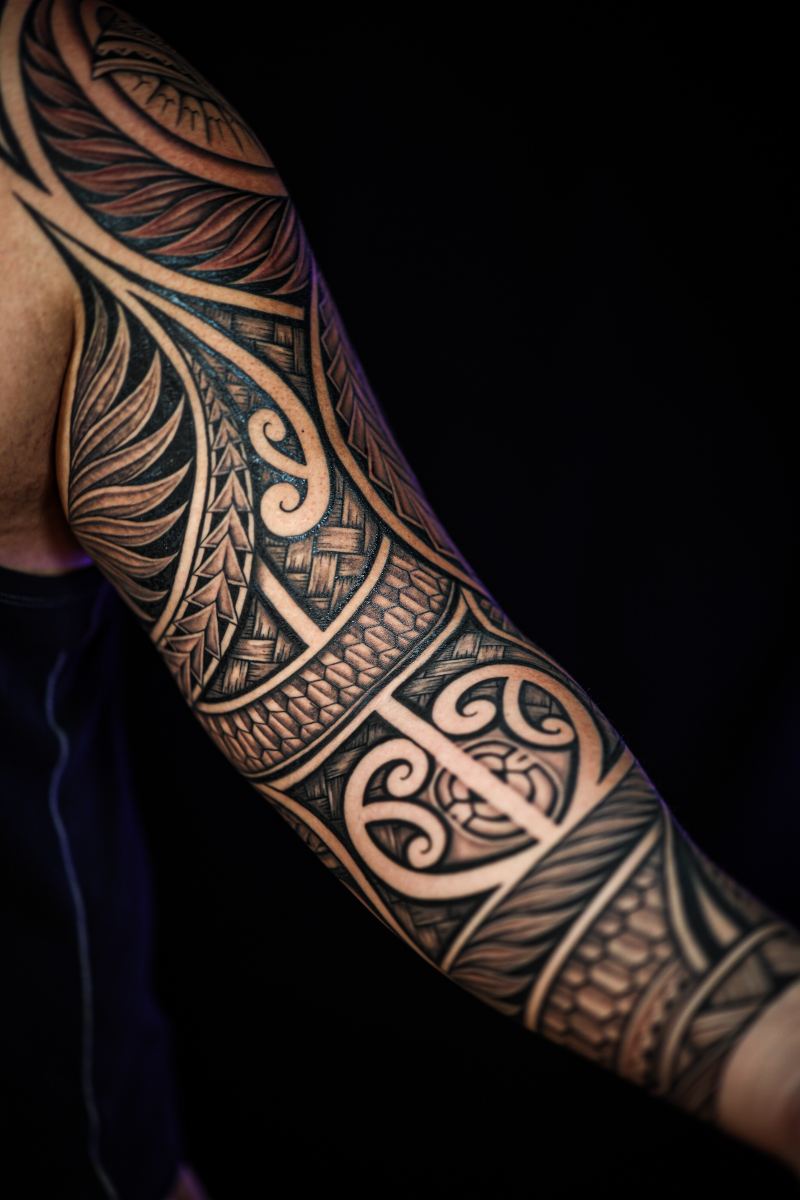
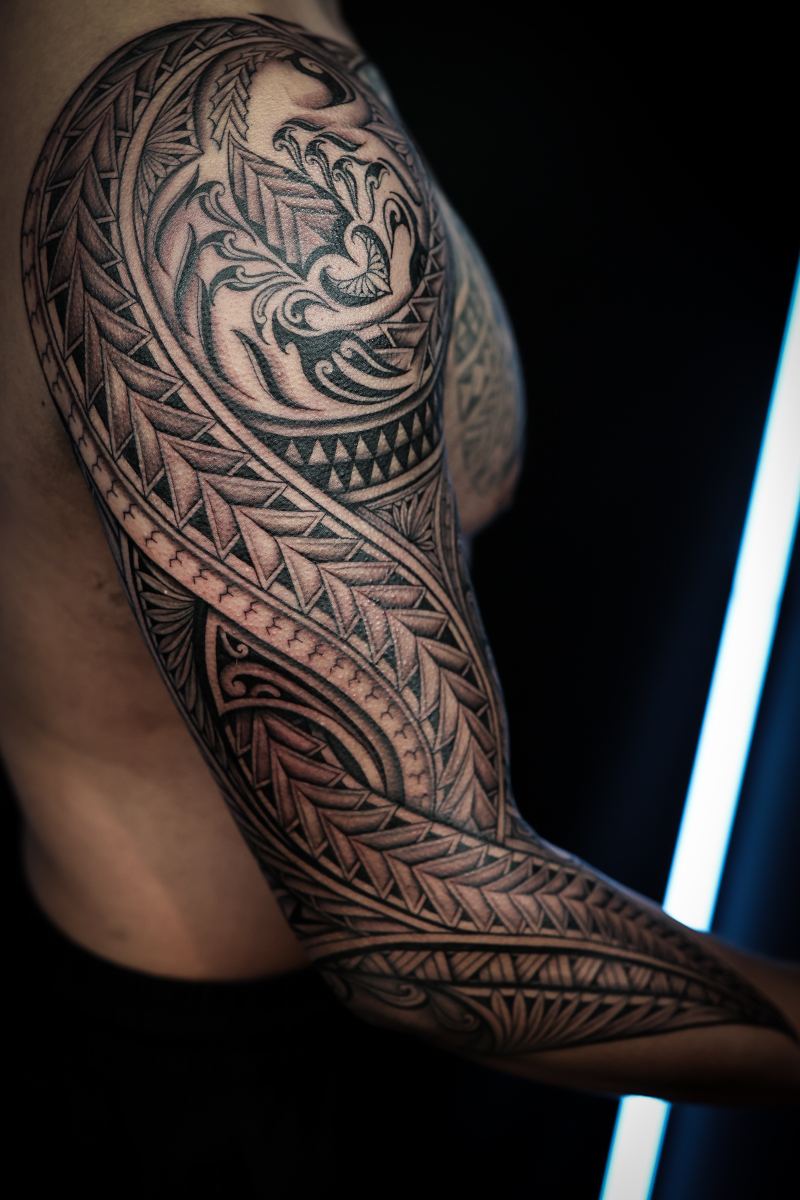
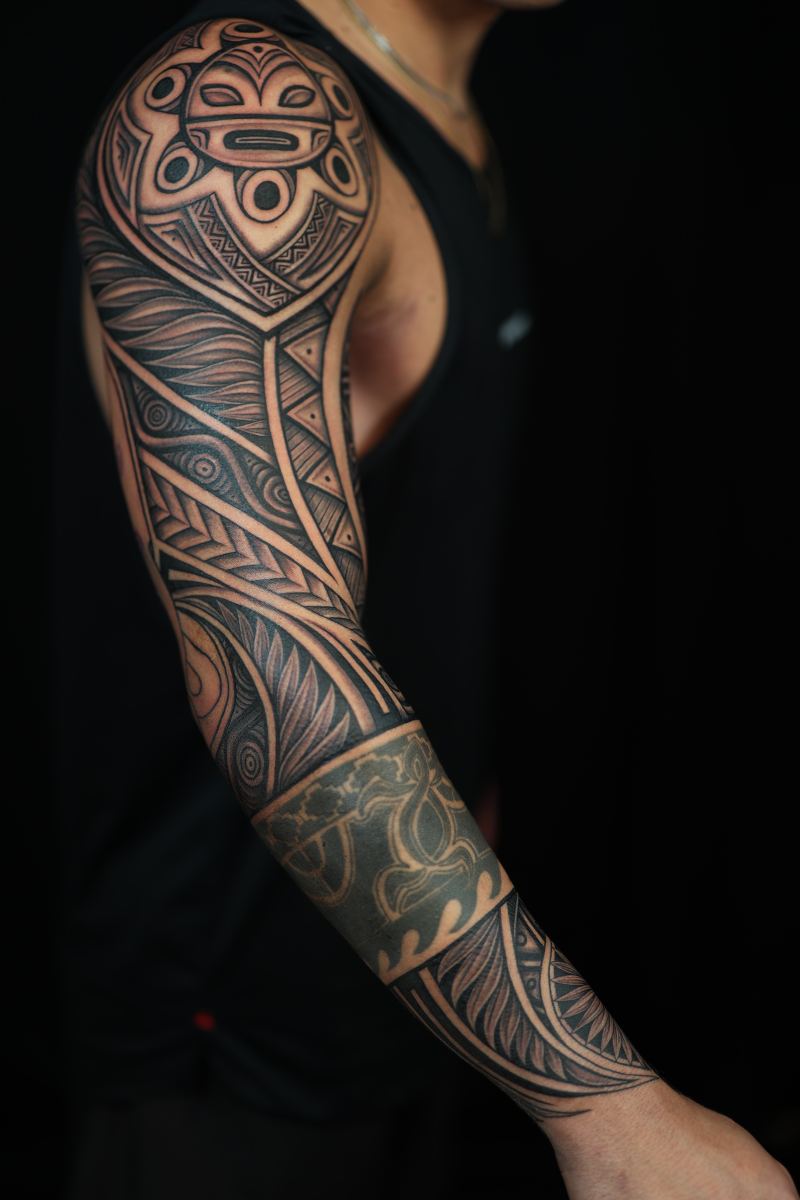
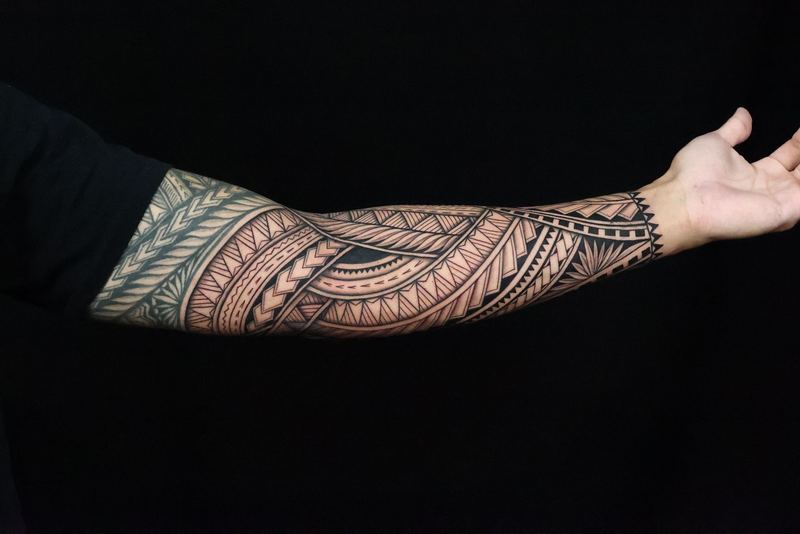
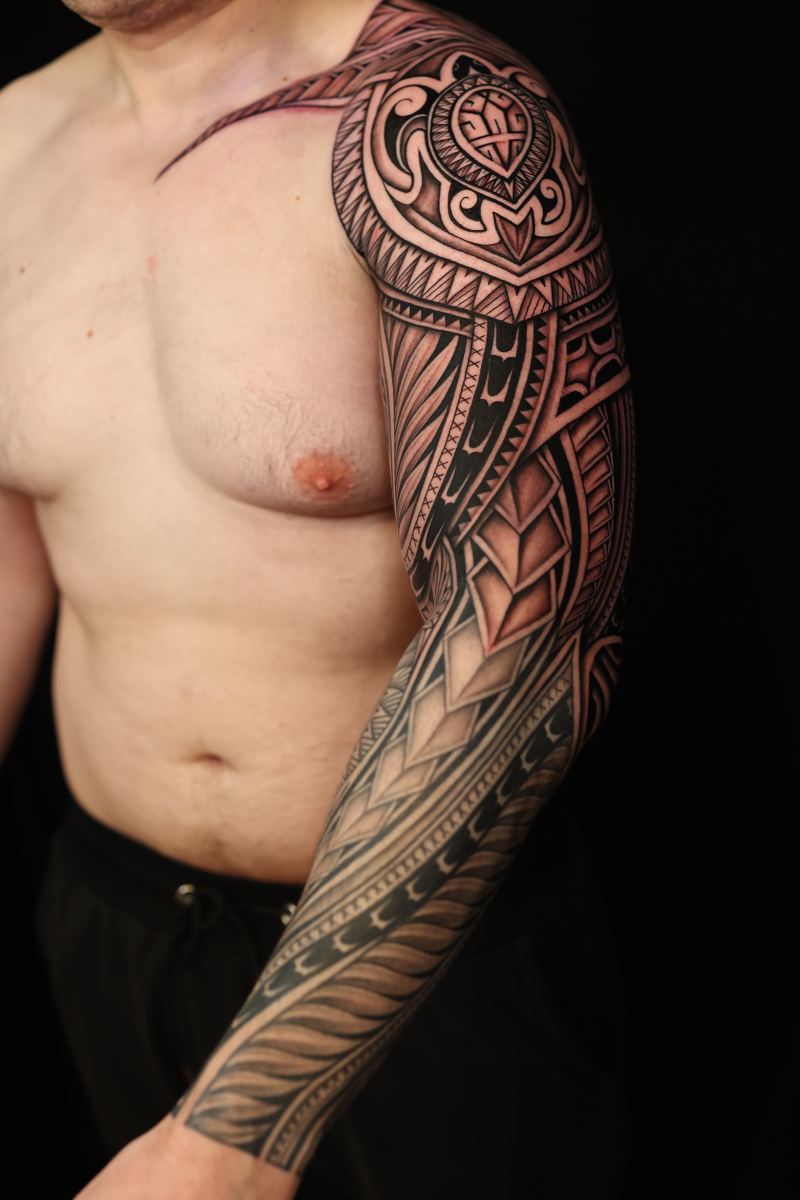
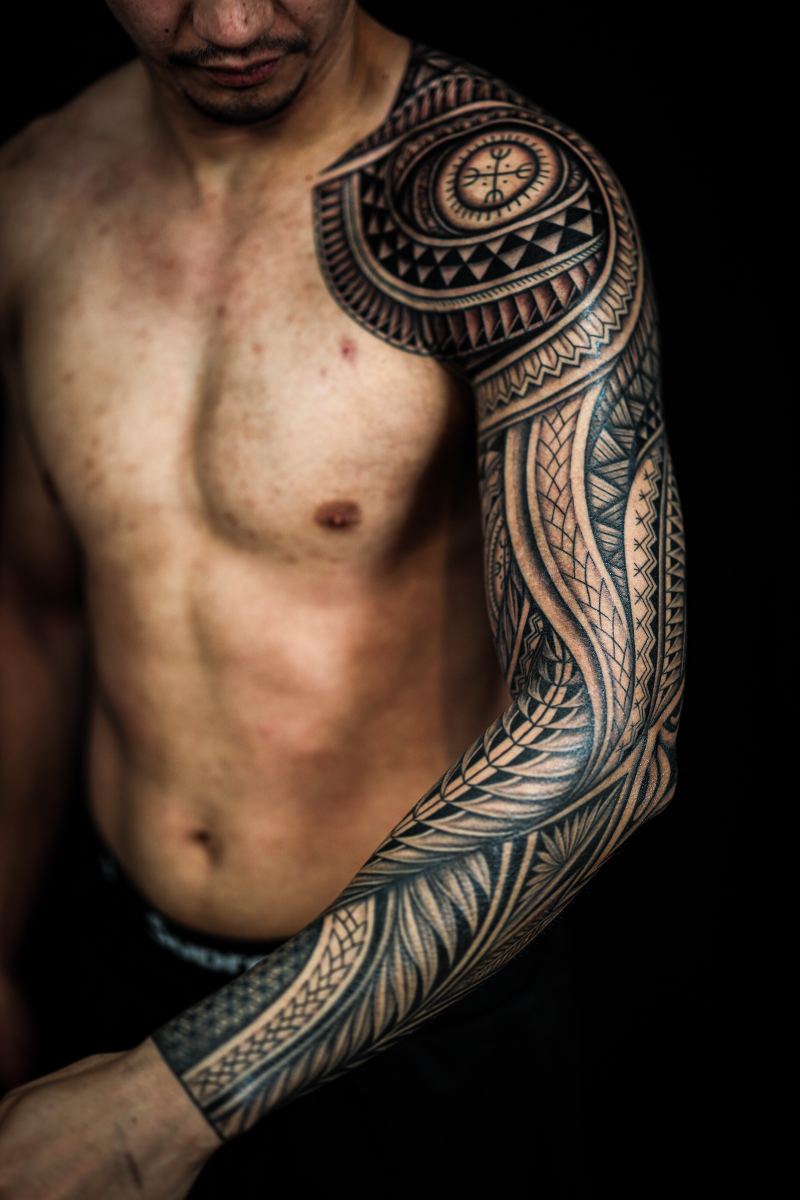
Nothing in this gallery started as a stencil or a flash sheet. Each composition was drawn directly onto the client's skin, mapped to their muscle structure, bone lines, and the way the body moves. That is why two sleeves built from the same motif family never look the same — the layout is decided by the person wearing it, not by a template.
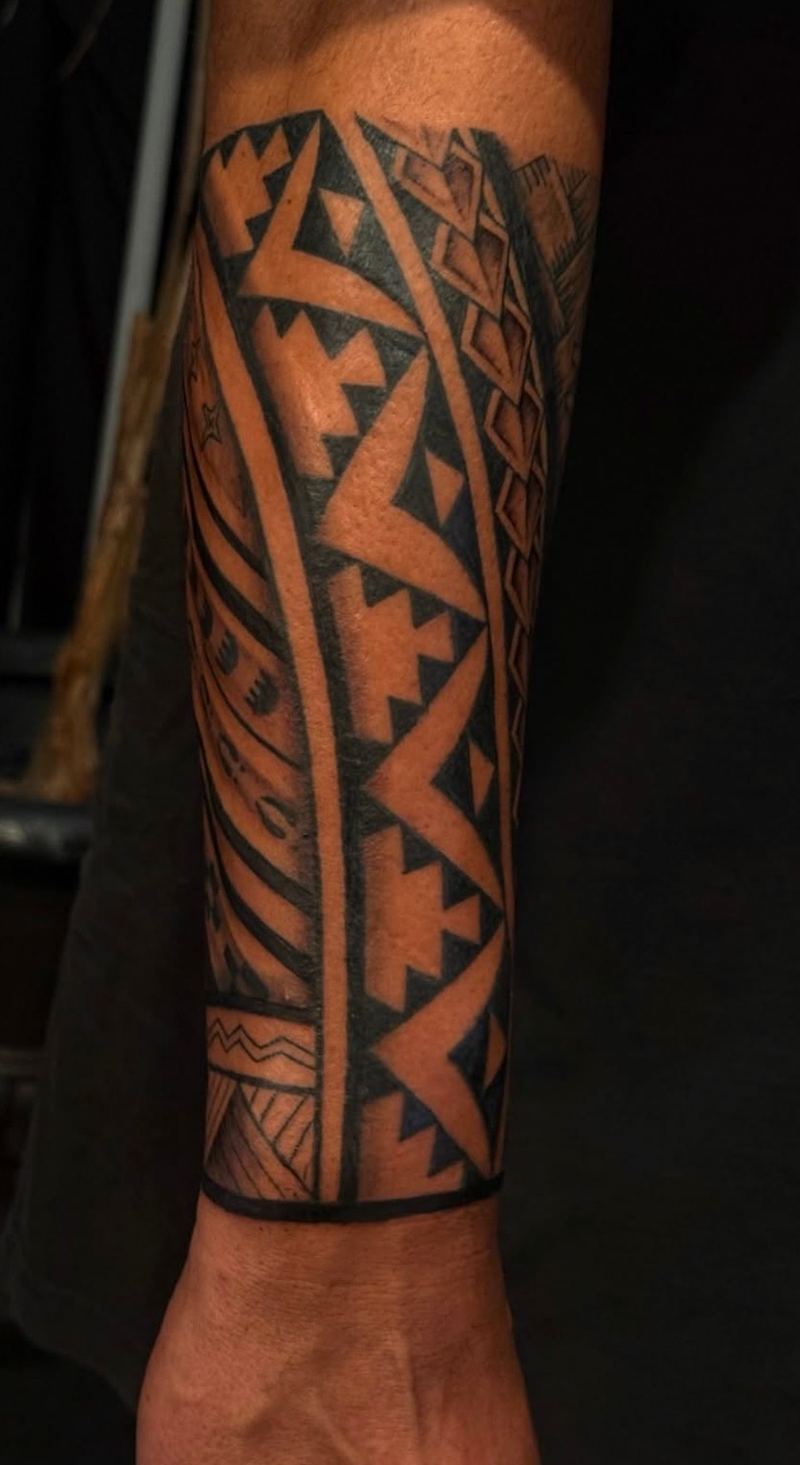
The work spans the Pacific traditions our team studies: Samoan tatau, Hawaiian kākau, Marquesan geometry, and Māori-influenced design. Browse by artist below, or jump to the placement tabs to see how a specific area of the body is composed.
See Our Newest Tattoo Work
Our website gallery shows selected pieces, but our latest sleeves, chest pieces, healed work, and in-progress tattoos are posted first on Instagram. Follow IslandTAT to see the newest work as it happens.
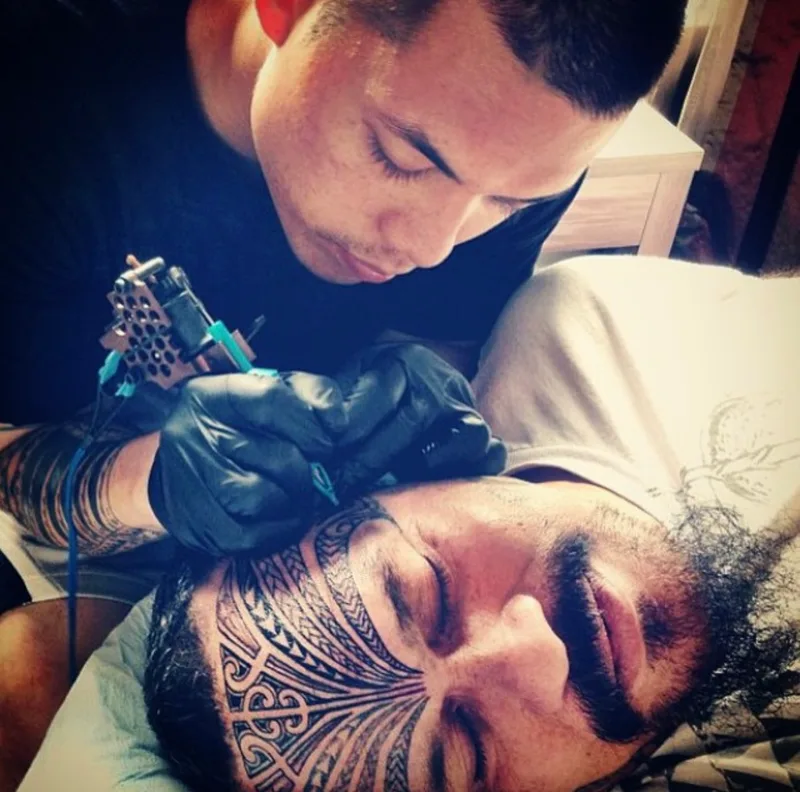
Founder of IslandTAT and the artist behind the studio's freehand method. Joshawa specializes in large-scale Polynesian compositions — full sleeves, chest panels, and back pieces built directly on the body rather than from a stencil. His work leans heavily on Samoan and Marquesan structure, with motif selection driven by the client's own lineage and story.
View Joshawa's portfolio →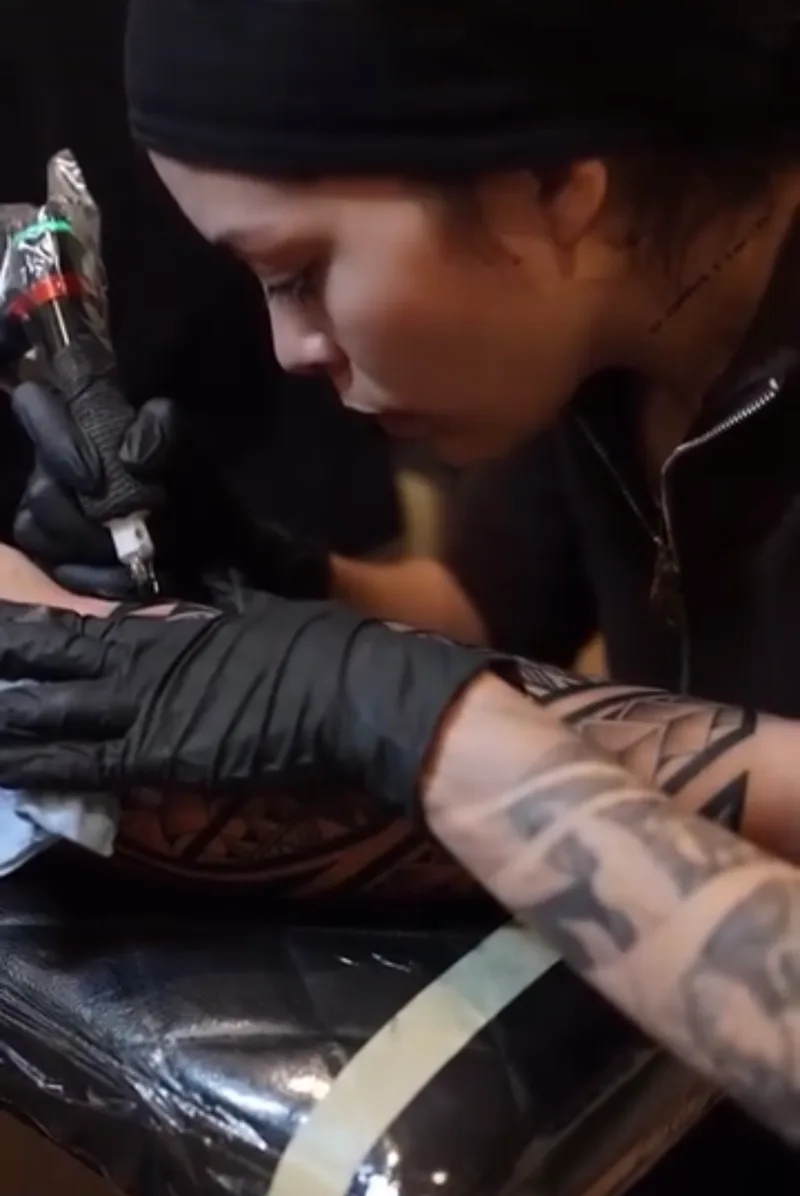
Maddy works across Polynesian tribal and cover-up work, and is known for translating family background into a composition that reads clearly on skin. Clients regularly come to her for half sleeves, leg panels, and reworking older tattoos into a single cohesive piece with proper flow.
View Maddy's portfolio →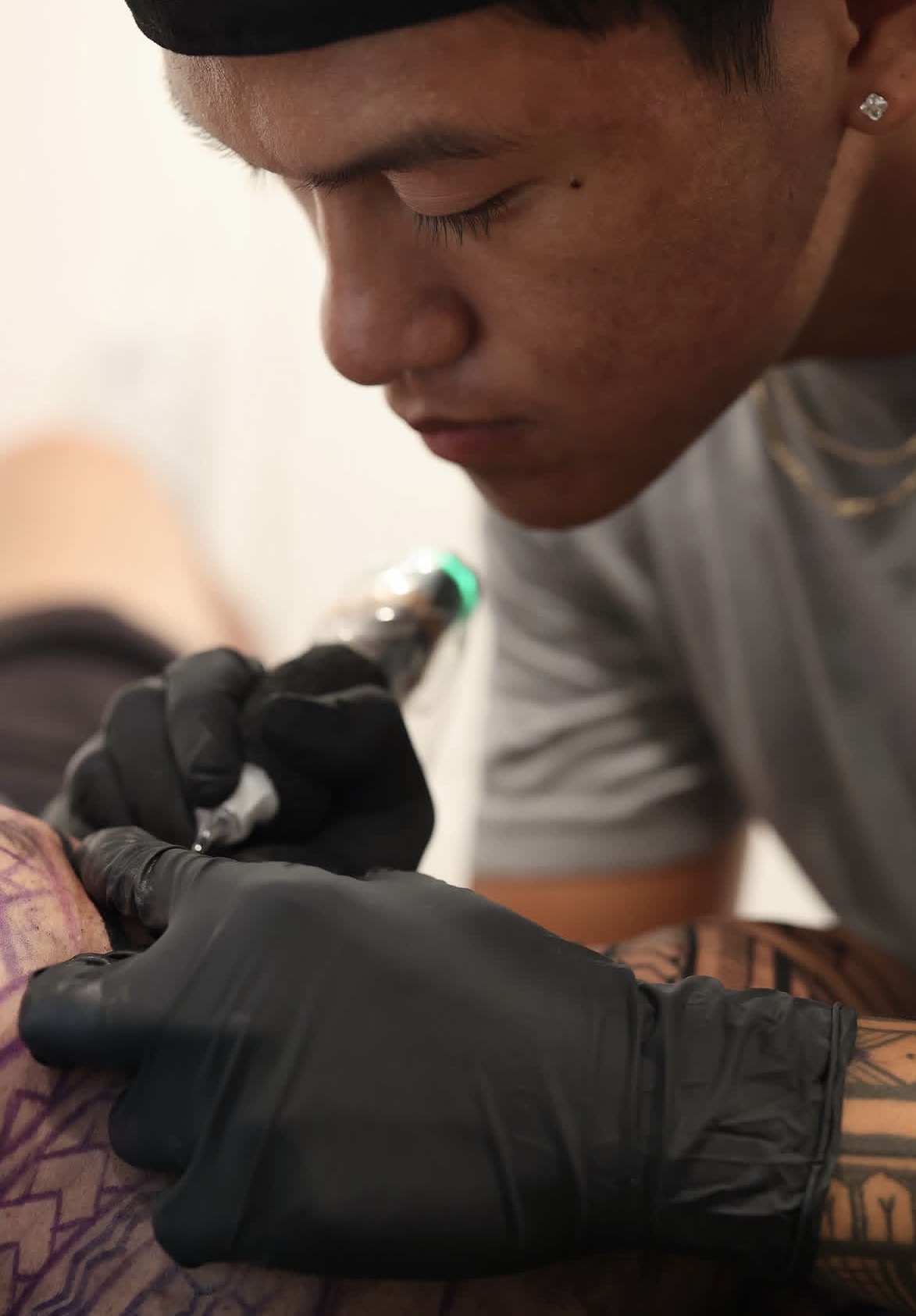
Tanner is training under the IslandTAT method and takes on smaller tribal pieces, bands, and panels — the kind of work that builds toward a larger composition later. Clients consistently note the time and care he puts into each piece.
View Tanner's portfolio →Browse by Placement
Explore Polynesian tattoo work across the team — sleeves, legs, forearms, calves, and more.
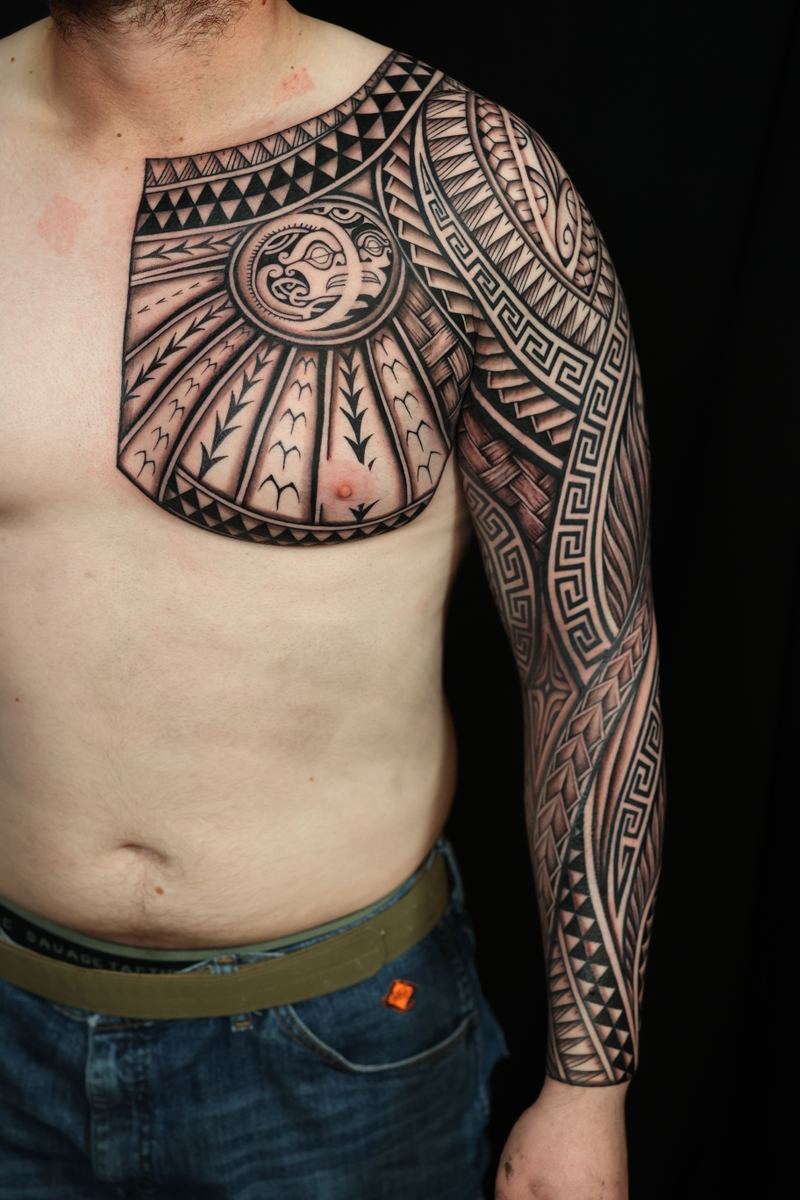
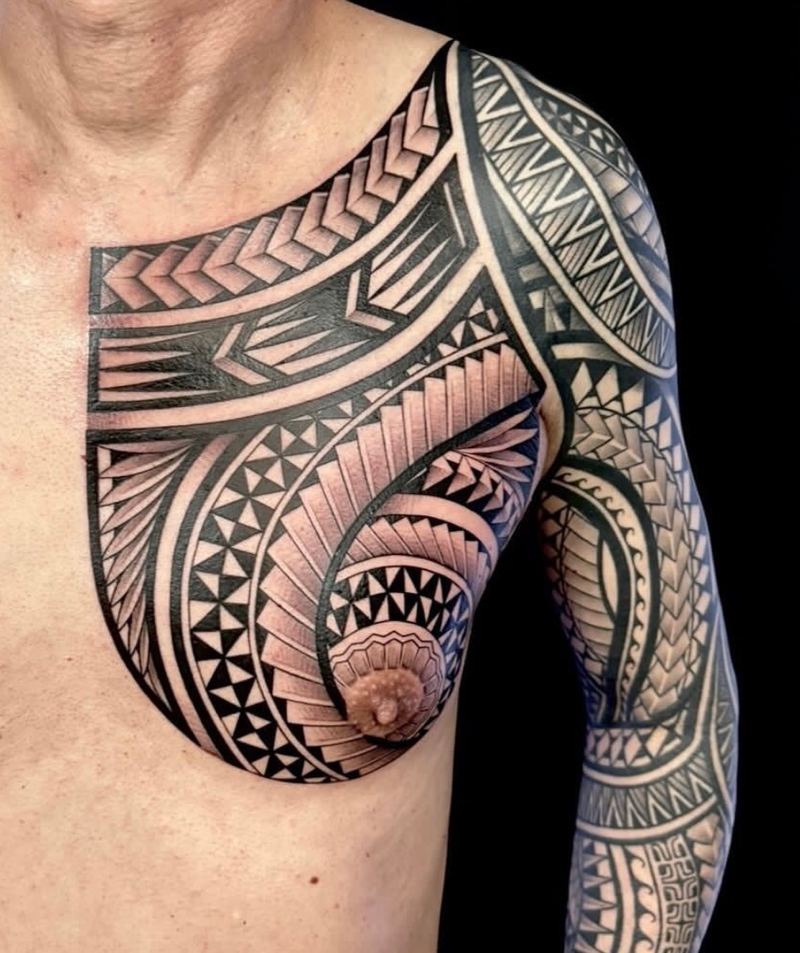
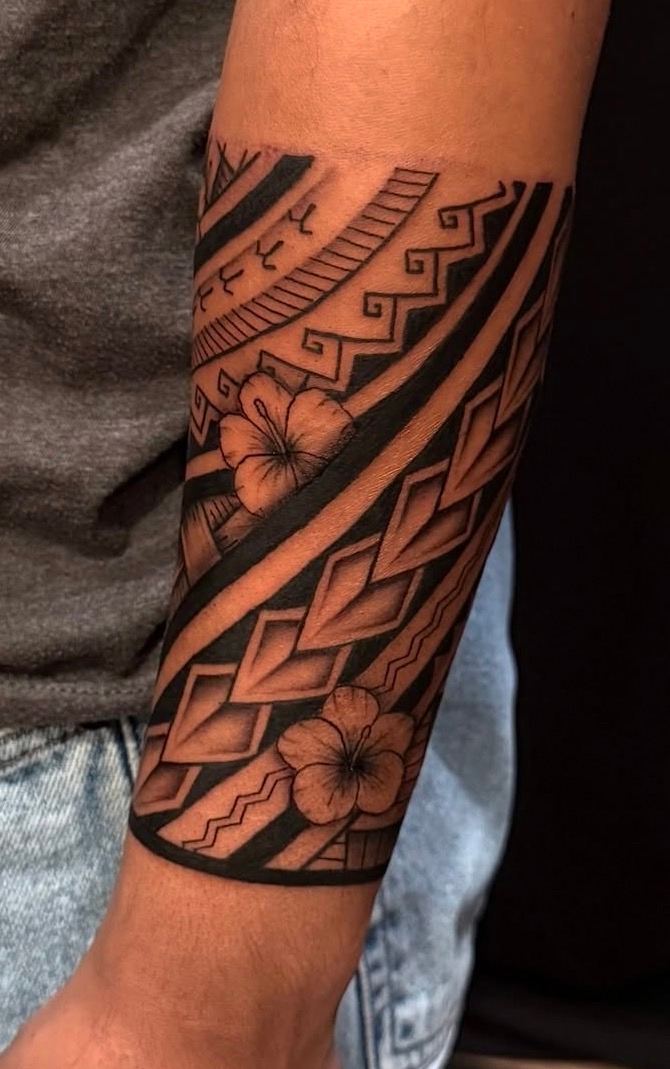
Placement is not a style choice in Polynesian tattooing; it carries meaning. Arm sleeves traditionally speak to strength, work, and what a person carries. Chest panels sit over the heart and hold family, lineage, and protection. Leg and calf compositions relate to the path travelled and the ground a person stands on. Use the tabs below to see how each area is composed — arm sleeves and half sleeves, leg sleeves and calves, forearms, shoulders, chest, and back work — then read more in our placement and body zones guide.
Healed Work
A fresh tattoo is the beginning, not the final test. Healed photographs show line spacing, saturation, and readability as a piece actually ages.
Joshawa
Maddy
Tanner
Joshawa
Maddy
Tanner
Joshawa
Maddy
Tanner
Joshawa
Maddy
Tanner
Joshawa
Maddy
Tanner
Joshawa
Maddy
Tanner
Joshawa
Maddy
Tanner
Joshawa
Maddy
Tanner
Joshawa
Maddy
Tanner
Joshawa
Maddy
Tanner
Joshawa
Maddy
Tanner
Joshawa
Maddy
Tanner
Joshawa
Maddy
Tanner
Joshawa
Maddy
Tanner
Joshawa
Maddy
Tanner
Joshawa
Maddy
Tanner
Joshawa
Maddy
Tanner
Joshawa
Maddy
Tanner
Joshawa
Maddy
Tanner
Joshawa
Maddy
Tanner
Joshawa
Maddy
Tanner
Joshawa
Maddy
Joshawa
Maddy
Joshawa
Maddy
Joshawa
Joshawa
Joshawa
Joshawa
Joshawa
Joshawa
Joshawa
Joshawa
Joshawa
Joshawa
Joshawa
Joshawa
Joshawa
Joshawa
Joshawa
Joshawa
Joshawa
Joshawa
Joshawa
Joshawa
Joshawa
Joshawa
Joshawa
Joshawa
Joshawa
Joshawa
Joshawa
Joshawa
Joshawa
Joshawa
Joshawa
Joshawa
Joshawa
Joshawa
Joshawa
Joshawa
Joshawa
Joshawa
Joshawa
Joshawa
Joshawa
Joshawa
Joshawa
Joshawa
Joshawa
Joshawa
Joshawa
Joshawa
Joshawa
Joshawa
Joshawa
Joshawa
Joshawa
Joshawa
Joshawa
Joshawa
Joshawa
Joshawa
Joshawa
Joshawa
Joshawa
Joshawa
Joshawa
Joshawa
Joshawa
How to Read This Gallery
A Polynesian tattoo is not a collection of individual symbols placed side by side. It is a single composition, built in layers, and it reads differently depending on where you stand. When you look through the work below, three things are worth paying attention to.
Flow
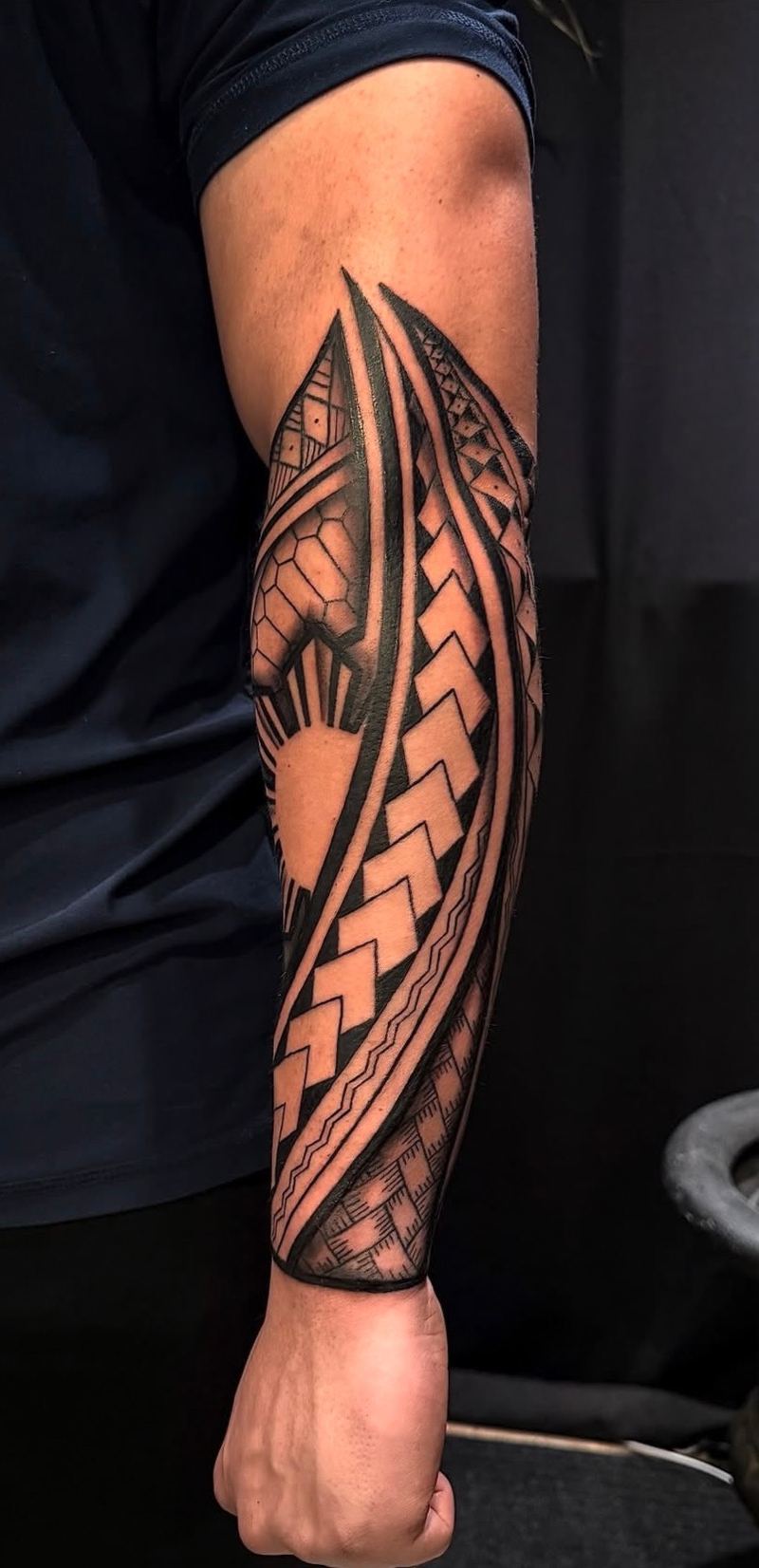
Every band, sweep, and break follows the body underneath it. Lines wrap the deltoid, taper into the elbow, and open again across the forearm so the piece stays readable whether the arm is at rest or in motion. This is the reason our artists draw freehand: a flat stencil cannot account for how a shoulder actually turns.
Structure
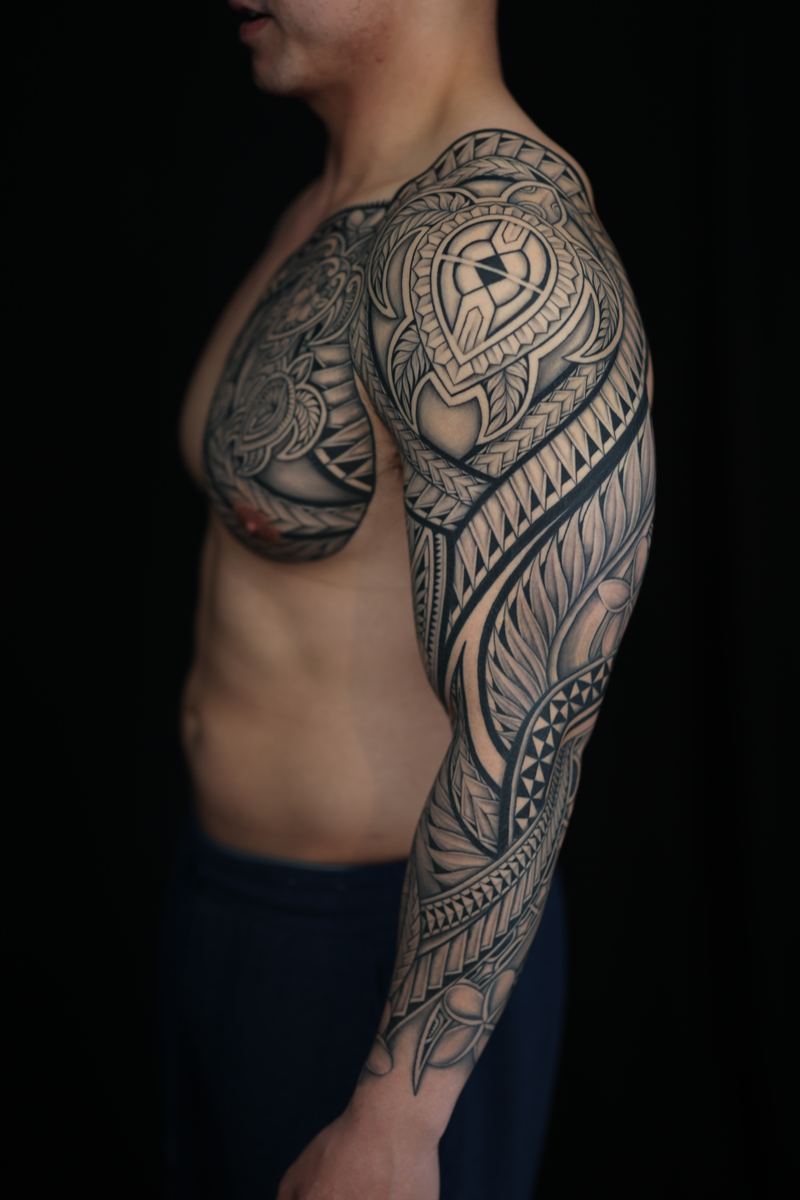
Larger pieces are divided into zones, each carrying its own block of motifs and separated by negative space. That spacing is deliberate — it lets the eye rest, keeps the design legible as it ages, and gives the piece room to be extended in a later session without crowding what is already there.
Meaning
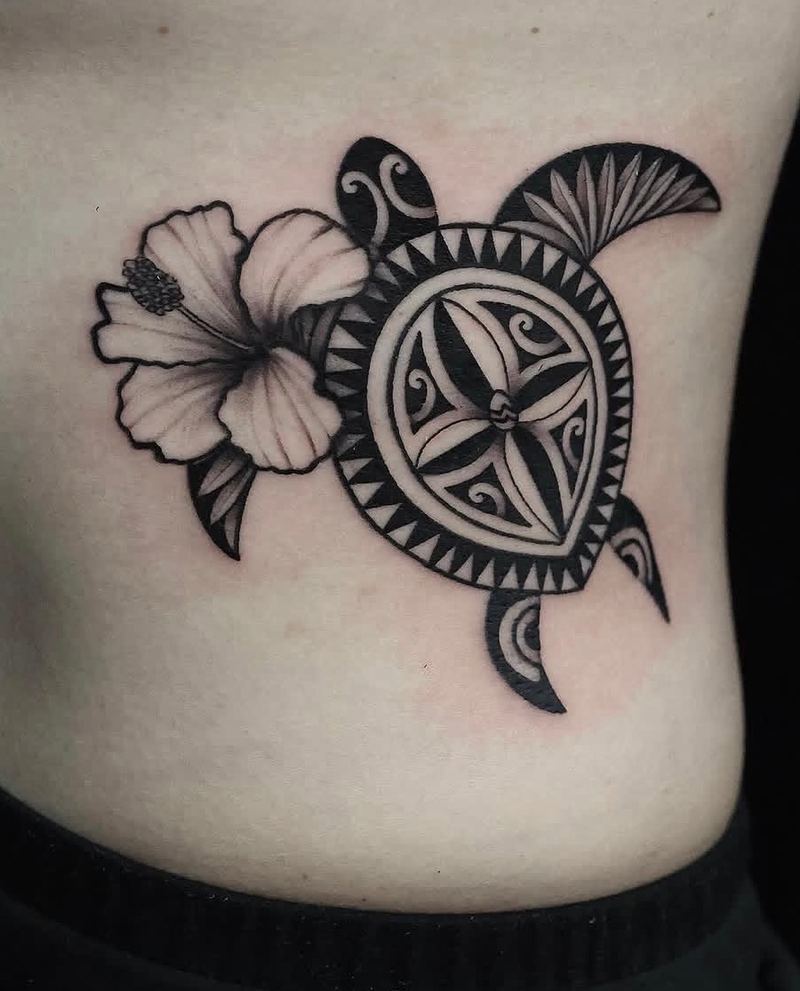
Motifs are chosen for the person, not for the pattern. Shark teeth, ocean waves, spearheads, turtles, and enata figures each carry established associations across Pacific traditions, and they are placed where those associations make sense on the body. Our meaning guide and motif glossary break down what each element carries.
Most large pieces here were built across several sessions rather than a single sitting. A full sleeve typically runs multiple full days spread over weeks or months, with healing time between sessions. If you are planning your own project, the IslandTAT method page walks through how a composition is planned from the first consultation onward.